
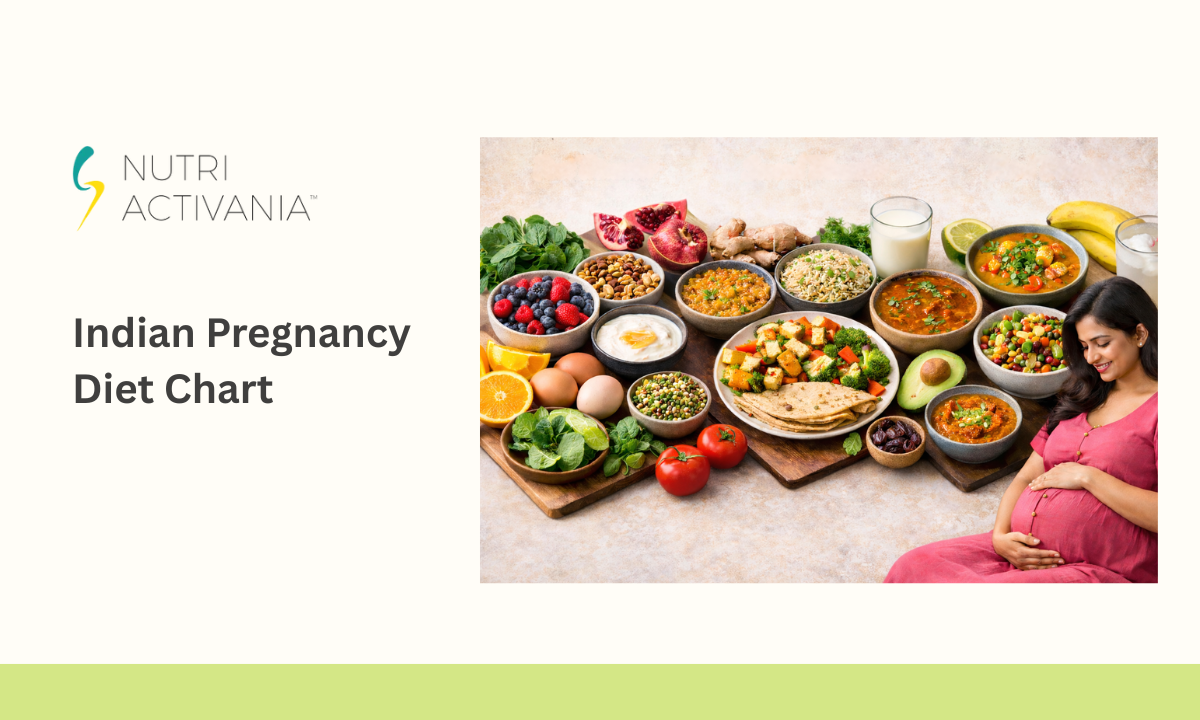
Indian Pregnancy Diet Chart is a beautiful journey—but when it comes to food, it can feel overwhelming.
Everyone has advice. Google has thousands of answers. And suddenly, even ordinary home cooking feels confusing.
At Nutri Activania, we believe pregnancy nutrition should feel reassuring, not stressful.
This blog is written to answer exactly what Indian women search for:
- What should I eat during pregnancy?
- Is Indian food enough for pregnancy nutrition?
- Can I follow a proper Indian diet chart during pregnancy?
The answer is yes—Indian food is more than enough when planned the right way.
Why an Indian Pregnancy Diet chart Works Best
You don’t need fancy superfoods or imported supplements.
A balanced Indian pregnancy diet provides:
- Natural iron, calcium, folate & protein
- Better digestion through cooked, home food
- Cultural comfort and easy availability
- Safer nutrition compared to packaged foods
That’s why most experts recommend traditional Indian meals, customized to trimester needs.
Indian Pregnancy Diet Chart (Trimester-Wise)
Every trimester has different requirements. Let’s simplify it
First Trimester Diet (0–3 Months)
First trimester diet phase focuses on managing nausea, fatigue, and nutrient absorption.
What to focus on
- Light, easy-to-digest foods
- Folate & iron
- Hydration and small frequent meals
Sample Indian Diet Chart – First Trimester
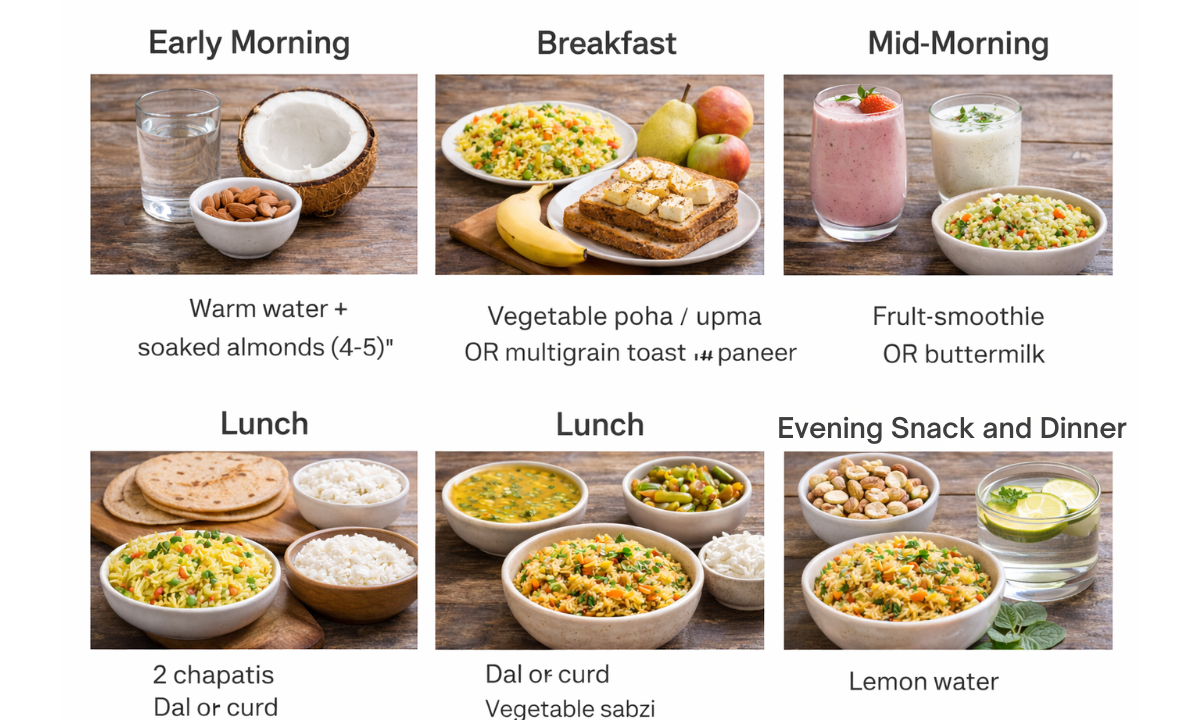
Early Morning
- Warm water + soaked almonds (4–5)
- OR coconut water
Breakfast
- Vegetable poha / upma
- OR multigrain toast with paneer
- 1 fruit (banana / apple / pear)
Mid-Morning
- Fruit smoothie or buttermilk
Lunch
- 2 chapatis
- Dal or curd
- Vegetable sabzi (lauki, tori, carrot)
- Small portion of rice (optional)
Evening Snack
- Roasted makhana / chana
- Lemon water
Dinner
- Khichdi / curd rice / veg pulao
- Mild spices only
Tip: If nausea is severe, eat every 2–3 hours in small portions.
Second Trimester Diet (4–6 Months)
This is the baby’s growth phase.
What to focus on
- Protein for growth
- Calcium for bones
- Steady and healthy weight gain
Sample Indian Diet Chart – Second Trimester
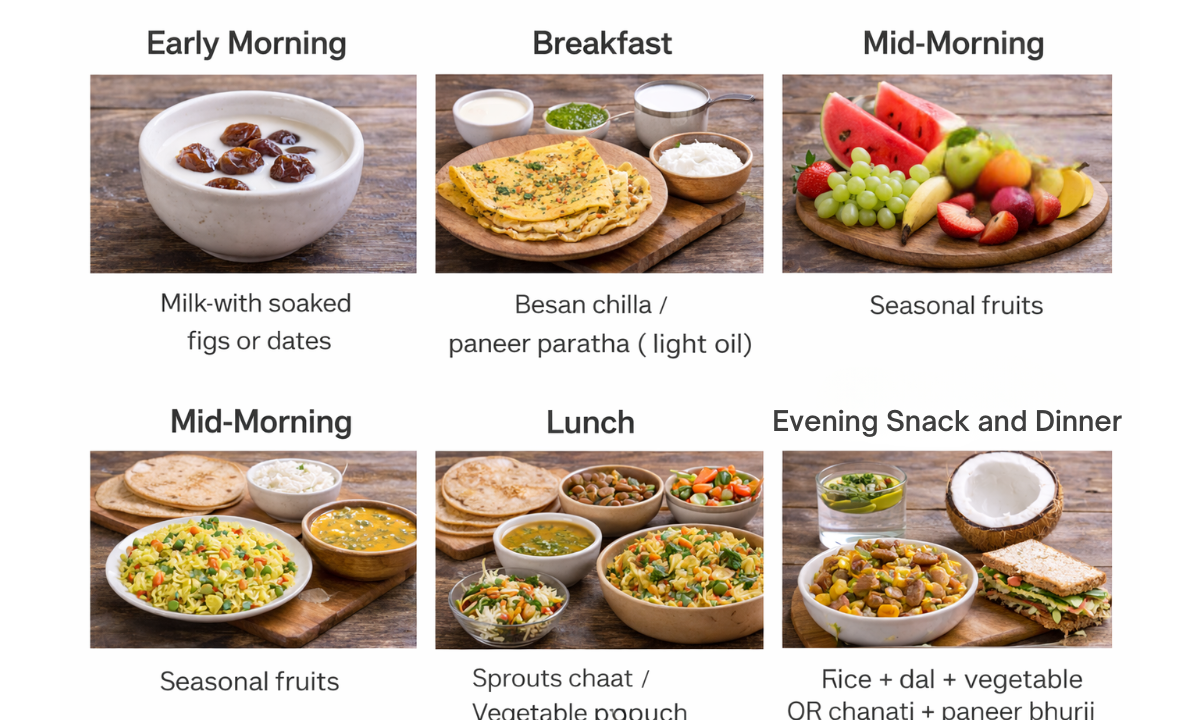
Early Morning
- Milk with soaked figs or dates
Breakfast
- Besan chilla / paneer paratha (light oil)
- Curd or chutney
Mid-Morning
- Seasonal fruits
Lunch
- 2–3 chapatis
- Dal / rajma / chole
- Green vegetable sabzi
- Fresh salad
Evening Snack
- Sprouts chaat / vegetable sandwich
- Coconut water
Dinner
- Rice + dal + vegetable
- chapati + paneer bhurji
Tip: This trimester is ideal for improving hemoglobin naturally.
Third Trimester Diet (7–9 Months)
Now the body prepares for delivery and breastfeeding.
What to focus on
- Iron & energy
- Reducing acidity and swelling
- Preventing constipation
Sample Indian Diet Chart – Third Trimester
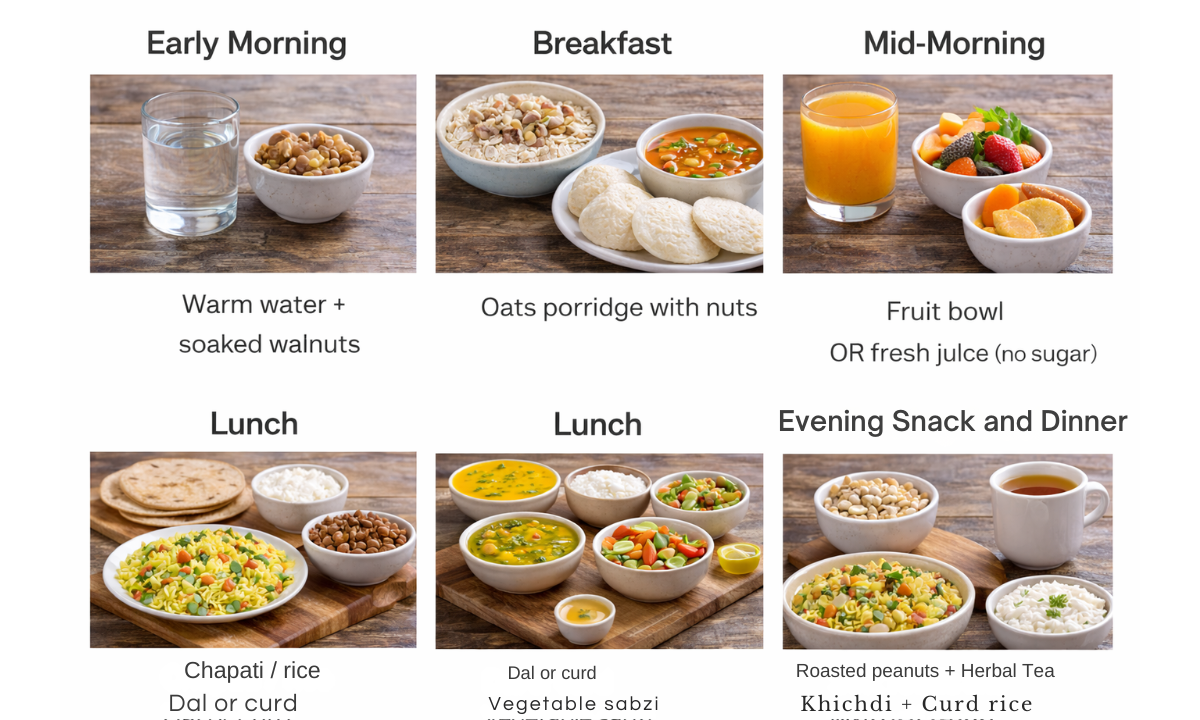
Early Morning
- Warm water + soaked walnuts
Breakfast
- Oats porridge with nuts
- Idlis with sambhar
Mid-Morning
- Fruit bowl OR fresh juice (no sugar)
Lunch
- Chapati / rice
- Dal or curd
- Vegetable sabzi
- Small amount of homemade ghee
Evening Snack
- Roasted peanuts / murmura mix
- Herbal tea
Dinner
- Soft foods like khichdi, soup, curd rice
Tip: Early dinners and short walks help reduce discomfort.
Foods to Include Daily During Pregnancy
These Indian foods support a healthy pregnancy naturally:
- Milk & curd – calcium
- Dal, paneer, sprouts – protein
- Green vegetables – iron & folate
- Fruits – fiber & vitamins
- Nuts & seeds – healthy fats
- Homemade ghee – digestion (in moderation)
Foods to Limit or Avoid
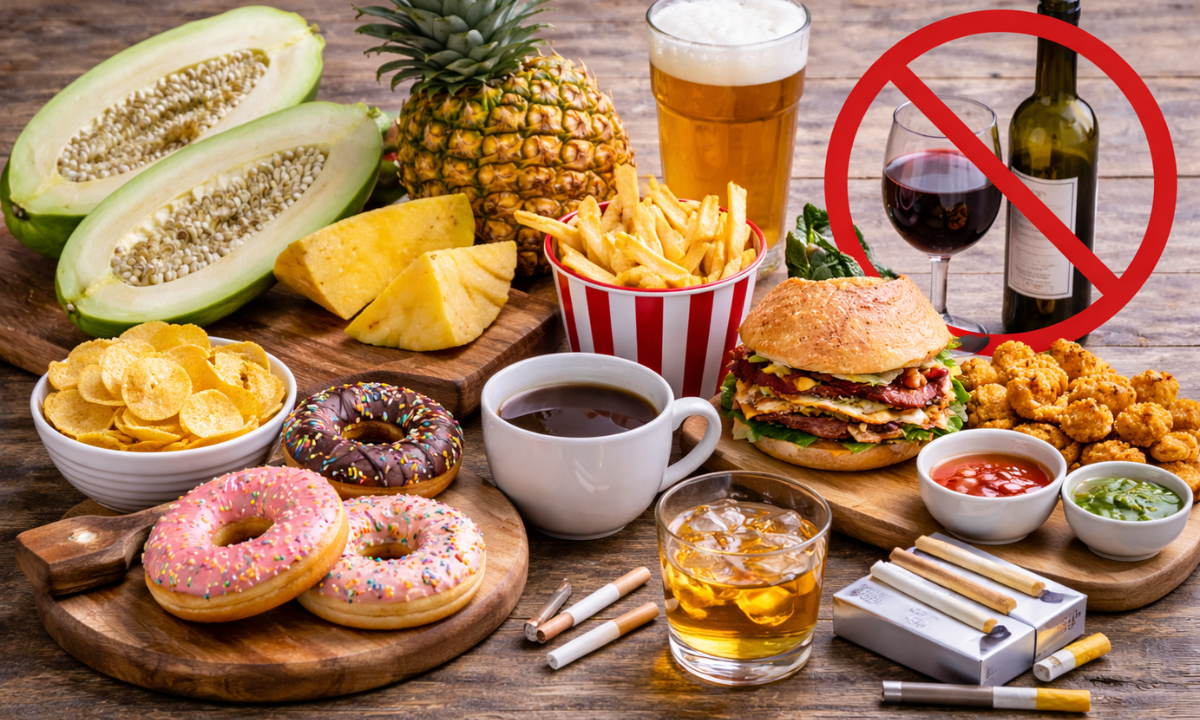
- Raw papaya & excess pineapple
- Packaged snacks & bakery items
- Excess tea or coffee
- Street food & unhygienic food
- Alcohol & smoking (strict no)
Common Pregnancy Diet Myths (Busted)
Myth: Indian food is not enough during pregnancy
Truth: Balanced Indian meals provide complete nutrition.
Myth: Eating more means a healthier baby
Truth: Quality matters more than quantity.
Myth: Weight gain should be minimal
Truth: Healthy weight gain supports baby development.
Need a Personalized Pregnancy Diet Plan?
Every pregnancy is different. Factors like:
- Pre-pregnancy weight
- PCOS, thyroid, anemia
- Gestational diabetes
- Work routine & food preferences
—all matter.
If you want expert guidance, consult a pregnancy dietitian & nutritionist in Delhi at Nutri Activania for a custom Indian pregnancy diet plan designed for you and your baby.
Frequently Asked Questions (FAQ)
What is the best Indian diet chart during pregnancy?
The best Indian pregnancy diet includes home-cooked meals with dal, chapati, rice, vegetables, fruits, milk, curd, nuts, and adequate protein, planned trimester-wise.
Is Indian food sufficient for pregnancy nutrition?
Yes. Traditional Indian foods provide essential nutrients like iron, calcium, protein, and folate when properly balanced.
What should I avoid eating during pregnancy in India?
Avoid raw papaya, excess pineapple, packaged foods, bakery items, street food, alcohol, and excessive tea or coffee.
How much weight should I gain during pregnancy?
Healthy weight gain depends on pre-pregnancy weight, but most Indian women gain around 10–12 kg under proper guidance.
Do I need a dietitian during pregnancy?
Yes. A pregnancy dietitian helps create a personalized plan based on trimester, medical history, and lifestyle.
Final Words
Pregnancy nutrition is not about restriction.
It’s about eating right, feeling confident, and nourishing your baby—one meal at a time.
For expert support, science-backed plans, and compassionate care, Nutri Activania is here for you.
A healthy mother builds a healthy future.