
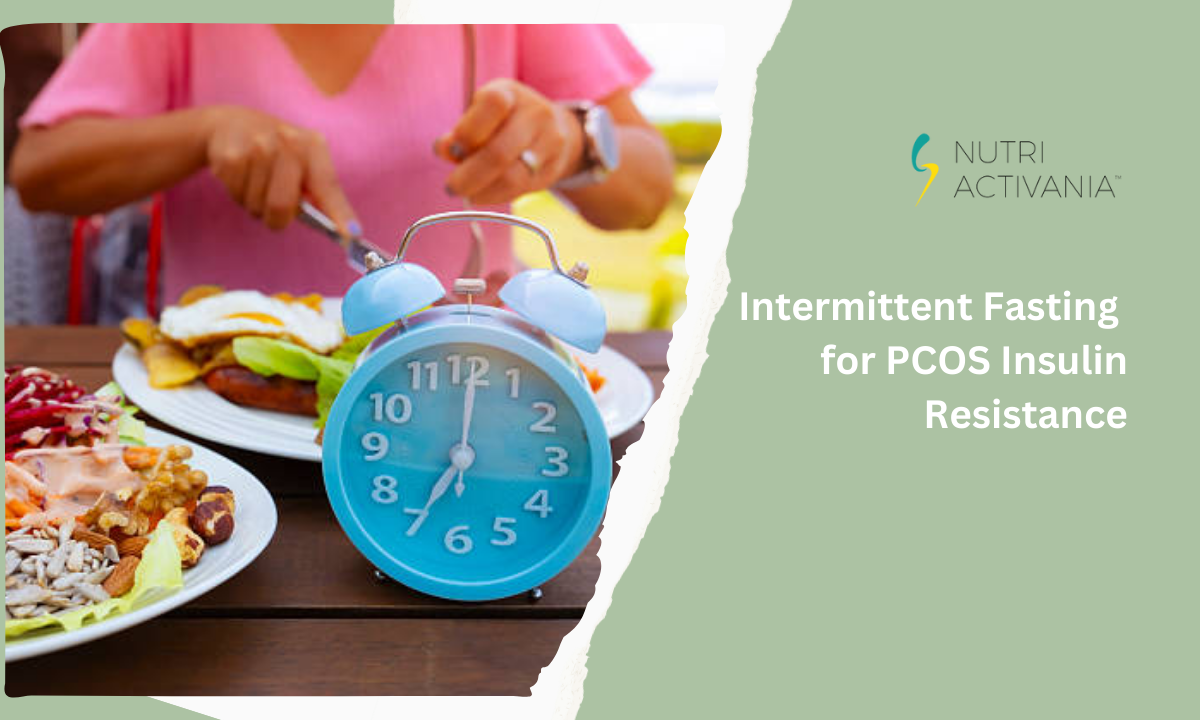
Polycystic Ovary Syndrome (PCOS) is fundamentally linked to insulin resistance, where cells struggle to effectively use insulin, leading to high blood sugar and increased androgen production.
Managing this insulin imbalance is the cornerstone of PCOS treatment. Many women turn to Intermittent Fasting (IF), an eating pattern that cycles between periods of eating and voluntary fasting, as a potential solution.
If you are exploring new dietary approaches, a PCOS dietitian in India or a PCOS nutritionist in Delhi can provide personalized guidance. Here’s a breakdown of how Intermittent Fasting may benefit insulin resistance in PCOS.
The Theory: How IF Impacts Insulin
The primary hypothesis behind using Intermittent Fasting (IF) for PCOS lies in giving the body a prolonged “rest” from food, which directly affects insulin levels:
- Lowering Baseline Insulin: When you fast, your body isn’t constantly processing glucose, so the pancreas produces less insulin. Over time, this can lead to lower baseline insulin levels and potentially increase your cells’ sensitivity to the hormone.
- Extended Fasting Window: IF, particularly methods like the 16:8 protocol (16 hours fasting, 8 hours eating), naturally reduces the time frame in which you consume calories. This reduces the number of insulin spikes throughout the day.
- Weight Management: IF often leads to a natural reduction in overall calorie intake, contributing to weight loss. Since excess weight is highly linked to worsening insulin resistance in PCOS, weight reduction can significantly improve hormonal parameters.
Potential Benefits of IF for Women with PCOS
Current research and clinical observations suggest several ways IF might be beneficial:
- Improved Insulin Sensitivity: Studies indicate that time-restricted eating may improve the body’s response to insulin, reducing hyperinsulinemia (excessively high insulin).
- Androgen Reduction: By lowering circulating insulin levels, IF may indirectly lead to a reduction in the production of male hormones (androgens), potentially improving symptoms like acne and hirsutism.
- Gut Health: Giving the digestive system a break may positively influence the gut microbiome, which is often implicated in inflammation related to PCOS.
Cautions and Considerations for PCOS
While the concept is promising, IF is not a one-size-fits-all solution for PCOS, and there are important factors to consider:
| Consideration | Impact on PCOS |
|---|---|
| Stress and Cortisol | For some women, especially those with high stress levels, long periods of fasting can be perceived by the body as a stressor, raising the stress hormone cortisol. High cortisol can worsen insulin resistance and disrupt the menstrual cycle. |
| Nutrient Timing | The quality of food consumed during the eating window is crucial. If the 8-hour window is filled with processed foods or high-sugar items, IF will offer minimal, if any, benefit. |
| Hypoglycemia Risk | Women with PCOS and existing blood sugar issues must approach IF carefully to avoid periods of low blood sugar (hypoglycemia). |
| Eating Disorders | For those with a history of disordered eating, IF can trigger unhealthy patterns and should be avoided. |
The Bottom Line: IF should be approached cautiously and in consultation with a specialist. It must be paired with a nutritious, whole-foods diet that supports stable blood sugar during the eating window.
Need Personalized Guidance?
Implementing a strategy like Intermittent Fasting for a complex condition like PCOS requires careful planning tailored to your specific hormonal profile, lifestyle, and blood sugar management needs. A PCOS dietitian in Delhi or India can assess whether IF is right for you and help you design a safe and sustainable protocol.
For expert nutritional support, consider visiting the dedicated services page for a PCOS dietitian and nutritionist in Delhi here: https://nutriactivania.com/pcos-dietitian-nutritionist-delhi/