

Polycystic Ovary Syndrome (PCOS) is a hormonal disorder that affects millions of women worldwide. It is often associated with irregular menstrual cycles, weight gain, acne, hair loss, and in some cases, infertility. One of the most effective and sustainable ways to improve PCOS symptoms is by managing PCOS through diet. The right dietary habits can help regulate hormones, reduce inflammation, and support healthy weight management.
This blog will explore how to manage PCOS through nutrition, highlight the foods to avoid, with a PCOS Dietician & Nutritionist providing a practical PCOS diet for weight loss, and share tips on creating a balanced, PCOS-friendly meal plan.
Understanding PCOS and Its Dietary Link
PCOS is closely tied to insulin resistance and inflammation, making dietary changes a crucial part of treatment. Insulin resistance occurs when the body’s cells don’t respond well to insulin, causing blood sugar levels to rise. This leads to excess insulin in the body, which stimulates the ovaries to produce more androgens (male hormones), worsening PCOS symptoms.
A diet focused on low-glycemic, anti-inflammatory, and nutrient-dense foods can help control insulin levels, manage weight, and balance hormones.
PCOS Food List to Avoid
Certain foods can aggravate PCOS symptoms by increasing insulin levels and inflammation. Here’s a look at the PCOS food list to avoid:
- Refined carbohydrates: White bread, pastries, and sugary cereals spike blood sugar levels.
- Sugary beverages: Sodas, energy drinks, and sweetened juices should be eliminated.
- Processed snacks: Chips, cookies, and crackers contain unhealthy fats and additives.
- Trans fats: These are found in margarine and fast foods and increase insulin resistance.
- Red and processed meats: High in saturated fat and linked to inflammation.
- Dairy with high fat content can impact hormone levels in sensitive individuals.
Avoiding these foods helps stabilise blood sugar, reduce cravings, and improve hormonal balance.
PCOS-Friendly Food Choices
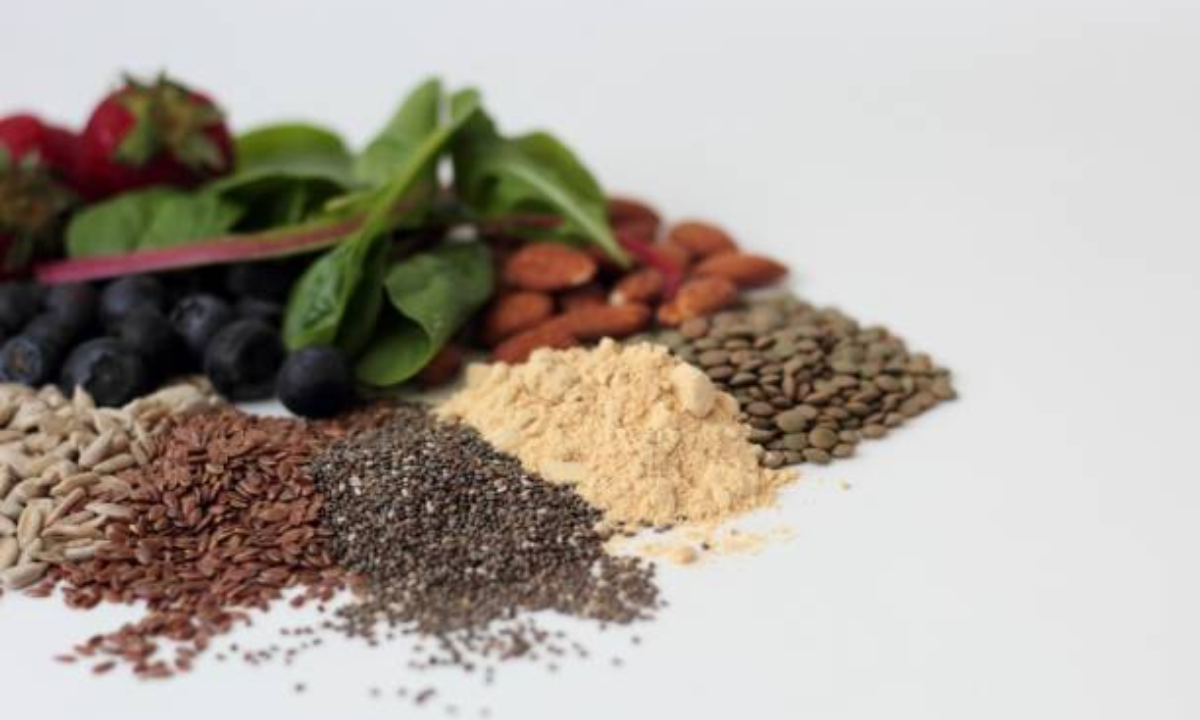
Incorporating PCOS-friendly food into your diet ensures better metabolic function and hormonal health. Focus on whole, unprocessed foods with a low glycemic index and anti-inflammatory properties.
- Vegetables and Greens: Leafy greens, cruciferous vegetables, and brightly coloured veggies are high in fibre and antioxidants, which help reduce inflammation and support detoxification.
- Lean Proteins: Fish, eggs, plant-based proteins, and lean poultry aid in muscle building and blood sugar regulation.
- Healthy Fats: Avocados, nuts, seeds, and olive oil provide essential fatty acids for hormone production and inflammation control.
- Complex Carbohydrates: Whole grains, legumes, and starchy vegetables digest slowly and prevent insulin spikes.
- Low-Glycemic Fruits: Berries, apples, and pears offer natural sweetness with a minimal impact on blood sugar.
PCOS Diet for Weight Loss
Weight management is a key aspect of controlling PCOS. A PCOS diet for weight loss should include:
- Balanced Macronutrients: Every meal should contain protein, healthy fats, and complex carbs to support satiety and blood sugar control.
- Smaller, Frequent Meals: Eating every 3-4 hours prevents energy crashes and overeating.
- Hydration: Drinking plenty of water helps with metabolism and reduces bloating.
- Meal Timing: Eating breakfast within 1-2 hours of waking up and avoiding late-night meals supports hormonal rhythms.
- Portion Control: Even healthy foods can contribute to weight gain if consumed in large amounts.
A targeted diet with the help of a Dietician for weight loss not only supports weight loss but also helps manage mood swings, cravings, and menstrual irregularities associated with PCOS.
Important Nutrients for PCOS Management
Several nutrients play a crucial role in managing PCOS through diet:
- Magnesium: Helps with insulin sensitivity. Found in spinach, almonds, and bananas.
- Vitamin D: Supports hormonal balance and ovarian function.
- Omega-3 fatty acids: Reduce inflammation and regulate menstruation.
- Zinc: Important for hair health, acne reduction, and immune function.
- Chromium: Enhances insulin action and may aid weight loss.
Lifestyle Tips to Support Your PCOS Diet
Managing PCOS is not just about food—your overall lifestyle also plays a role in symptom management:
- Exercise Regularly: Incorporate a mix of strength training and cardio to improve insulin sensitivity.
- Sleep Well: Aim for 7-9 hours of quality sleep to regulate hormones.
- Manage Stress: Chronic stress raises cortisol, which worsens insulin resistance.
- Limit Caffeine and Alcohol: These can interfere with hormone balance.
By aligning your lifestyle with your diet, you can significantly reduce PCOS symptoms and boost overall well-being.
How a Dietician Can Help You Manage PCOS
Each individual’s experience with PCOS is unique, and so is the dietary approach required. Consulting the best Dietician for PCOS can help you:
- Create a personalized nutrition plan
- Identify and eliminate trigger foods
- Meet weight loss goals safely
- Address co-existing conditions like thyroid or insulin resistance
A qualified professional will also monitor your progress and adjust your diet as your needs evolve.
Conclusion
Managing PCOS through diet is a powerful strategy for achieving hormonal balance, enhancing fertility, and maintaining a healthy weight. The right diet—rich in PCOS-friendly food and free from trigger ingredients—can help you regain control over your health and life.
To achieve sustainable results, consider professional guidance. Avni Kaul is one of the best Dieticians for PCOS and holistic health in India. Her personalized approach to nutrition has helped countless women overcome PCOS-related challenges through effective dietary and lifestyle strategies. At Nutri Activania, Avni Kaul and the team of Dieticians focus on science-backed, practical solutions tailored to individual needs.