
The Brain Gut Connection is one of the most fascinating areas of health research today. What happens in your gut doesn’t stay there—it directly impacts how your brain works and how you feel.
As a dietician working closely with families at Nutri Activania, I, Avni Kaul, have seen firsthand how simple food changes can improve digestion and bring emotional balance. Many of my clients are surprised to learn that gut-friendly foods can ease stress and even reduce anxiety.
In fact, this connection is why choosing the right foods is just as important for your mental health as it is for your body. And yes, this is something I as the Best Dietician and Nutritionist in Delhi would recommend.
Curious to know how your gut could be the secret to a calmer, happier mind? Let’s dive deeper.
Gut Health Meaning and Why It Matters
So, what is gut health meaning in simple terms?
It refers to the balance of bacteria, microbes, and digestive processes happening inside your gastrointestinal system. When your gut is healthy, your digestion runs smoothly, nutrients are absorbed well, and immunity stays strong.
But when gut balance is disturbed, it can affect your mood, sleep, and even stress levels.
Gut Health and Brain Function
Your gut and brain constantly “talk” through the vagus nerve, a direct communication line. This is why your stomach feels “nervous” during stress or “light” when you are happy.
Scientists call this link the gut-brain axis. Research shows that poor gut health is linked to higher risks of anxiety, depression, and mood swings.
So, if you often feel anxious, your gut might be part of the story.
Brain Gut Connection Anxiety
Have you ever had stomach cramps before a big exam or a presentation? That’s brain gut connection anxiety in action.
Stress changes gut bacteria and digestion. In return, the gut sends signals to the brain that make anxiety worse.
But the reverse is also true: by eating gut-friendly foods, you can calm your nervous system and reduce anxiety naturally.
Brain Gut Connection Diet: What to Eat
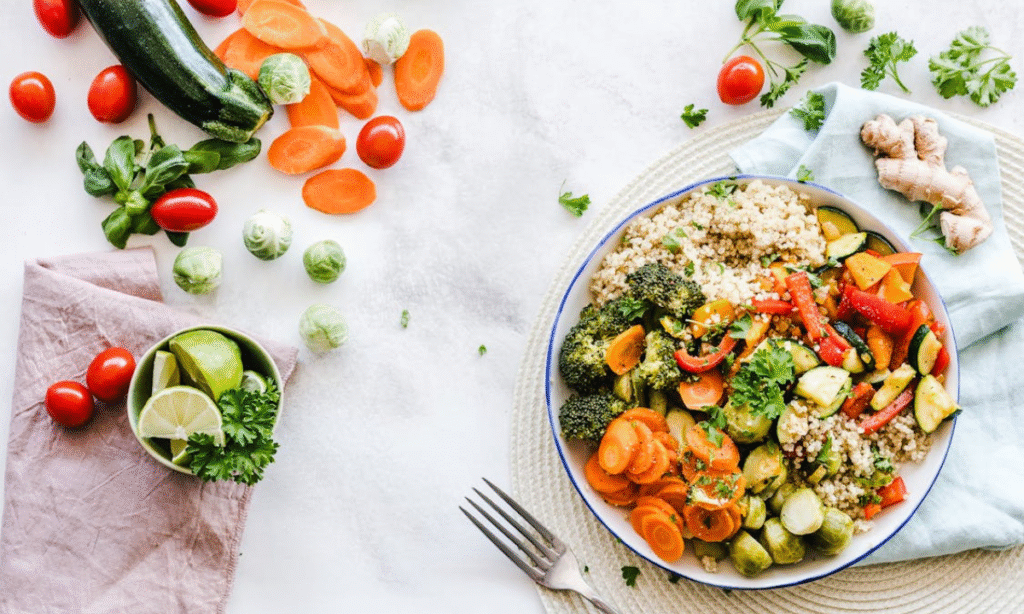
When clients ask me about a brain gut connection diet, I usually recommend foods that support digestion, reduce inflammation, and improve microbial balance.
Here’s a table that breaks it down:
| Nutrient/Food Type | Gut Health Food Sources | Benefit for Stress & Anxiety |
| Probiotics | Yogurt, kefir, fermented foods | Balance gut bacteria, boost mood |
| Prebiotics | Bananas, onions, garlic, oats | Feed healthy gut microbes |
| Omega-3 Fatty Acids | Fish, walnuts, flaxseeds | Reduce inflammation, calm the mind |
| Magnesium-rich | Nuts, seeds, leafy greens, dark chocolate | Relaxation & better sleep |
| Whole Grains | Brown rice, quinoa, oats | Stable energy & mood regulation |
Tip: Try combining probiotics (like yogurt) with prebiotics (like oats) for a perfect gut-brain meal combo.
Everyday Examples You Can Relate To
- Eating a heavy fried meal before work can leave you sluggish and anxious.
- A light breakfast of yogurt with fruit and oats often leaves people calmer and sharper.
- Dark chocolate can soothe nerves while also improving mood.
Small swaps can make a big difference in how your brain reacts to stress.
Comfort Foods That Support Gut Health
When stress hits, many of us reach for ice cream or fried snacks. While tasty, these often worsen anxiety.
Instead, try healthier comfort options that also support the brain gut connection diet:
- Warm homemade soup with vegetables.
- Herbal teas like chamomile or peppermint.
- Smoothies with yogurt, spinach, and bananas.
They comfort the mind while healing the gut.
My Experience as a Gastrointestinal Dietician and Nutritionist in Delhi
Being a Gastrointestinal dietician and nutritionist in Delhi, I have seen how gut-healing foods help people reduce stress and regain energy.
For example, one of my clients, a young professional dealing with burnout, found that adding probiotics and magnesium-rich foods improved both digestion and mood.
Another client, a student facing exam anxiety, benefited greatly from switching from processed snacks to whole grains and nuts.
These simple shifts often lead to big improvements in daily life.
As Best Dietician/Nutritionist in Delhi I would agree that focusing on gut health is one of the most natural ways to beat stress.
Practical Tips to Improve Gut Health and Reduce Anxiety
- Keep your meals colorful with fresh fruits and veggies.
- Stay hydrated, dehydration worsens stress and fatigue.
- Limit processed and sugary foods.
- Add one probiotic food daily.
- Practice mindful eating, chew slowly and avoid screens while eating.
Final Thoughts
The Brain Gut Connection proves that food isn’t just fuel; it’s medicine for both your body and your mind. By nourishing your gut, you are also supporting your mental well-being.
If you are looking for guidance, I, Avni Kaul, at Nutri Activania, Best Dietician/Nutritionist in Delhi, have helped many people create diets that support both digestion and stress relief. And with right guidance your journey to calmer days and a healthier gut can begin with your next meal.
FAQs
1. How can I improve gut health?
Eat fiber-rich foods, probiotics, and prebiotics daily. Stay hydrated, reduce sugar and processed foods, manage stress, exercise regularly, and practice mindful eating to support gut balance and digestion.
2. What are the symptoms of poor gut health?
Common symptoms include bloating, constipation, diarrhea, gas, frequent heartburn, fatigue, mood swings, food intolerances, and skin problems, signaling imbalance in gut bacteria and poor digestive function.
3. How do I detox my guts?
Support gut detox naturally by drinking plenty of water, eating high-fiber vegetables, adding probiotic foods, avoiding processed junk, limiting alcohol, and including herbal teas like ginger or peppermint.
4. Which gut health food reduces stress?
Probiotic foods like yogurt, kefir, and fermented vegetables improve gut balance. They reduce inflammation and help lower stress hormones, naturally supporting better mood and calmness.
5. How does gut health affect anxiety?
Unbalanced gut bacteria release stress signals to the brain. By improving gut health with fiber, probiotics, and omega-3 fats, anxiety levels can decrease significantly over time.