
Are you searching for a pre-natal diet plan by a dietitian that actually works? You’re in the right place! Pregnancy nutrition can feel overwhelming, especially with conflicting advice everywhere you look. However, following a professionally designed pre-natal diet plan makes all the difference.
According to recent studies, proper maternal nutrition reduces pregnancy complications by 60% and significantly improves fetal development outcomes. Therefore, working with a qualified pregnancy dietitian for your pre-natal diet plan ensures you’re getting expert guidance tailored to your unique needs.
In this comprehensive guide, we’ll explore everything about pre-natal diet plans by dietitians. From essential nutrients to practical meal planning strategies, you’ll discover proven tips that support both your health and your baby’s development throughout pregnancy. At Nutriactivania, we specialize in creating personalized nutrition plans for expectant mothers.
Why You Need a Pre-natal Diet Plan by a Dietician
The Benefits of Professional Dietary Guidance

Many expecting mothers wonder: “Why should I consult a dietitian for my pre-natal diet plan?” The answer is simple yet powerful. A registered dietitian provides personalized nutrition strategies that generic online advice simply cannot match.
Key advantages include:
- Customized pre-natal diet plans based on your medical history
- Expert monitoring of pregnancy weight gain
- Professional management of gestational diabetes
- Evidence-based recommendations for nutrient supplementation
- Ongoing support throughout your pregnancy journey
Moreover, dietitians help you navigate food safety concerns, manage pregnancy symptoms through nutrition, and establish healthy eating habits that benefit your entire family.
Understanding Pre-natal Nutrition Requirements
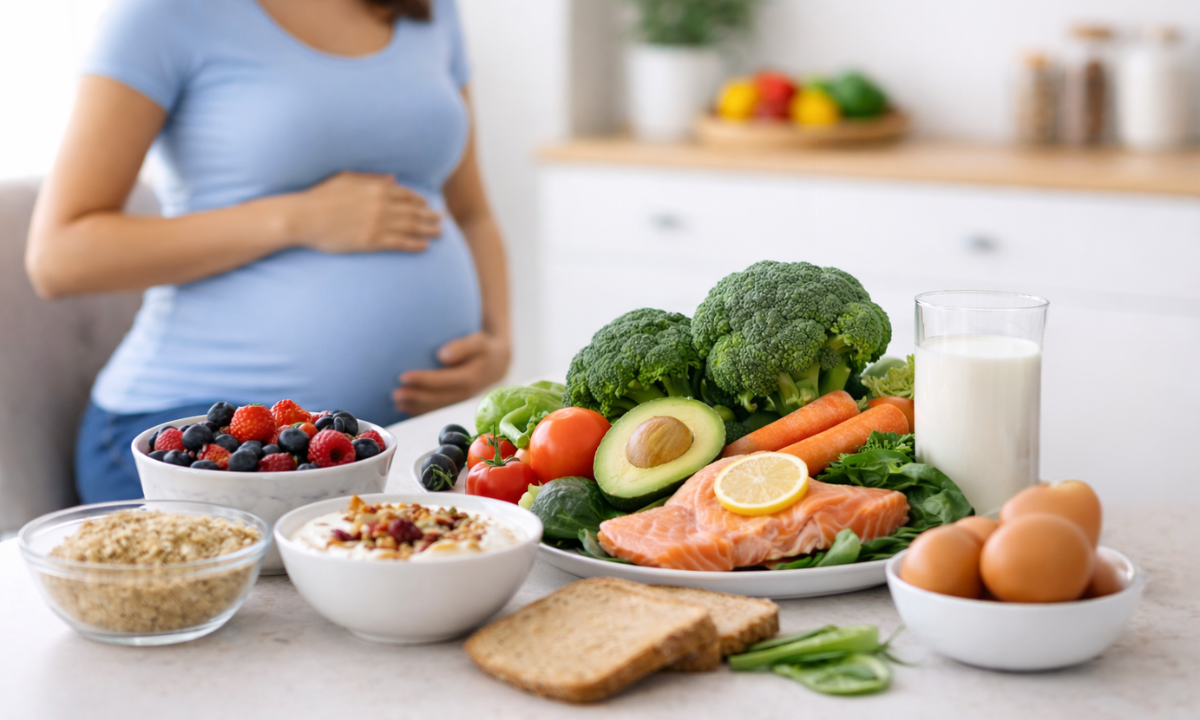
During pregnancy, your nutritional requirements change dramatically. Consequently, a pre-natal diet plan by a dietitian addresses these increased requirements systematically. Your body needs approximately 300 extra calories daily during the second and third trimesters.
However, quality matters more than quantity. Indeed, the right pre-natal diet plan focuses on nutrient-dense foods that support fetal development while maintaining maternal health.
Essential Nutrients in Your Pre-natal Diet Plan
Folic Acid: The Foundation of Pre-natal Diet Plans
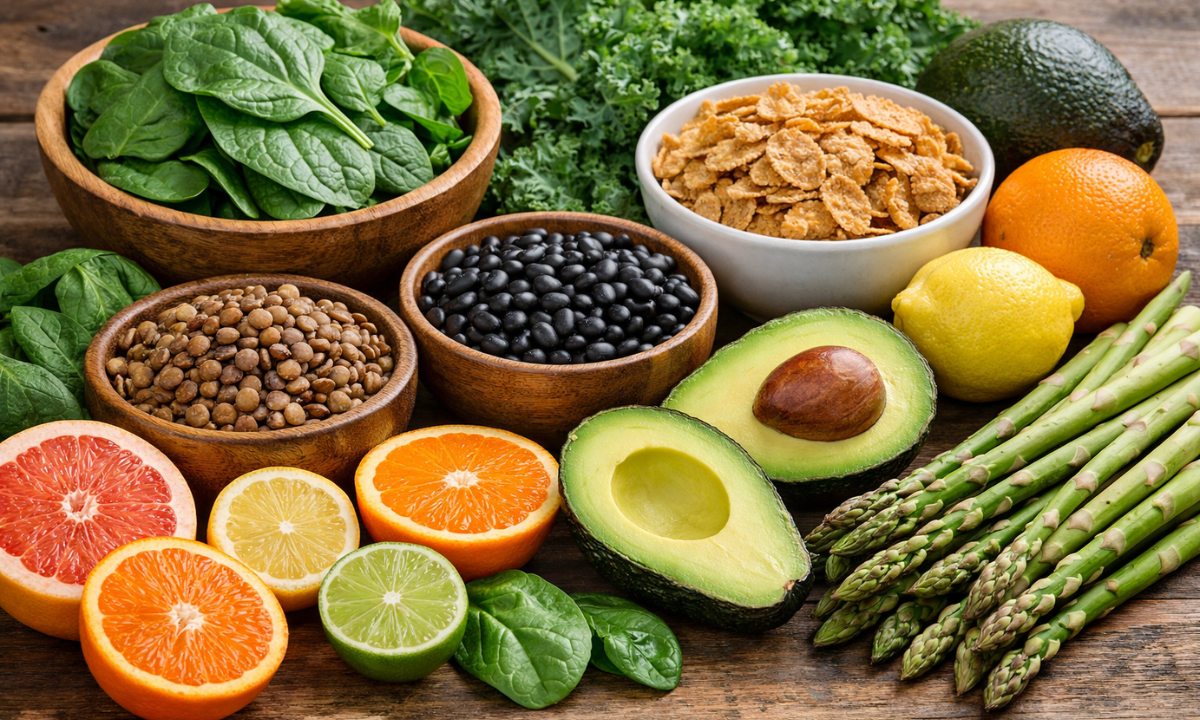
Every pre-natal diet plan by a dietitian emphasizes folic acid as the most critical nutrient. This B-vitamin prevents neural tube defects by up to 70% when consumed adequately before and during early pregnancy.
Best folic acid sources for your pre-natal diet plan:
- Dark leafy greens like spinach and kale
- Fortified breakfast cereals
- Lentils and black beans
- Citrus fruits and oranges
- Avocados and asparagus
Dieticians recommend 600 micrograms daily through your pre-natal diet plan. For example, one cup of fortified cereal plus a spinach salad provides nearly your entire daily requirement.
Iron: Preventing Pregnancy Anemia
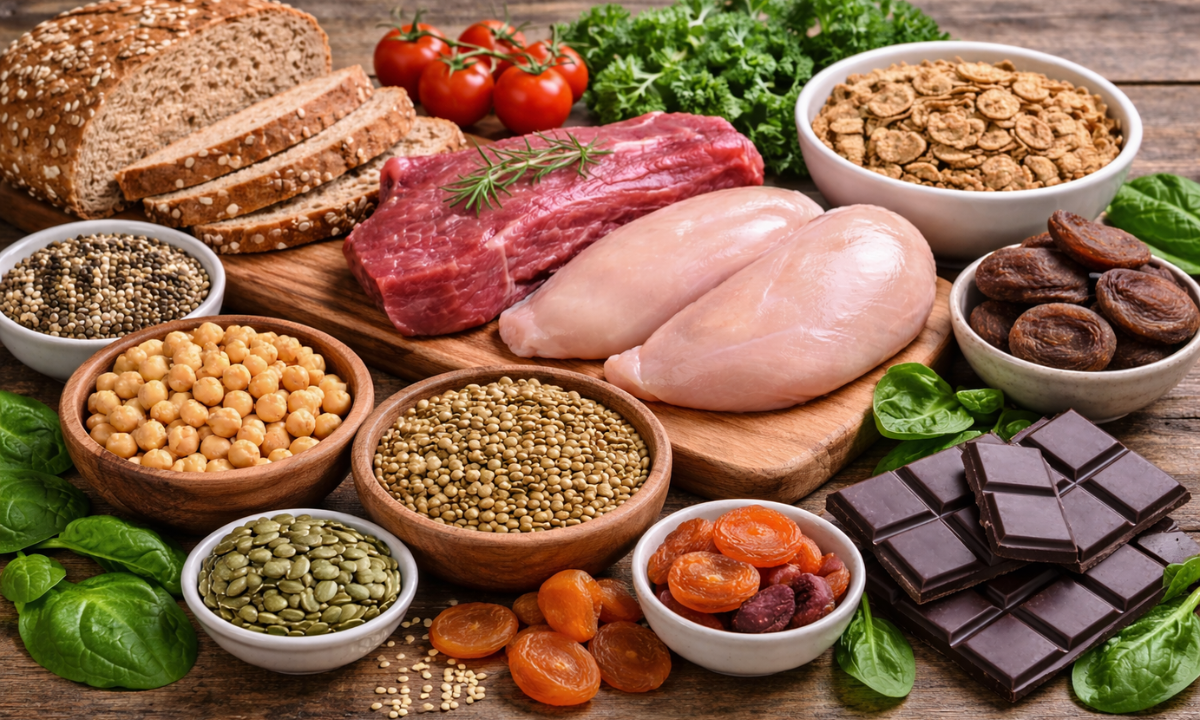
Iron deficiency affects 40% of pregnant women worldwide. Therefore, your pre-natal diet plan by a dietitian must include adequate iron-rich foods to support increased blood volume and oxygen delivery to your baby.
Iron-rich foods for pre-natal diet plans:
- Lean red meat and poultry
- Iron-fortified cereals and bread
- Beans, lentils, and chickpeas
- Dried fruits like apricots
- Dark chocolate (in moderation)
Pro tip from dietitians: Combine iron sources with vitamin C foods for better absorption. For instance, add strawberries to your iron-fortified cereal or squeeze lemon on spinach.
Calcium: Building Strong Bones
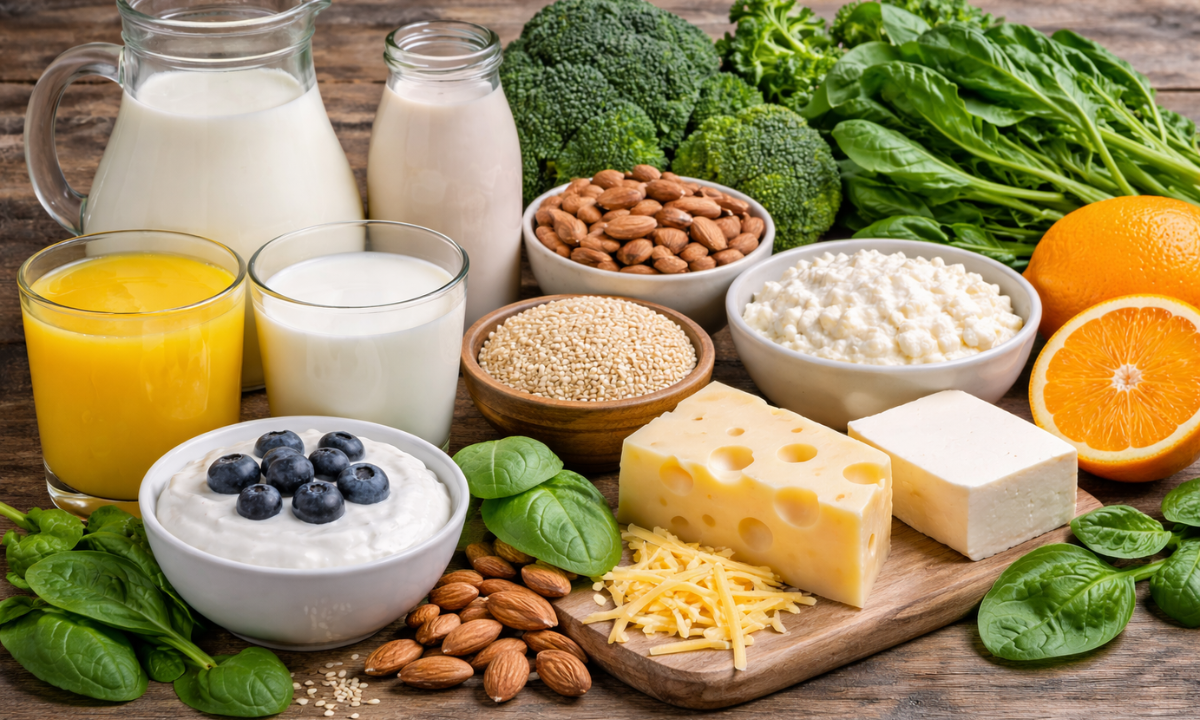
A complete pre-natal diet plan by a dietitian includes 1,000 milligrams of calcium daily. This mineral supports your baby’s bone and tooth development while protecting your own bone density.
Calcium sources for pre-natal diet plans:
- Milk, yogurt, and cheese
- Fortified plant-based milk
- Leafy green vegetables
- Almonds and sesame seeds
- Calcium-fortified orange juice
Protein: Essential for Tissue Growth
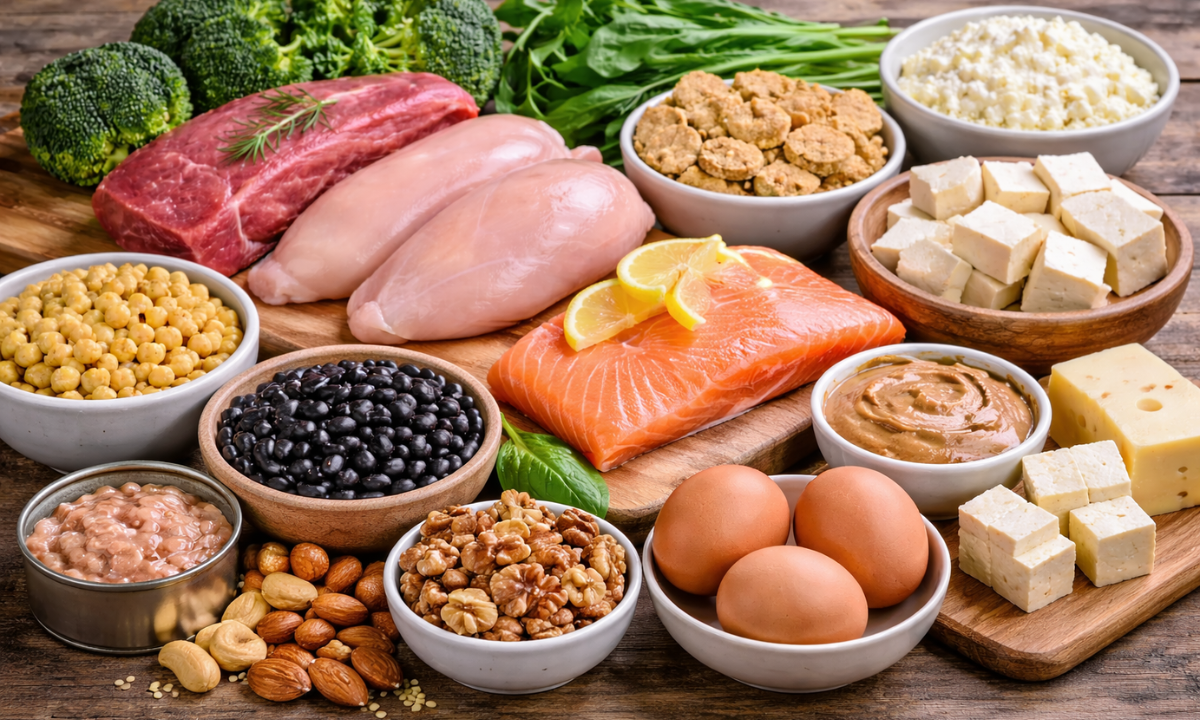
Protein requirements increase to 75-100 grams daily during pregnancy. Therefore, every pre-natal diet plan by a dietitian emphasizes high-quality protein sources at each meal.
Excellent protein options:
- Lean meats and poultry
- Fish low in mercury
- Eggs and dairy products
- Beans and legumes
- Nuts and nut butters
- Tofu and tempeh
For example, a typical day might include eggs at breakfast, chicken at lunch, Greek yogurt for snacks, and salmon for dinner.
Omega-3 Fatty Acids: Brain Development Support
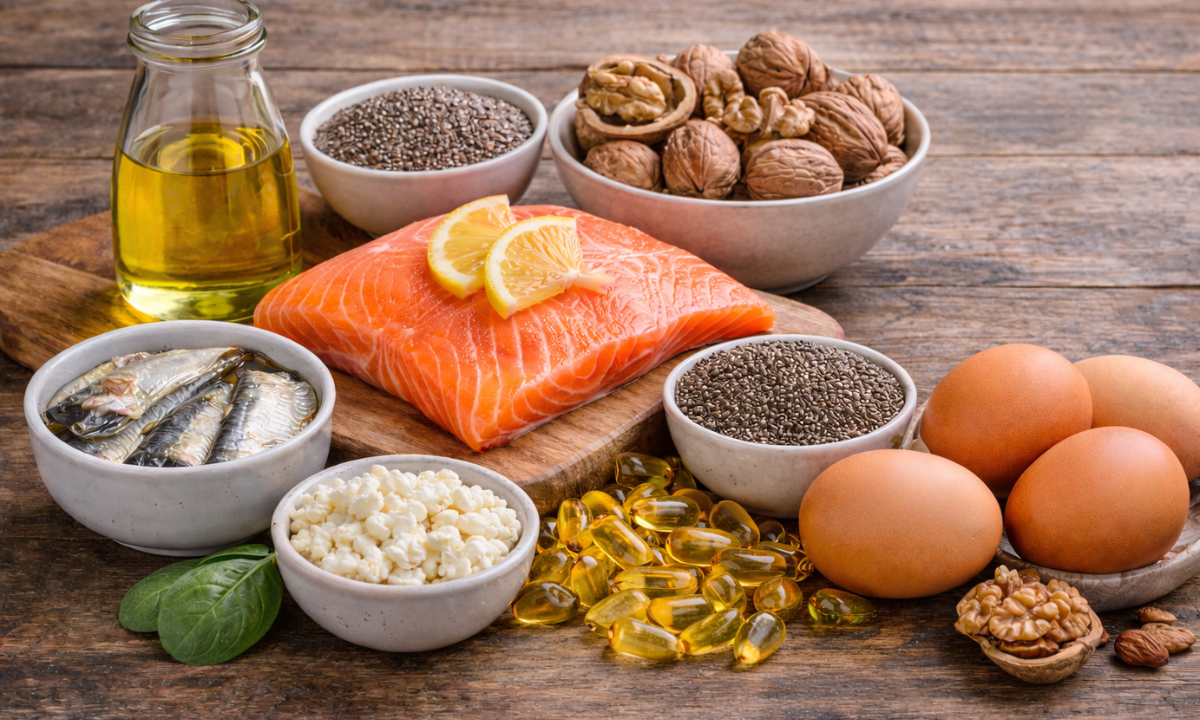
DHA and EPA support your baby’s brain and eye development. Consequently, dietitians include 200-300 milligrams of DHA in every pre-natal diet plan.
Safe omega-3 sources:
- Salmon and sardines
- Walnuts and chia seeds
- Flaxseed oil
- DHA-fortified eggs
- Prenatal supplements with DHA
Pre-natal Diet Plan by Dietician: Sample Meal Plans
First Trimester Pre-natal Diet Plan
During the first trimester, morning sickness often affects eating patterns. Therefore, dietitians create flexible pre-natal diet plans with small, frequent meals.
Sample First Trimester Day:
Breakfast (7:00 AM):
- Whole-grain toast with almond butter
- Banana
- Prenatal vitamin
- Ginger tea for nausea
Mid-Morning Snack (10:00 AM):
- Crackers with hummus
- Apple slices
Lunch (1:00 PM):
- Turkey and avocado sandwich on whole-grain bread
- Baby carrots
- Orange juice
Afternoon Snack (4:00 PM):
- Greek yogurt with berries
- Handful of almonds
Dinner (7:00 PM):
- Grilled chicken breast
- Brown rice
- Steamed broccoli
- Small salad
Evening Snack (9:00 PM):
- Whole-grain crackers
- Cheese slices
Second Trimester Pre-natal Diet Plan
Energy levels typically improve during the second trimester. Consequently, your pre-natal diet plan by a dietitian can include larger, more diverse meals.
Sample Second Trimester Day:
Breakfast:
- Oatmeal with berries and walnuts
- Scrambled eggs
- Glass of milk
- Prenatal vitamin
Snack:
- Protein smoothie with spinach
- Whole-grain muffin
Lunch:
- Salmon with quinoa
- Mixed vegetable salad
- Whole-grain roll
- Fruit salad
Snack:
- Cottage cheese with pineapple
- Whole-grain crackers
Dinner:
- Lean beef stir-fry with vegetables
- Brown rice
- Side salad with olive oil dressing
Snack:
- Warm milk with honey
- Handful of trail mix
Third Trimester Pre-natal Diet Plan
During the third trimester, your pre-natal diet plan by a dietitian, focuses on supporting rapid fetal growth while managing common discomforts like heartburn.
Sample Third Trimester Day:
Breakfast:
- Greek yogurt parfait with granola
- Whole wheat toast
- Orange slices
- Prenatal vitamin
Snack:
- Hard-boiled eggs
- Cucumber slices
Lunch:
- Chicken and vegetable soup
- Whole-grain bread
- Mixed green salad
- Berries
Snack:
- Apple with peanut butter
- Cheese stick
Dinner:
- Baked cod with sweet potato
- Steamed green beans
- Quinoa pilaf
Snack:
- Small bowl of whole-grain cereal
- Milk
Frequently Asked Questions About Pre-natal Diet Plans
How Do I Find a Qualified Dietician for Pre-natal Diet Plans?
Look for registered dietitians (RD or RDN) with experience in maternal nutrition. Additionally, check credentials through the Academy of Nutrition and Dietetics. If you’re in Delhi, Nutriactivania’s pregnancy dietitian services offer specialized prenatal nutrition counseling. Many hospitals and obstetric practices also have dietitians who specialize in pre-natal diet plans.
Can Vegetarians Follow a Pre-natal Diet Plan by a dietitian?
Absolutely! Dieticians create excellent vegetarian and vegan pre-natal diet plans. However, these plans require careful attention to vitamin B12, iron, calcium, protein, and omega-3 fatty acids. Therefore, working with a dietitian becomes even more important for plant-based eaters.
Vegetarian pre-natal diet plan essentials:
- Fortified plant-based milk
- Legumes and beans daily
- Vitamin B12 supplements
- Iron-rich foods with vitamin C
- DHA supplements from algae
What Foods Should I Avoid in My Pre-natal Diet Plan?
Every pre-natal diet plan by a dietitian includes food safety guidelines. Consequently, avoid these high-risk foods during pregnancy:
Foods to avoid:
- Raw or undercooked meats, eggs, and seafood
- Unpasteurized dairy products and juices
- Deli meats unless heated, are steaming hot
- High-mercury fish (shark, swordfish, king mackerel)
- Unwashed fruits and vegetables
- Excessive caffeine (limit to 200mg daily)
- Alcohol in any amount
How Much Weight Should I Gain Following a Pre-natal Diet Plan?
Your dietitian personalizes weight gain recommendations based on your pre-pregnancy BMI. Generally, weight gain guidelines include:
- Underweight: 28-40 pounds
- Normal weight: 25-35 pounds
- Overweight: 15-25 pounds
- Obese: 11-20 pounds
However, these are general ranges. Your pre-natal diet plan by a dietitian will include individualized weight goals and monitoring throughout pregnancy.
How Does a Pre-natal Diet Plan Help Manage Morning Sickness?
Dieticians use specific strategies in pre-natal diet plans to minimize nausea and vomiting. These evidence-based approaches include:
Morning sickness management tips:
- Eating small, frequent meals every 2-3 hours
- Choosing bland, easily digestible foods
- Keeping crackers at your bedside
- Staying hydrated with small sips
- Including ginger and lemon in your diet
- Avoiding strong food odors
For example, Maria followed her dietitian’s advice by eating five small meals instead of three large ones. Additionally, she found relief by sipping ginger tea between meals and keeping whole-grain crackers nearby.
Should I Take Prenatal Vitamins with My Diet Plan?
Yes! Even the most carefully designed pre-natal diet plan by a dietitian benefits from prenatal vitamin supplementation. These supplements provide nutritional insurance, especially for critical nutrients like folic acid and iron.
Essential prenatal vitamin components:
- 600-800 mcg folic acid
- 27 mg iron
- 1,000 mg calcium
- 200-300 mg DHA
- Vitamin D and B-complex vitamins
How Does a Pre-natal Diet Plan Address Gestational Diabetes?
Approximately 10% of pregnant women develop gestational diabetes. Consequently, dietitians create specialized pre-natal diet plans focusing on blood sugar management through:
Gestational diabetes diet strategies:
- Balanced carbohydrate distribution throughout the day
- Choosing complex carbohydrates over simple sugars
- Pairing carbs with protein and healthy fats
- Consistent meal timing
- Portion control and monitoring
- Regular physical activity
For instance, instead of white bread, your pre-natal diet plan would include whole-grain options. Additionally, you’d pair carbohydrates with protein at every meal to stabilize blood sugar levels.
Can My Pre-natal Diet Plan Help Prevent Constipation?
Constipation affects many pregnant women. Therefore, dietitians include specific strategies in pre-natal diet plans to promote regular bowel movements:
Constipation prevention strategies:
- Gradually increasing fiber to 25-30 grams daily
- Drinking 8-12 glasses of water
- Including prunes or prune juice
- Adding ground flaxseed to meals
- Eating plenty of fruits and vegetables
- Staying physically active
How Often Should I Meet with My Dietician?
Typically, you’ll have an initial consultation to create your pre-natal diet plan, followed by monthly check-ins. However, if you have special conditions like gestational diabetes or are carrying multiples, you may need more frequent appointments.
Pre-natal Diet Plan Tips from Expert Dieticians
Hydration Strategies for Pregnancy
Water plays a crucial role in every pre-natal diet plan by a dietitian. Proper hydration supports increased blood volume, prevents constipation, reduces swelling, and helps prevent urinary tract infections.
Hydration guidelines:
- Drink 8-12 glasses of water daily
- Include water-rich foods like cucumbers and watermelon
- Limit caffeinated beverages
- Carry a reusable water bottle
- Set hourly hydration reminders
Managing Pregnancy Cravings and Aversions
Pregnancy hormones can dramatically change food preferences. Interestingly, dietitians view cravings and aversions as important signals to address in your pre-natal diet plan.
Healthy craving management:
- Allow occasional treats in moderation
- Find healthier alternatives to common cravings
- Never ignore sudden cravings for non-food items (pica)
- Balance indulgences with nutritious choices
- Listen to genuine hunger versus emotional eating
For example, if you’re craving ice cream, try Greek yogurt with frozen berries. This satisfies the craving while providing protein and nutrients your pre-natal diet plan requires.
Meal Prep Strategies for Busy Moms-to-Be
Effective pre-natal diet plans by dietitians include practical meal preparation strategies. Consequently, batch cooking and smart planning help you maintain healthy eating despite pregnancy fatigue.
Meal prep tips:
- Cook large batches on weekends
- Freeze individual portions
- Prep vegetables in advance
- Keep healthy snacks readily available
- Use slow cookers for easy meals
- Create a weekly meal plan
Managing Heartburn Through Diet
Heartburn becomes increasingly common as pregnancy progresses. Therefore, dietitians modify pre-natal diet plans to minimize acid reflux and discomfort.
Heartburn prevention strategies:
- Eat smaller, more frequent meals
- Avoid spicy, acidic, and fried foods
- Don’t lie down immediately after eating
- Stay upright for 2-3 hours post-meal
- Avoid eating close to bedtime
- Elevate your head while sleeping
Pre-natal Diet Plan for Special Situations
Twin Pregnancy Nutrition
Carrying twins or multiples requires enhanced nutrition. Consequently, pre-natal diet plans by dietitians for multiple pregnancies include:
- 300-500 extra calories per baby
- Increased protein requirements (100+ grams daily)
- Additional iron supplementation
- Higher calcium needs
- More frequent meals and snacks
Pre-natal Diet Plans for Women with Food Allergies
Dieticians skillfully create pre-natal diet plans that work around food allergies while meeting all nutritional requirements. For example, if you’re lactose intolerant, your plan includes calcium-fortified alternatives and other calcium-rich foods.
Allergy-friendly alternatives:
- Lactose-free milk products
- Gluten-free whole grains
- Nut-free protein sources
- Egg substitutes when necessary
Managing Pre-existing Health Conditions
Women with conditions like diabetes, hypertension, or thyroid disorders need specialized pre-natal diet plans. Therefore, working closely with both your dietitian and healthcare provider ensures optimal management throughout pregnancy.
Long-term Benefits of Following a Pre-natal Diet Plan
Establishing Lifelong Healthy Habits
The healthy eating patterns you develop through your pre-natal diet plan by a dietitian extend far beyond pregnancy. Indeed, these habits benefit your entire family for years to come.
Lasting benefits include:
- Better postpartum recovery
- Successful breastfeeding
- Healthy weight management after delivery
- Reduced risk of chronic diseases
- Positive food relationships for your children
Preparing for Breastfeeding Nutrition
Your dietitian often includes postpartum planning in your pre-natal diet plan. Breastfeeding requires approximately 500 extra calories daily—even more than pregnancy. Additionally, many of the same nutrients remain critical for milk production and the baby’s development.
Finding Support for Your Pre-natal Diet Journey
Building Your Nutrition Support Network
Success with any pre-natal diet plan by a dietitian involves building a strong support system. Therefore, consider:
- Involving your partner in meal planning
- Joining pregnancy nutrition groups
- Connecting with other expecting mothers through Nutriactivania’s community programs
- Following evidence-based nutrition resources
- Maintaining regular dietitian appointments
Using Technology for Pre-natal Diet Success
Many dietitians now offer virtual consultations and use apps to support your pre-natal diet plan. Consequently, you can track meals, monitor symptoms, and receive guidance from anywhere.
Helpful tools include:
- Nutrition tracking apps
- Meal planning software
- Recipe databases for pregnancy
- Hydration reminder apps
- Virtual dietitian consultations
Conclusion
Creating and following a pre-natal diet plan by a dietitian is one of the most important investments in your baby’s health and your own well-being. Throughout this comprehensive guide, you’ve discovered essential nutrients, practical meal planning strategies, and expert answers to common pregnancy nutrition questions.
Remember, every pregnancy is unique. Therefore, personalized guidance from a registered dietitian ensures your pre-natal diet plan meets your specific needs, addresses your health conditions, and supports optimal outcomes for both you and your baby. Nutriactivania provides expert nutrition counseling to help you navigate your pregnancy journey with confidence.
By focusing on nutrient-dense whole foods, staying properly hydrated, taking prenatal vitamins, and working closely with your pregnancy dietitian, you’re providing the best possible nutritional foundation for your growing baby. Moreover, the healthy habits you establish now will benefit your family for generations.
Don’t hesitate to seek professional help for your pre-natal diet plan. Your journey deserves expert support, and qualified dietitians provide the evidence-based guidance that makes pregnancy nutrition simple, enjoyable, and effective.
Here’s to a healthy, nourishing pregnancy filled with delicious foods that support your incredible transformation into motherhood!