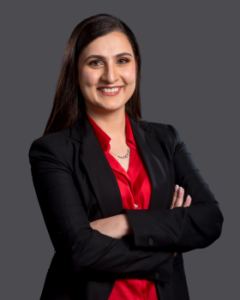

Many people only start looking at dieticians for weight loss after years of trying to manage on their own, often wondering whether paying for expert help will make any real difference. In this guide, Avni Kaul, an experienced dietitian in Delhi and founder of Nutri Activania, answers that question honestly: what dieticians can and cannot do, what realistic progress looks like, and how to tell a good plan from a gimmick.
Want a personalised answer for your situation? Book a consultation with Avni Kaul or call +91 99532 28642.
12+ years of clinical nutrition experience | 300+ Google reviews | 15,000+ members supported
Do Dieticians for Weight Loss Actually Help?
For most people, yes, but not because dieticians have a secret formula. Dieticians for weight loss help because they replace guesswork with structure. Instead of following a plan made for someone else, you get guidance built around your body, routine, health conditions and food habits, along with regular reviews that keep you on track.
Structured, personalised dietary counselling can be an effective foundation for weight management, especially when combined with physical activity, sleep, stress management and consistent follow-up. The difference usually comes from three things a self-directed diet lacks:
- Personalisation: a plan that suits your appetite, schedule and preferences
- Accountability: someone reviewing progress with you regularly
- Adjustment: changes made when weight loss slows or life gets busy
What Dieticians Can and Cannot Do
Understanding what dieticians for weight loss can realistically offer helps you set the right expectations from the start.
| What a Dietician Can Do | What a Dietician Cannot Do |
|---|---|
| Assess your eating habits and health history | Guarantee a fixed amount of weight loss |
| Build a plan around foods you enjoy | Make progress happen without your effort |
| Adjust portions, meal timing and food balance | Replace medical treatment for health conditions |
| Help you manage cravings and eating patterns | Promise permanent results without maintenance |
| Support you through plateaus and setbacks | Offer one plan that works for everyone |
A good dietician will be clear about these limits. If someone promises results that sound too good to be true, they usually are.
Prefer honest guidance over quick-fix promises? Talk to Avni Kaul’s team about a realistic plan for your goals.
What Realistic Weight Loss Progress Looks Like

When working with dieticians for weight loss, progress is rarely a straight line. Most people experience a few predictable phases:
The early weeks: Many people notice changes in appetite, energy, digestion and routine before the scale moves significantly. Early weight changes can include water weight, so they may not reflect fat loss alone.
The steady phase: Weight loss tends to become slower and more consistent as new habits settle in. This is the phase where sustainable progress is built.
Plateaus: Almost everyone reaches a point where progress stalls. A dietician reviews your plan, portions, activity and routine to help you move past it.
Maintenance: Once you reach a comfortable weight, the focus shifts to keeping it there through flexible, long-term habits.
Results vary with starting weight, health conditions, medications, sleep, stress, activity and consistency. As a broad reference, public-health guidance often describes gradual progress of around 0.5 to 1 kg (1 to 2 lb) per week as more sustainable than rapid loss, though the right pace depends on your starting point, health and programme. This is a general guide, not a target or promise, and no responsible dietician should give you a guaranteed timeline. If you have hypothyroidism, our guide to a weight loss diet for hypothyroidism explains why progress may need a different approach.
What a Good Weight Loss Diet Plan by a Dietician Includes
Experienced dieticians for weight loss create plans that feel practical rather than punishing. A good plan typically includes:
- Balanced meals with adequate protein, fibre, whole grains and vegetables
- Familiar Indian foods such as dal, roti, rice, sabzi, curd and millets
- Portion guidance rather than banned food lists
- Meal timing that suits your work hours and appetite
- Healthy swaps for snacks, drinks and eating out
- Room for favourite foods in sensible amounts
- A follow-up schedule to review and adjust the plan
This approach reflects national guidance such as the ICMR-NIN Dietary Guidelines for Indians, which emphazise minimally processed foods, whole grains, millets, pulses, vegetables and fruits, while limiting foods high in sugar, salt and fat. For a practical example, see our 7-day Indian diet plan for weight loss.
Want a plan built around your own meals? Check your starting point with our free BMI calculator or weight loss calculator, then book your first session.
Red Flags to Avoid When Choosing Dieticians for Weight Loss
Not every nutrition programme is built on sound advice. Be cautious if a provider:
- Guarantees a specific weight loss in a fixed number of days
- Bans entire food groups such as all carbohydrates or all fats without a medical reason
- Recommends very low-calorie crash diets without supervision
- Pushes expensive supplements, powders or detox products as essential
- Uses the same plan for every client regardless of health or lifestyle
- Suggests stopping medication without your doctor’s involvement
- Offers no follow-up after handing over a diet chart
- Cannot clearly explain their qualifications or experience, or pressures you to decide immediately
Choosing qualified, experienced dieticians for weight loss protects both your health and your investment. For a detailed checklist on credentials, read our guide to choosing a weight loss registered dietitian.
When Should You See a Dietician for Weight Loss?

Many people wait too long before consulting dieticians for weight loss. It may be time to seek expert help if you:
- Have tried several diets but keep regaining weight
- Feel constantly hungry, tired or low on energy while dieting
- Are unsure what or how much you should be eating
- Are managing weight alongside PCOS, thyroid concerns, diabetes or high blood pressure
- Find it difficult to balance healthy eating with work, family and social life
- Want long-term change rather than another short-term diet
This article is for general information and does not replace individualised medical advice.
If you are managing a health condition, a dietician’s guidance should work alongside your doctor’s care. Our guide to the PCOS weight loss nutrition program explains why condition-specific planning often matters.
Recognise yourself in this list? You do not have to keep trying alone. Call +91 99532 28642 or book a consultation with Avni Kaul.
How Nutri Activania Approaches Weight Loss
At Nutri Activania, our approach reflects what experienced dieticians for weight loss should offer. Avni Kaul holds a B.Sc. and an M.Sc. in Food and Nutrition, graduating as a Gold Medallist from Lady Irwin College, University of Delhi, and has more than 12 years of clinical nutrition experience, including work in endocrinology and diabetes education.
Working with Avni Kaul and her team of M.Sc.-qualified nutritionists includes:
- A detailed assessment of your health history, routine and eating habits
- A personalised plan built around Indian foods you enjoy
- Practical portion guidance and food swaps, not strict bans
- Regular follow-ups to adjust your plan as you progress
- In-person sessions at the Saket clinic, with online diet plans available if you prefer to consult remotely
Consultation hours: Monday to Saturday, 10:00 am to 7:00 pm
Phone: +91 99532 28642
Conclusion
Dieticians for weight loss are not a magic solution, but for most people they are the difference between another short-lived diet and lasting change. The right dietician gives you a plan that fits your life, honest expectations, support through plateaus and the habits you need to maintain your results. Avoid quick-fix promises, look for qualifications and personalised care, and give the process time.
Ready to start? Explore our weight loss program, call +91 99532 28642 or book your consultation with Avni Kaul.
Frequently Asked Questions
Do dieticians for weight loss really work?
For most people, yes. Dieticians help by creating a personalised plan, providing accountability and adjusting your approach as you progress. Results still depend on your consistency, health, activity and individual factors.
How long does it take to see results with a dietician?
Many people notice changes in appetite, energy and routine within the first few weeks, with weight changes following gradually. There is no fixed timeline, as progress depends on your starting point, health conditions and consistency.
Will a dietician make me stop eating rice or roti?
Usually not. Most dieticians for weight loss adjust portions and balance rather than removing staple foods. Rice, roti and other Indian staples can typically remain part of a healthy weight loss plan.
Is a dietician better than following an online diet plan?
Online plans are generic and cannot account for your health history, routine or preferences. A dietician personalises your plan and adjusts it over time, which makes it easier to follow and sustain.
What is the difference between a dietician and a nutritionist for weight loss?
The terms are often used interchangeably in India, but qualifications, training and scope of practice can vary. Before starting, ask about their education, clinical experience, areas of specialisation and follow-up process.
Do I need to take supplements to lose weight with a dietician?
Not usually. Most weight loss plans are built around regular food. Supplements may occasionally be suggested for a specific nutritional need, but they should never be presented as essential for weight loss.
Can dieticians help with weight loss for PCOS or thyroid conditions?
Yes. Dieticians can create plans that consider PCOS, thyroid conditions or diabetes, working alongside your doctor’s treatment. These plans often focus on meal structure, protein, fibre and steady energy.
How much do dieticians for weight loss charge?
Fees vary depending on the consultation format, programme length and number of follow-ups included. Compare what each option includes, rather than choosing on price alone. For current fees at Nutri Activania, call +91 99532 28642.
How do I book a consultation with Avni Kaul?
Call +91 99532 28642, email info@nutriactivania.com or use the contact form. You can also visit the clinic at M-65, Saket Road, near HDFC Bank, Block M, Saket, New Delhi 110017.