
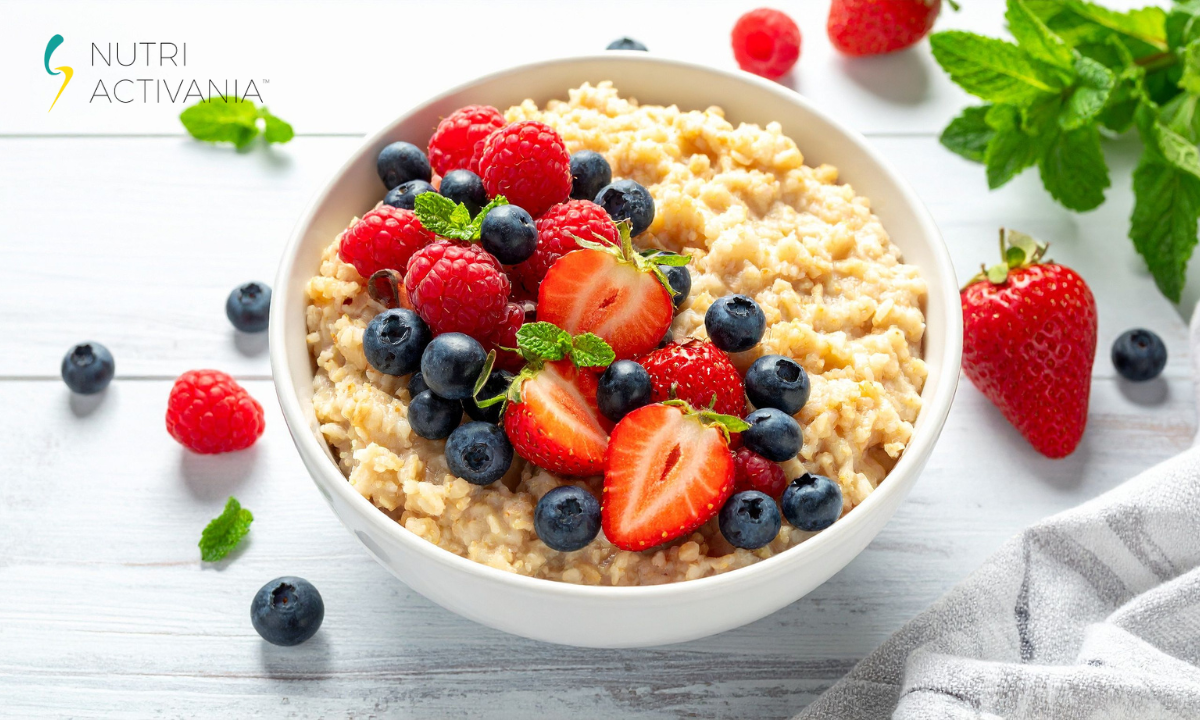
While oats are considered a superfood, there are disadvantages of eating oats daily you should know before making them a daily habit. Eating oats every day can cause gas and bloating (especially if you’re not used to high fiber), potential weight gain from excessive portions (379 calories per 100g), gluten cross-contamination that affects celiac patients, reduced absorption of minerals like iron and zinc due to phytic acid, and digestive issues for people with IBS or gut disorders.
In the world of health-conscious eating, oats have emerged as a nutritional powerhouse. From steaming bowls of oatmeal to crunchy granola bars, oats have become a staple in many diets, celebrated for their numerous health benefits. However, like any food, oats come with their own set of pros and cons. Let us delve into the potential advantages and drawbacks of incorporating oats into your daily diet as explained by the leading Dietician for weight loss, Avni Kaul, in this blog.

What are the Pros of having oats daily?
Now let us learn about some of the pros first:
- Nutrient-rich: Oats are packed with essential nutrients, including fiber, vitamins, and minerals. A single serving of oats provides a significant portion of your daily requirements for manganese, phosphorus, magnesium, and iron.
- Heart Health: One of the most touted benefits of oats is their ability to promote heart health. They are rich in beta-glucans, a type of soluble fiber that has been shown to reduce cholesterol levels, particularly LDL cholesterol, thus lowering the risk of heart disease.
- Blood Sugar Regulation: Oats have a low glycemic index, meaning they cause a slower and more gradual increase in blood sugar levels compared to high-glycemic foods. This makes them an excellent choice for individuals looking to manage blood sugar levels, particularly those with diabetes.
- Weight Management: Oats are filling and can help keep you satisfied for longer periods, reducing the likelihood of overeating. Additionally, their high fiber content aids digestion and promotes a healthy gut, which is essential for maintaining a healthy weight.
- Versatility: Oats are incredibly versatile and can be incorporated into a wide variety of dishes, from breakfast cereals and smoothies to savory meals like soups and stews. This versatility makes it easy to add oats to your daily diet in creative and delicious ways.
What are the Cons or Oats Disadvantages of eating oats daily?
The cons include:
- Potential Gluten Contamination: While oats themselves are naturally gluten-free, they are often processed in facilities that also handle gluten-containing grains like wheat, barley, and rye. As a result, cross-contamination may occur, making oats unsafe for those with celiac disease or gluten sensitivity.
- Antinutrients: Oats contain compounds known as antinutrients, such as phytic acid, which can bind to minerals like iron and zinc, inhibiting their absorption. However, soaking, sprouting, or fermenting oats can help reduce the levels of antinutrients and enhance nutrient absorption.
- Caloric Density: While oats are nutritious, they are also relatively calorie-dense, particularly when consumed in large quantities or loaded with added sugars and fats. It is essential to be mindful of portion sizes, especially if you are watching your calorie intake.
- Flatulence: Like other high-fibre foods, oats can cause gas and bloating in some individuals, especially when consumed in large amounts or by those not accustomed to a high-fibre diet. Gradually increasing your intake and drinking plenty of water can help alleviate these symptoms.
- Potential for Contamination: In rare cases, oats may be contaminated with molds and mycotoxins, which can pose health risks if consumed in large quantities. Choosing organic or certified gluten-free oats and storing them properly can help mitigate this risk.
Oats are a nutritious and versatile food that can offer numerous health benefits when consumed as part of a balanced diet. However, it is essential to be aware of potential drawbacks, such as gluten contamination, antinutrients, and caloric density. By enjoying oats in moderation and opting for high-quality varieties, you can reap the rewards of this wholesome grain while minimizing any potential downsides. As always, consulting a healthcare professional or registered dietician can help you determine the best approach to incorporating oats into your diet for optimal health and wellness.