
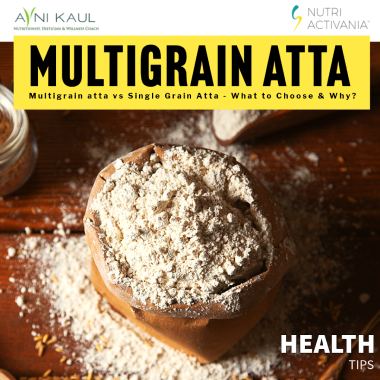
In search for healthy eating, one of the fundamental choices we face is selecting the right type of flour for our daily consumption. Flour serves as the cornerstone of many staple foods, from bread to chapatis, and therefore choosing between multigrain and single-grain atta can significantly impact our health and well-being. Both options offer unique nutritional profiles, and understanding their differences can help us make informed decisions for our diets as explained by Dietician, Avni Kaul, in this article.
What is the difference between single-grain and multigrain atta?
Single-grain atta, as the name suggests, is made from a single type of grain, typically wheat. It is the traditional choice for many households, prized for its versatility and familiar taste. On the other hand, multigrain atta is a blend of various grains and seeds, such as wheat, millet, barley, and oats, among others. Each grain contributes its own set of nutrients, resulting in a more diverse nutritional profile.
What is the Nutritional Value?
Single-grain atta primarily consists of wheat, which is rich in carbohydrates and gluten. While it provides energy, it may lack the variety of nutrients found in multigrain atta. In contrast, multigrain atta offers a broader spectrum of nutrients due to the inclusion of different grains. This variety enhances the nutritional value by providing essential vitamins, minerals, and dietary fiber, promoting better overall health.
How about the Fiber Content?
Fiber is crucial for digestive health and helps prevent various ailments, including constipation and heart disease. Single grain atta contains some fiber, mainly found in whole wheat varieties, but it may not suffice for optimal fiber intake. Multigrain atta, with its blend of grains and seeds, tends to be higher in fiber content, promoting better digestion and satiety.
Micronutrients
Multigrain atta shines when it comes to micronutrients. Each grain contributes its unique array of vitamins and minerals, offering a more comprehensive nutritional profile. From iron and magnesium to vitamin B complex, multigrain atta provides a diverse range of micronutrients essential for various bodily functions. Single-grain atta, while still nutritious, may not offer the same breadth of micronutrients as its multigrain counterpart.
Glycemic Index
The glycemic index (GI) measures how quickly a food raises blood sugar levels. Foods with a high GI can cause spikes in blood sugar, leading to energy crashes and cravings. Single-grain atta, particularly refined wheat flour, tends to have a higher GI compared to multigrain atta. The presence of additional grains and seeds in multigrain atta can lower its GI, providing more sustained energy levels and better blood sugar control.
Taste and Texture
While nutritional considerations are paramount, taste and texture also play a significant role in food choices. Single-grain atta, with its familiar wheat flavour and soft texture, is preferred by many for its comfort and versatility in cooking. On the other hand, multigrain atta may have a slightly nuttier flavour and denser texture due to the presence of various grains and seeds. Some people may need time to adjust to its taste, but the added nutritional benefits often outweigh this minor difference.
Both multigrain and single-grain atta have their merits, and the choice ultimately depends on individual preferences and dietary goals. While single-grain atta offers familiarity and convenience, multigrain atta provides a more diverse array of nutrients, fiber, and a lower glycemic index. For those seeking to enhance their nutritional intake and promote overall health, incorporating multigrain atta into their diet can be a beneficial choice. However, whichever option you choose, remember to prioritize whole grain varieties for maximum health benefits.