
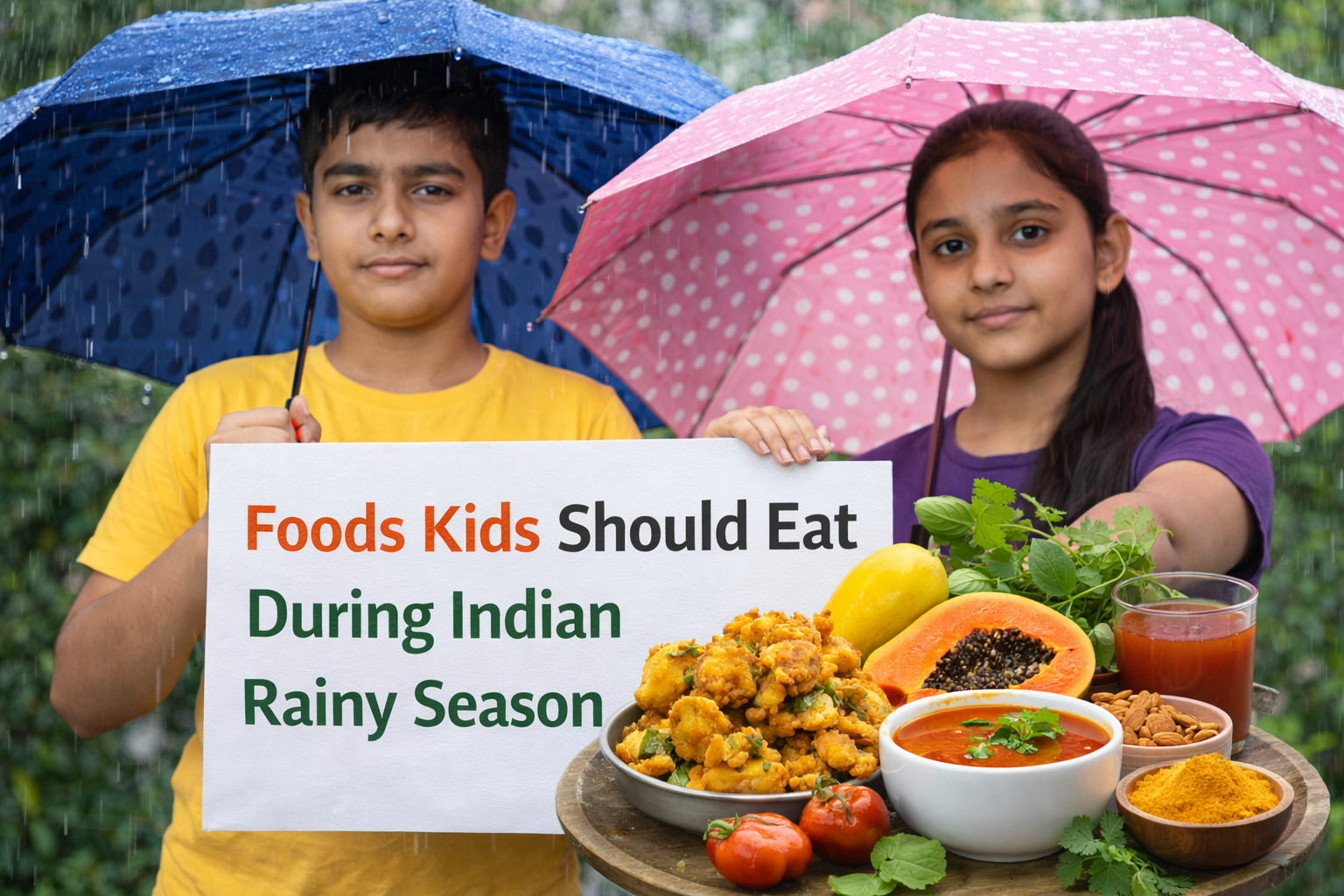
As the pitter-patter of raindrops dance against the windowpane and the rhythmic beat of the monsoon fills the air, it is easy to get lost in the joy of the season. While the rainy season offers a much-needed respite from the scorching summer heat, it also ushers in a series of health challenges, especially for children. The combination of increased humidity, stagnant water, and the temptation of street food makes it essential to pay close attention to what our little ones consume during this time. Children are particularly susceptible to the health risks associated with monsoon weather, including gastrointestinal infections caused by water and food contamination.
The increased moisture and warmth create the perfect environment for bacteria and fungi to thrive, leading to a higher risk of diseases. To keep your little ones healthy and vibrant during the monsoon, it is crucial to focus on nutritious, hygienic, and well-cooked food. Eminent child Dietician and nutritionist in Delhi and Gurgaon, Avni Kaul, shares a few types of foods that children should eat during the rainy season.
Which foods do children need to eat during the rainy season?
Vitamin C Enriched Diet
Children are more susceptible to colds and flu during the monsoon season, making a Vitamin C-enriched diet essential for strengthening their immunity. Vitamin C enhances white blood cell production, crucial for fighting infections, and aids in collagen synthesis to maintain healthy skin, which acts as a barrier to germs. Incorporate citrus fruits like oranges and lemons, amla, papayas, guavas, strawberries, broccoli, bell peppers, and leafy greens to strengthen their defense mechanisms and reduce illness severity.
The Goodness of Ginger and Honey
Did you know the amazing combination of ginger and honey can help keep your child healthy during the Indian monsoon? Ginger’s anti-inflammatory and antioxidant properties boost immunity and promote healthy sweating, which is beneficial during cold and flu season. When paired with honey, known for it’s antimicrobial and antioxidant benefits, it creates a powerful remedy. Ginger and honey can soothe an itchy throat, reduce cough, and fight infections. For a tasty twist, add ginger to cookies, bread, or cakes, or mix it with lemon water and honey.
Warm Soup
Who can resist a bowl of warm soup during the monsoons? Soups like chicken, vegetables, and chicken noodle are perfect for keeping the body warm and fighting infections. They hydrate, boost immunity, and reduce inflammation, with chicken soup serving as a powerful mucus stimulant to clear nasal congestion. Rich in anti-bacterial ginger and garlic, and enhanced with spices like black pepper, soups are a nutritious, easy-to-digest alternative to unhealthy roadside chaats, keeping you full and happy.
Turmeric
Turmeric, one of the most ubiquitous ingredients in the Indian kitchen, is a miracle herb that should be consumed year-round. Rich in anti-inflammatory properties, turmeric boosts the immune system and wards off infections. Drinking warm turmeric milk, which combines turmeric’s antiviral and antifungal properties with milk’s protein, calcium, and vitamin A, is an age-old remedy for seasonal infections. This powerful blend helps fight common colds, flu, and other monsoon ailments, protecting against colds, coughs, and sore throats.
Fresh Vegetables
No matter what season, fresh vegetables are essential for your child’s daily diet. Rich in vitamin C, folic acid, and beta-carotene, they boost immunity. Cruciferous vegetables like broccoli and cauliflower detoxify the body, while bright yellow and orange vegetables like carrots and pumpkins act as antioxidants. Green leafy vegetables, despite potential monsoon germs, provide vital nutrients when properly washed and cooked.
Seasonal Fruits
Add seasonal fruits like apples, pears, guavas, berries, jamun, and plums to your child’s diet to boost their immune system. Rich in vitamins, antioxidants, and phytochemicals, these fruits help fend off infections. Include half a cup of mixed berries in breakfast cereal or yogurt. Jamun juice reduces liver disease risk, while plums provide essential nutrients. Let your child enjoy the monsoon with a diet rich in immunity-boosting foods like Vitamin C-rich fruits, ginger and honey, warm soups, turmeric, fresh vegetables, and seasonal fruits. These nutritious choices not only protect against common infections but also ensure your little ones stay healthy, happy, and full of energy during this delightful