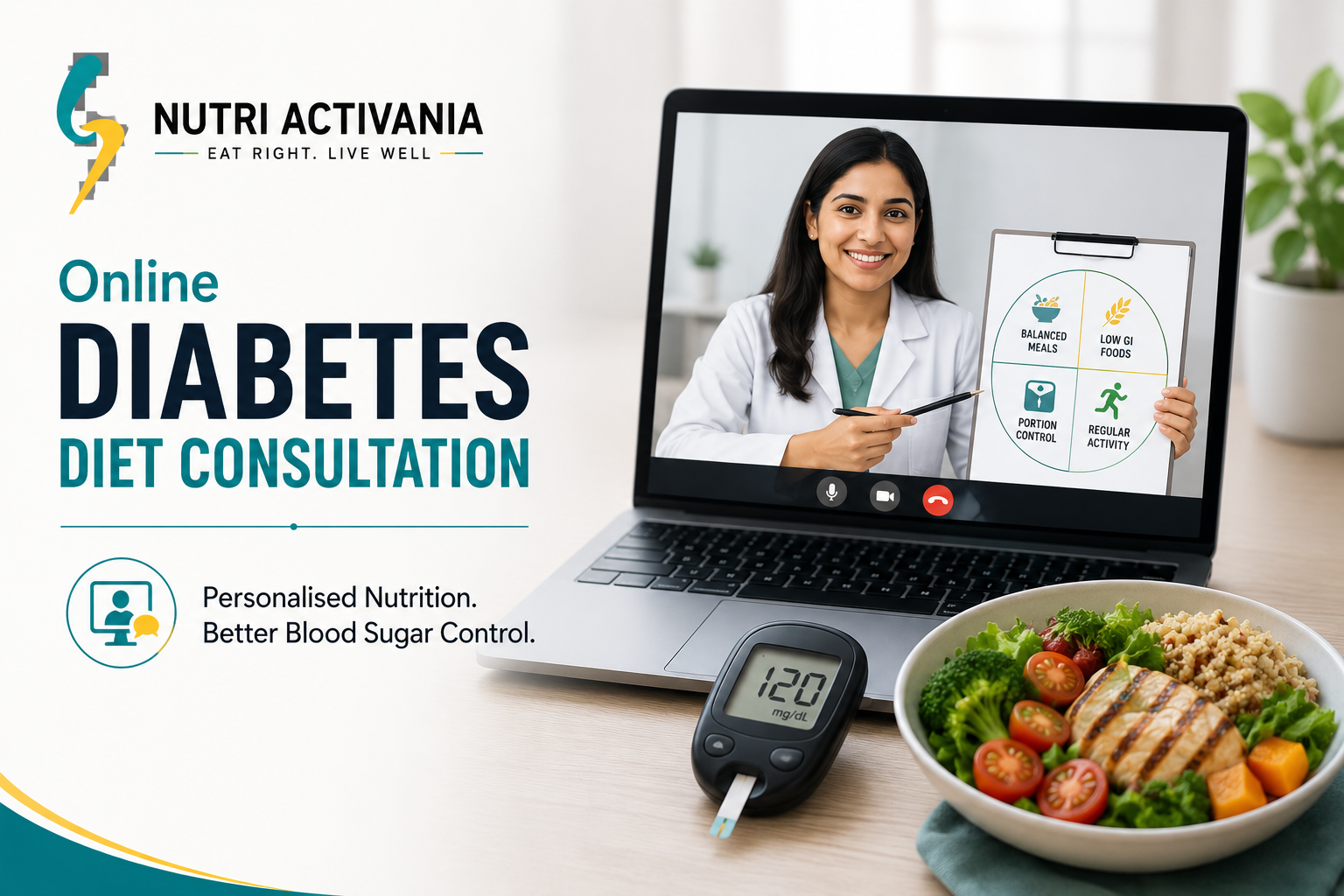
An online diabetes diet consultation is a video-based session with a dietician that creates a personalised eating plan for blood sugar management. Avni Kaul, a dietician in Delhi, offers this service to help patients manage diabetes through food, without visiting a clinic in person.
This consultation suits people newly diagnosed with type 2 diabetes. It also suits people managing prediabetes. It suits anyone whose current diet plan is not working. It suits people who want to reduce their dependency on medication over time, under medical supervision.
Diabetes management is a long-term process. Diet is one of the few factors a patient can control on a daily basis. A structured, personalised consultation turns that daily control into a measurable advantage.
Why Diet Matters in Diabetes Management
Diet directly affects blood sugar levels. Food choices influence glucose response within hours of eating. This makes diet one of the fastest-acting tools available for diabetes management, faster in some respects than medication adjustments, which take longer to show measurable effect.
A well-planned diabetes diet supports several outcomes:
- It reduces sharp blood sugar spikes and crashes.
- It supports healthy weight management.
- It improves insulin sensitivity.
- It may reduce dependency on higher medication doses over time.
- It lowers the risk of complications such as heart disease and nerve damage.
- It improves daily energy levels and reduces fatigue linked to blood sugar fluctuations.
Generic diet charts do not account for individual factors. These factors include age, activity level, medication, cultural food preferences, and existing health conditions. A chart designed for one patient rarely works for another, even when both patients share the same diagnosis. A personalised consultation accounts for all of these variables rather than applying a single template to every patient.
What Happens in an Online Diabetes Diet Consultation
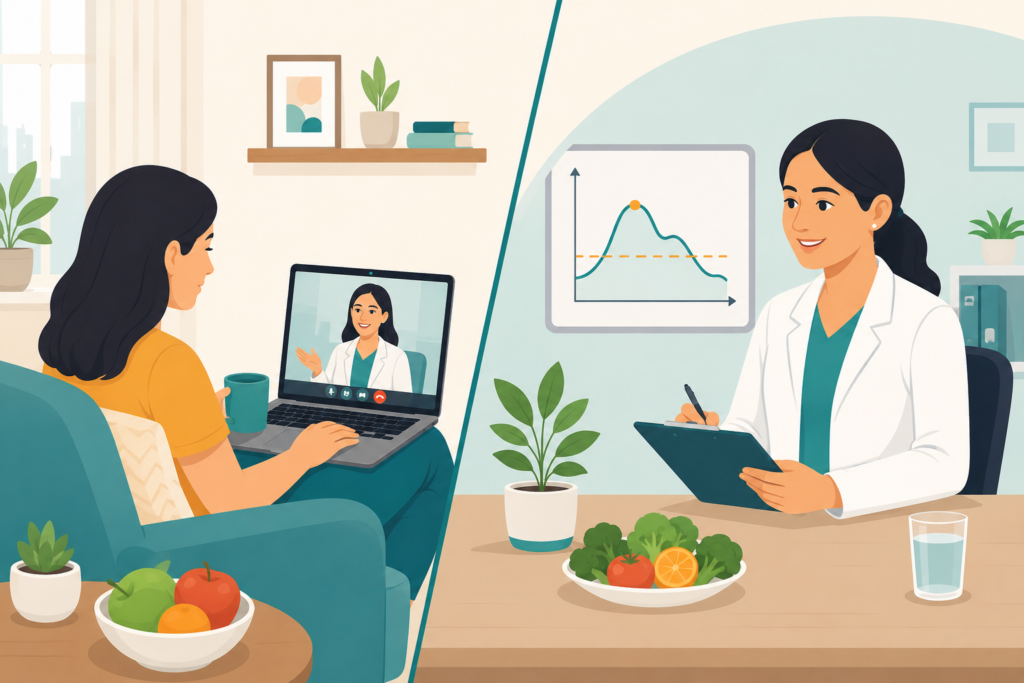
Step 1: Health assessment. The dietician reviews the patient’s medical history. This includes current medication, recent HbA1c results, and blood sugar readings. This step also covers existing conditions such as thyroid disorders or PCOS, since these affect how the body processes food.
Step 2: Meal planning. The dietician builds a diet plan around the patient’s daily routine. The plan includes familiar foods rather than removing them entirely. Shift workers, frequent travellers, and patients observing festival fasts all receive plans adjusted to their specific circumstances.
Step 3: Glycaemic load guidance. The patient learns which foods raise blood sugar quickly. The patient also learns which foods release energy slowly. This includes guidance on portion size, food combinations, and meal timing. Two meals with similar calorie counts can produce very different blood sugar responses depending on these factors.
Step 4: Follow-up sessions. The dietician adjusts the plan based on new blood test results. The dietician also adjusts the plan when medication or lifestyle changes. Diabetes management is not a one-time fix. Follow-up sessions keep the plan aligned with the patient’s current health status.
Step 5: Video consultation. The entire process happens over video call. This removes the need to travel to a clinic. This format suits working professionals, elderly patients, and patients managing multiple health appointments alongside diabetes care.
Foods That Help Manage Diabetes
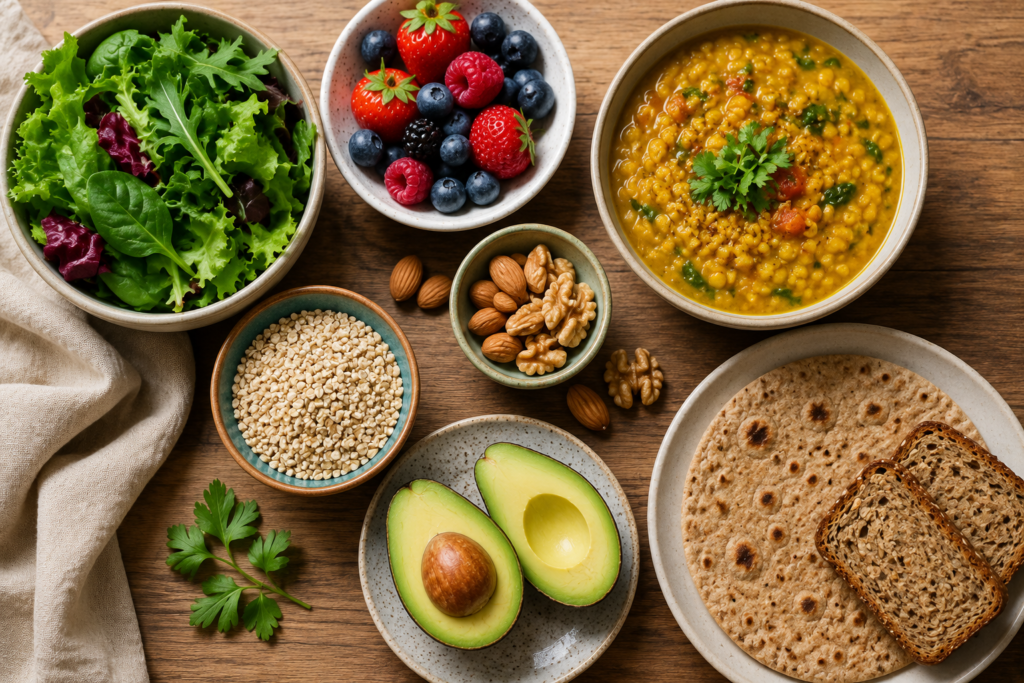
These foods support stable blood sugar:
- High-fibre vegetables, which slow glucose absorption
- Whole grains, which release energy more slowly than refined grains
- Lean protein: dal, paneer, fish, eggs
- Healthy fats: nuts, seeds, cold-pressed oils
- Low-glycaemic fruits, in controlled portions
Fibre plays a particularly important role. It slows down digestion and reduces the speed at which sugar enters the bloodstream. This is why whole foods generally produce a more stable blood sugar response than processed alternatives, even when the calorie count is similar.
Foods to Limit for Diabetes Management
These foods raise blood sugar quickly and should be limited:
- Refined carbohydrates
- Sugary beverages
- Deep-fried foods
- White rice and refined flour, in large portions
- Packaged sauces and snacks with hidden sugar
Hidden sugar is a common problem. Many packaged sauces, ready-to-eat snacks, and even some savoury products contain sugar well down the ingredients list. A diabetes diet consultation typically includes label-reading guidance so patients can identify these hidden sources themselves.
Who Should Book an Online Diabetes Diet Consultation
This consultation suits the following people:
- People newly diagnosed with type 2 diabetes
- People managing prediabetes who want to prevent progression
- People managing diabetes alongside PCOS, thyroid disorders, or high cholesterol
- People whose current diet plan is not producing results
- Pregnant women managing gestational diabetes, with medical clearance
- People who travel frequently and struggle to maintain a consistent diet
Each of these groups requires a different approach. A pregnant woman managing gestational diabetes has different nutritional requirements to a middle-aged patient managing long-term type 2 diabetes. This is another reason generic diet charts are less effective than a personalised consultation.
Why Choose Avni Kaul for Diabetes Nutrition Guidance
Avni Kaul is a Gold Medallist from the University of Delhi. She received the Best Dietician Award in 2019. She builds diet plans around Indian food habits rather than removing them. Patients are not asked to give up dal-chawal, rotis, or festival meals altogether. Instead, portion sizes, combinations, and timing are adjusted so these foods fit within a diabetes-friendly framework.
This approach tends to produce better long-term adherence. Diet plans that eliminate familiar foods completely are harder to sustain. Diet plans that adapt familiar foods are easier to follow for years, not just weeks.
Conclusion
Diabetes management through diet works best as a series of small, consistent changes. An online diabetes diet consultation provides personalised guidance for these changes. It removes the need for clinic visits. It accounts for medical history, daily routine, and food preferences rather than applying a generic chart. Booking a consultation is a practical first step for anyone struggling to manage blood sugar through diet alone.
Frequently Asked Questions
How long does an online diabetes diet consultation take?
The first session lasts 45 minutes to one hour. This includes a review of medical history, current medication, and recent blood sugar readings.
Can diet alone control type 2 diabetes?
Diet and activity can significantly improve blood sugar control in early-stage type 2 diabetes and prediabetes. Medication decisions should always be made with a treating physician.
How soon can I expect results?
Energy levels and blood sugar stability often improve within a few weeks. HbA1c improvements are usually assessed after three months of consistent dietary changes.
Do I need recent blood test reports before the consultation?
Yes. Recent HbA1c and blood sugar readings help create an accurate diet plan from the first session, rather than relying on estimates.
Is an online consultation as effective as an in-person visit?
Yes. Diet planning relies on discussion, assessment, and follow-up rather than physical examination, so online consultations are equally effective and often more convenient for patients with busy schedules.
Does the diet plan include Indian food?
Yes. Plans are built around familiar Indian staples, adjusted for portion size and timing, rather than replacing them with unfamiliar alternatives.