
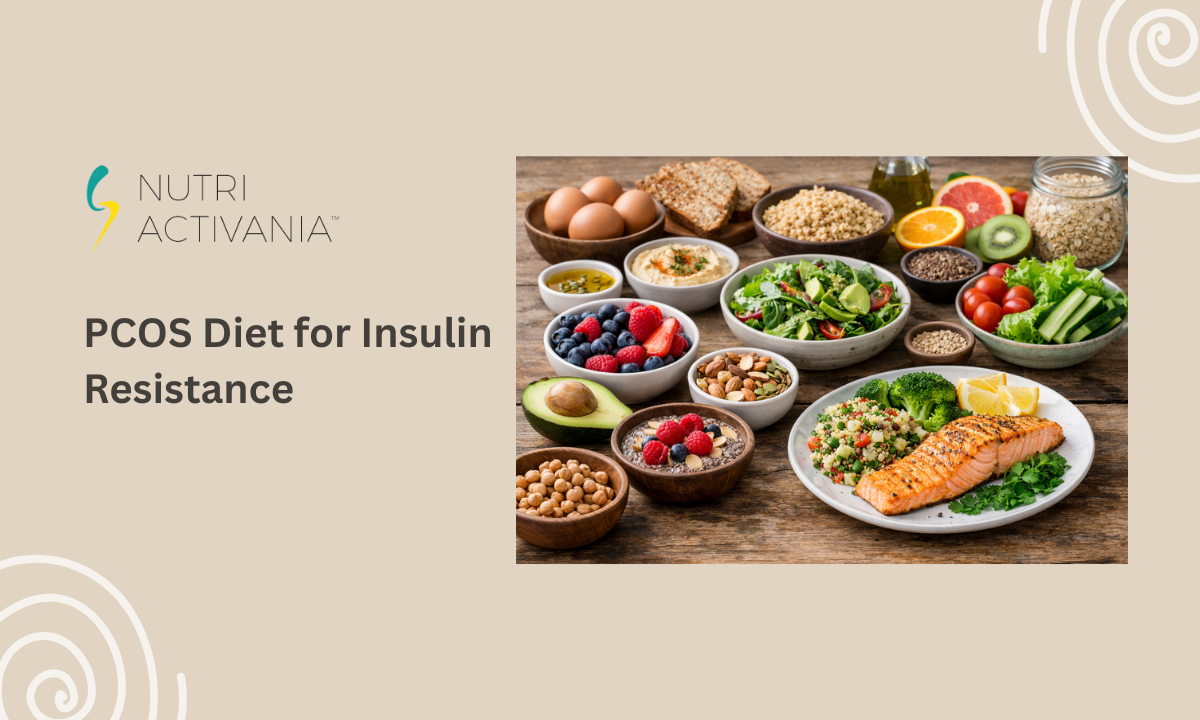
Insulin resistance is one of the most common and misunderstood drivers of PCOS. Many women struggle with weight gain, cravings, irregular periods, and fatigue despite eating “normally” because their bodies do not respond to insulin effectively.
At Nutri Activania, PCOS nutrition plans are designed by Dt. Avni Kaul focuses on improving insulin sensitivity first, because hormonal balance and weight loss are difficult without addressing this root cause.
This page supports the broader PCOS framework including:
PCOS Weight Loss Diet Plan and practical food guidance from
Foods to Eat in PCOS (Indian Diet)
What Is Insulin Resistance in PCOS
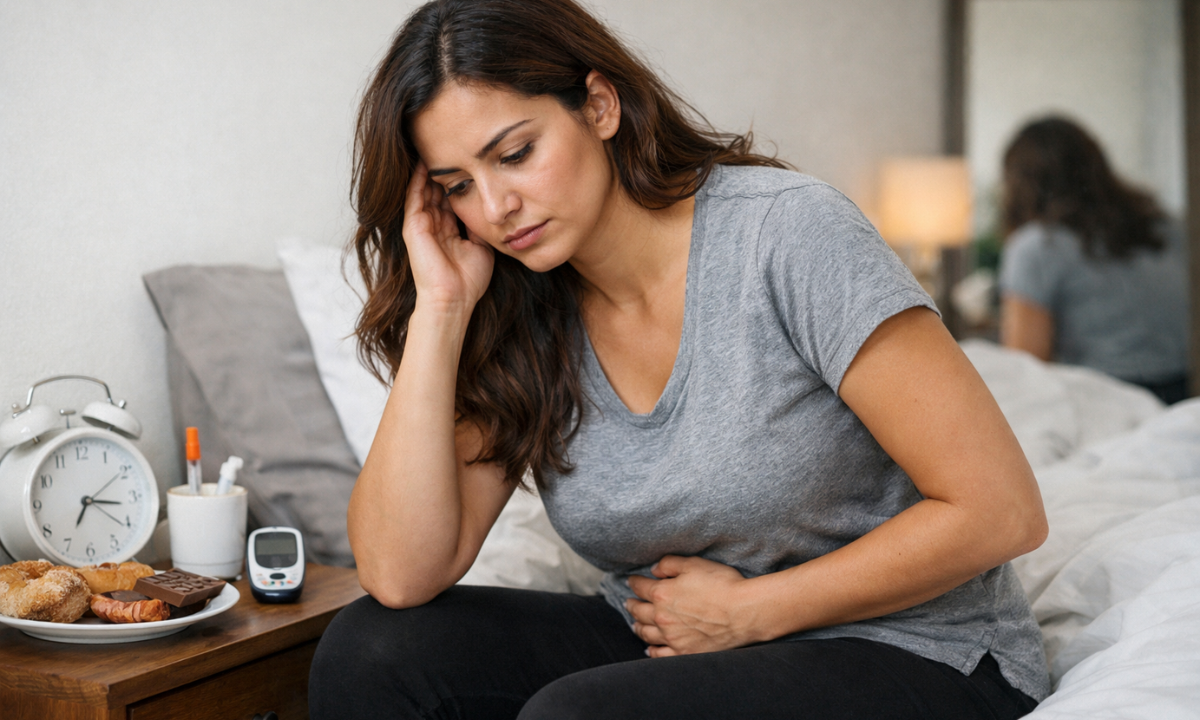
Insulin is a hormone that helps move glucose from the blood into cells for energy. In insulin resistance, the body’s cells stop responding efficiently to insulin, causing the pancreas to produce more insulin to compensate.
In women with PCOS, high insulin levels can:
- Increase fat storage, especially around the abdomen
- Stimulate excess androgen (male hormone) production
- Disrupt ovulation and menstrual cycles
- Increase sugar cravings and fatigue
Even women with PCOS who are not overweight may have insulin resistance, according to Dt. Avni Kaul, this is why many women struggle to lose weight despite controlling their calories.
Unless insulin resistance is managed, PCOS symptoms often persist regardless of diet or exercise effort.
Low-GI Indian Foods List
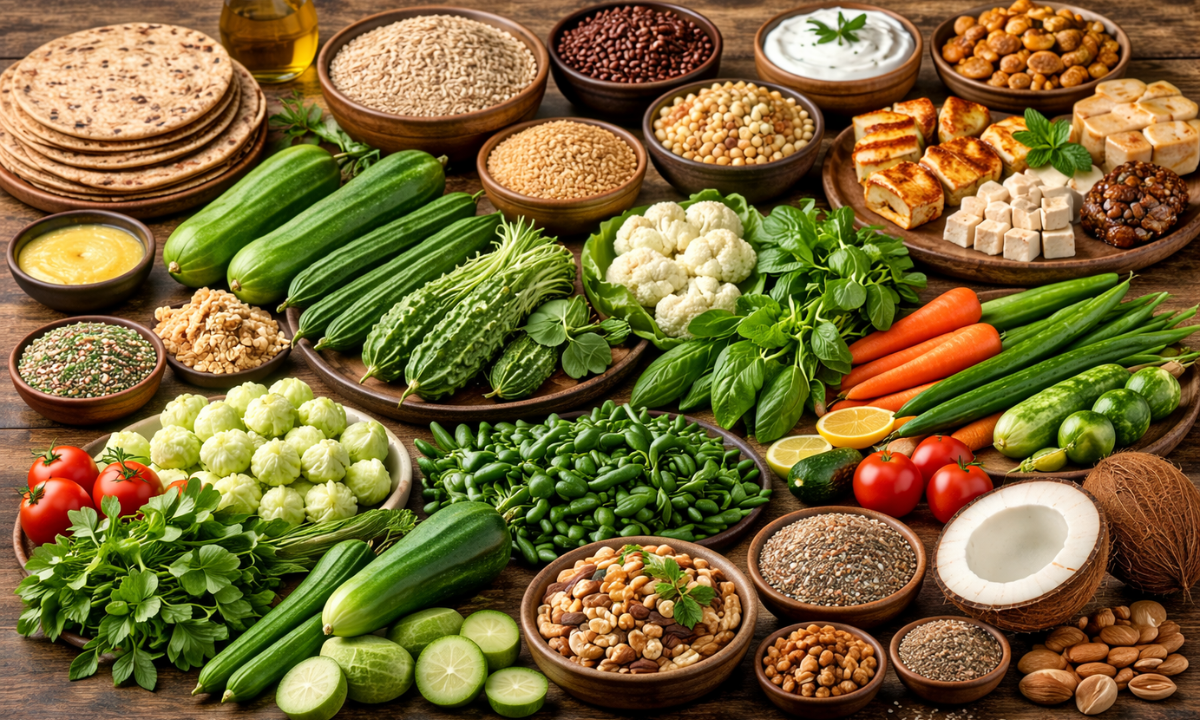
A low-glycemic (low-GI) diet helps slow glucose absorption, reduce insulin spikes, and improve metabolic response. This is a cornerstone of insulin-resistant PCOS management at Nutri Activania.
Low-GI Carbohydrate Options
- Multigrain or atta roti
- Hand-pounded or parboiled rice (small portions)
- Millets such as jowar, bajra, and ragi
- Oats
Vegetables (Base of Every Meal)
- Lauki, tori, tinda
- Bhindi, karela
- Cabbage, cauliflower
- Beans, carrot, cucumber
- Palak, methi, sarson
Protein Sources
- Dal, chana, rajma
- Paneer and tofu (moderate portions)
- Curd or Greek yogurt
- Eggs
- Chicken and fish
Healthy Fats
- Nuts and seeds
- Limited ghee
- Mustard or groundnut oil
- Coconut in moderation
These foods form the base of the Foods to Eat in PCOS (Indian Diet) and are adapted individually based on tolerance and lifestyle.
Meal Spacing and Timing
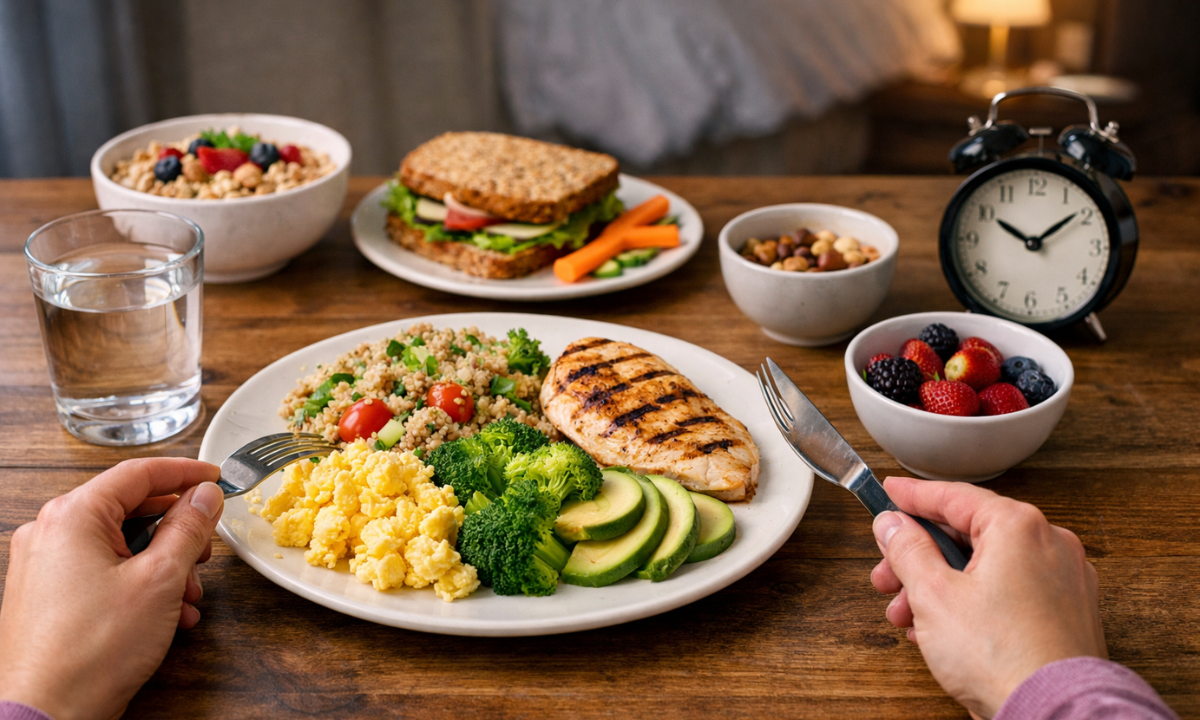
In insulin-resistant PCOS, when you eat matters almost as much as what you eat.
According to Dt. Avni Kaul, long gaps between meals or erratic eating patterns worsen insulin spikes and cravings.
Recommended meal structure includes:
- Eating every 3 to 4 hours
- Avoiding meal skipping
- Finishing dinner at least 2–3 hours before sleep
- Distributing carbohydrates earlier in the day
Balanced meal spacing helps:
- Prevent sudden sugar crashes
- Reduce hunger-driven overeating
- Improve energy and focus
- Support weight loss over time
Proper timing is also a key part of the sustainable results seen in the PCOS Weight Loss Diet Plan
What Nutri Activania Avoids in PCOS Diets
Managing insulin resistance is not only about adding the right foods, but also about reducing triggers that worsen insulin response.
According to Dt. Avni Kaul, the following are avoided or limited in PCOS diets:
- Refined sugar and sweets
- Sugary beverages and packaged juices
- Maida-based foods such as white bread and bakery items
- Highly processed snacks
- Excess fried foods
- Extreme low-carb or crash diets
These foods cause repeated insulin spikes, increase inflammation, and slow metabolic recovery.
A detailed breakdown is available here: Foods to Avoid in PCOS
How Insulin Resistance Affects Weight Loss
Insulin resistance directly blocks fat loss by signaling the body to store energy rather than burn it. This is why many women with PCOS experience:
- Easy weight gain
- Difficulty losing fat
- Belly fat accumulation
Once insulin levels begin to stabilize through diet and lifestyle changes, the body becomes more responsive to weight-loss efforts.
This is why insulin-focused nutrition is the foundation of the PCOS Weight Loss Diet Plan
Common Mistakes Women Make
According to Dt. Avni Kaul, insulin resistance often worsens when women:
- Skip meals to reduce calories
- Follow unsupervised keto or extreme low-carb diets
- Overdo cardio while under-eating
- Rely on packaged “healthy” foods
- Ignore sleep and stress
These habits increase cortisol and further impair insulin sensitivity.
Improvement requires consistent, balanced nutrition, not aggressive restriction.
FAQs – PCOS Diet for Insulin Resistance
Q: Can insulin resistance be reversed in PCOS?
Yes. With the right diet, lifestyle changes, and consistency, insulin sensitivity can improve significantly.
Q: Do I need to stop eating rice completely?
No. Portion control, food pairing, and timing are more important than elimination.
Q: Is insulin resistance present in lean PCOS?
Yes. Even women who are not overweight can have insulin resistance.
Q: How soon can I see improvement?
Many women notice reduced cravings and better energy within 3–6 weeks.
Need a Personalized Insulin-Resistance–Focused PCOS Plan?
Insulin resistance varies in severity and needs individual assessment. A personalized approach considers:
- Symptoms
- Weight history
- Lifestyle
- Food preferences
Consult Dt. Avni Kaul at Nutri Activania through: PCOS Weight Loss Diet Plan and explore food choices here: Foods to Eat in PCOS (Indian Diet)