

Managing PCOS is not only about what to eat, but also about what to limit or avoid consistently. Certain foods worsen insulin resistance, hormonal imbalance, inflammation, and weight gain, making PCOS symptoms harder to control.
At Nutri Activania, PCOS nutrition plans designed by Dt. Avni Kaul focus on reducing trigger foods gradually, not through extreme restriction. The goal is hormonal balance and metabolic health, not temporary dieting.
This page supports the complete PCOS framework including:
PCOS Diet Plan for Indian Women
Why Certain Foods Worsen PCOS
PCOS is closely linked with:
- Insulin resistance
- Chronic low-grade inflammation
- Hormonal imbalance (high androgens)
Foods that cause frequent blood sugar spikes or inflammation can:
- Delay weight loss
- Worsen acne and hair fall
- Disrupt ovulation and periods
- Increase cravings and fatigue
According to Dt. Avni Kaul, avoiding or limiting these foods improves PCOS outcomes faster than focusing on calorie reduction alone.
Refined Sugar and Sugary Foods

Refined sugar is one of the biggest triggers for PCOS symptoms.
Common Indian sources include:
- Sweets, mithai, laddoos
- Cakes, pastries, biscuits
- Chocolates
- Sweetened beverages and packaged juices
- Flavored yogurts
Excess sugar:
- Spikes insulin levels
- Worsens insulin resistance
- Increases androgen production
- Triggers acne and weight gain
Complete elimination is not required, but regular and mindless consumption delays hormonal recovery.
Sugar control is especially important if insulin resistance is present. A detailed explanation is available on
PCOS Diet for Insulin Resistance
Refined Carbohydrates and Maida-Based Foods
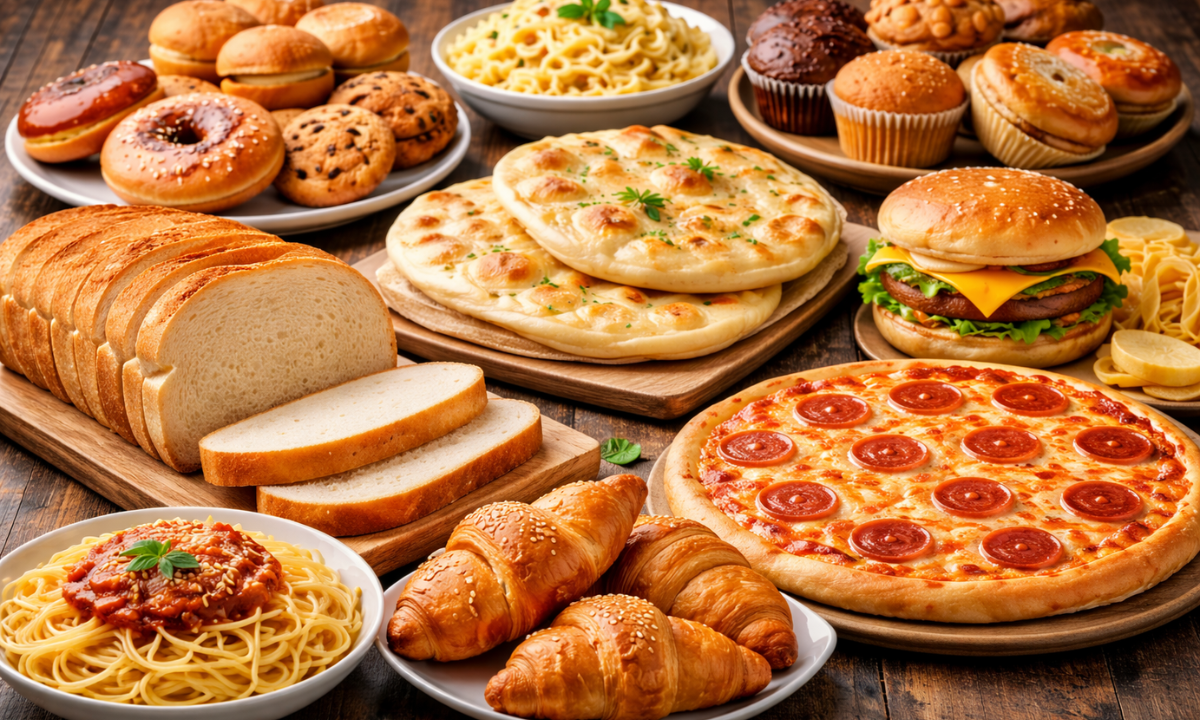
Refined carbohydrates digest quickly and cause sharp blood sugar rises.
Foods to limit include:
- White bread
- Maida roti, naan, kulcha
- Pizza base, burgers
- Pasta made with refined flour
- Bakery snacks
These foods:
- Increase insulin demand
- Promote fat storage
- Worsen cravings and hunger cycles
Replacing refined carbs with whole grains is a key part of the PCOS Diet Plan for Indian Women
Deep-Fried and Highly Processed Foods
Frequent consumption of fried foods increases inflammation and weight gain in PCOS.
Foods to limit:
- Pakoras, samosas
- Poori, bhatura
- Chips, namkeen
- Fast food and packaged snacks
These foods are often:
- High in unhealthy fats
- Low in fibre and nutrients
- Addictive and calorie-dense
Occasional consumption is acceptable, but daily intake slows hormonal improvement.
Sugary Drinks and Liquid Calories
Liquid calories raise blood sugar rapidly without providing satiety.
Common examples:
- Cold drinks and sodas
- Sweetened tea and coffee
- Energy drinks
- Packaged fruit juices
These drinks:
- Spike insulin quickly
- Increase abdominal fat
- Worsen fatigue and cravings
Switching to water, infused water, or unsweetened beverages is strongly recommended.
Excess Dairy (Case-Specific)
Dairy affects women with PCOS differently. While moderate curd or paneer can be included, excessive intake may worsen symptoms in some women.
Dairy items to limit if symptoms persist:
- Full-fat milk in large quantities
- Flavored milk
- Ice cream
- Processed cheese
In sensitive individuals, excess dairy may:
- Increase acne
- Worsen inflammation
- Affect hormonal balance
Dairy tolerance is assessed individually during personalized planning at Nutri Activania – Dietician in Delhi
Highly Processed “Healthy” Foods
Many packaged foods marketed as healthy are not PCOS-friendly.
Examples include:
- Protein bars with added sugar
- Diet biscuits
- Low-fat packaged snacks
- Ready-to-eat meals
Despite healthy labels, these foods often contain:
- Hidden sugars
- Refined oils
- Preservatives
Whole foods are always preferred in PCOS management.
Alcohol (If Consumed Frequently)
Regular alcohol consumption can:
- Worsen insulin resistance
- Affect liver detoxification
- Disrupt hormone metabolism
If consumed, alcohol should be:
- Occasional
- Limited in quantity
- Avoided during active weight-loss or fertility-focused phases
Common Mistakes Women Make While Avoiding Foods
According to Dt. Avni Kaul, PCOS management fails when women:
- Remove entire food groups abruptly
- Follow extreme no-carb or keto diets
- Skip meals to compensate for “bad foods”
- Develop fear around eating
PCOS improves with balanced, consistent nutrition, not punishment-based dieting.
FAQs – Foods to Avoid in PCOS
Q: Do I need to completely stop sugar in PCOS?
No. Occasional, planned intake is acceptable. Daily consumption delays progress.
Q: Is rice completely banned in PCOS?
No. Portion control and timing matter more than elimination.
Q: Are fried foods completely forbidden?
No. Frequency matters more than occasional intake.
Q: Should everyone with PCOS stop dairy?
No. Dairy tolerance varies and is assessed individually.
What to Do Instead of Only Avoiding Foods
Avoidance alone does not manage PCOS effectively. Food choices must be replaced with better alternatives and supported by:
- Adequate protein
- High fibre intake
- Proper meal timing
- Sustainable habits
These strategies are explained in detail in the
PCOS Diet Plan for Indian Women
Need a Personalized PCOS Diet Plan?
Generic food lists can guide you, but PCOS improves fastest with a plan customized to your:
- Symptoms
- Insulin resistance
- Weight goals
- Lifestyle
Consult Dt. Avni Kaul at Nutri Activania through: PCOS Dietician in Delhi – Nutri Activania