
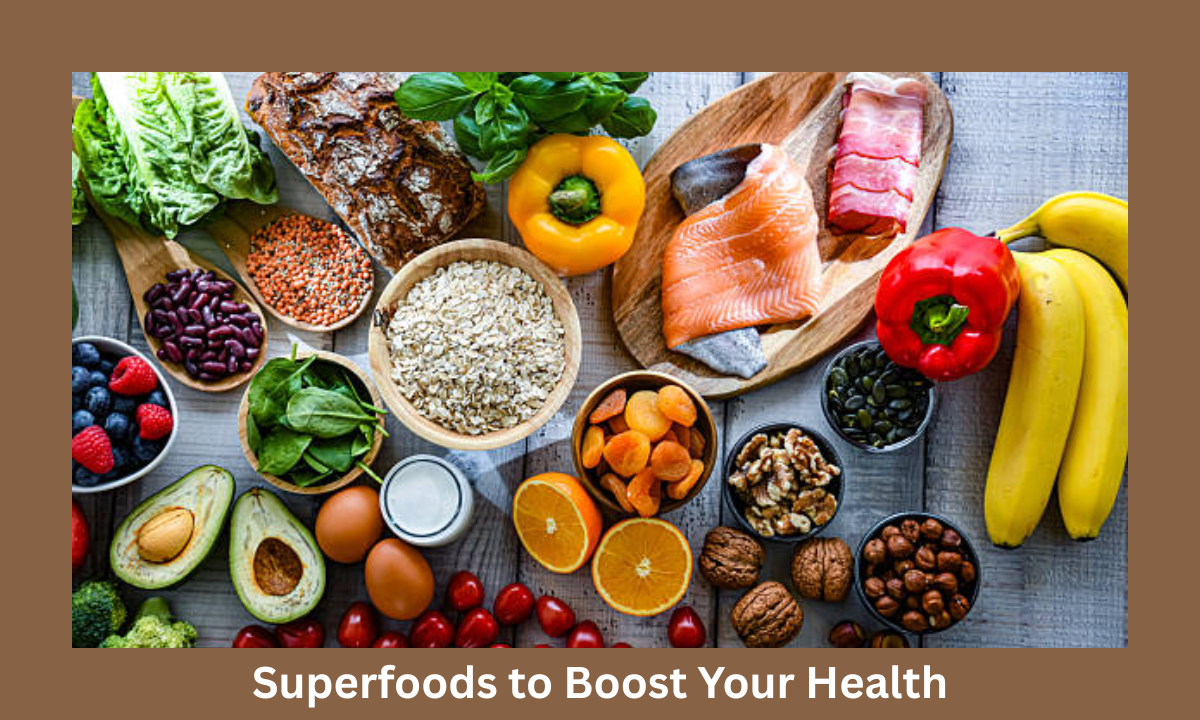
As a lead dietician at Nutri Activania, I, Avni Kaul, often hear clients ask, “Which foods should I focus on to get the biggest health payoff?” That’s exactly why today I’m excited to share with you the top 10 superfoods—and how they can support your brain, help with weight loss, boost immunity, and more. Let me walk you through each one, its benefits, and how to include them in your diet.
Berries
Rich in antioxidants, fiber, and phytochemicals, berries are one of the signature entries on superfoods lists from trusted sources like Harvard.
Why they matter:
- For the brain: They help reduce oxidative stress in neurons and support cognitive function.
- For weight loss: Low in calories but high in fiber, they promote fullness.
- Immune boost: Many berries (like strawberries, blueberries) are rich in vitamin C.
How to include them in India: Use fresh or frozen strawberries, blueberries, and raspberries. Add to smoothies, oatmeal, yogurt, or as toppings.
Leafy Greens
Spinach, kale, Swiss chard, mustard greens, all of these dark leafy greens are nutrient-dense.
Benefits:
- Rich in vitamins A, C, K, calcium and magnesium.
- Support detox pathways and cellular health.
- Help with weight-loss efforts by being very low in calories but high in fiber.
Tip for India: Use local greens like spinach (palak), methi, fenugreek, or fenugreek leaves in your curries, stir-fry them, or make green smoothies.
Nuts
Hazelnuts, walnuts, almonds, pecans, etc., are staples in many global superfood lists. Why they’re powerful:
- Deliver healthy monounsaturated fats, some omega-3s (especially walnuts).
- Good source of plant protein, fiber, and micronutrients (magnesium, vitamin E).
- Support brain health via healthy fats; help sustain satiety for weight control.
In India: Use almonds, cashews, pistachios, and walnuts. Eat a small handful daily or sprinkle chopped nuts on your breakfast.
Olive Oil
Not always part of the “traditional Indian diet,” but olive oil earns a place in superfood rankings for its monounsaturated fats, polyphenols, and vitamin E.
Health perks:
- Heart protection, reduced inflammation.
- Helps the absorption of fat-soluble vitamins when dressing salads or drizzling on cooked veggies.
Use it wisely: Use extra virgin olive oil as a finishing oil over cooked dishes, or for light sautéing (avoid high-heat frying with it).
Whole Grains
Brown rice, oats, quinoa, millets, these are staple “good carbs.” Harvard’s superfood list includes whole grains as a pillar.
Why they count:
- Rich in soluble and insoluble fiber, B-vitamins, and minerals.
- Aid digestion, stabilize blood sugar, reduce cholesterol risk.
- In weight loss, fiber helps control hunger.
In Indian meals: Replace white rice with brown rice or millets; use whole-wheat rotis, oats as breakfast; mix in quinoa or broken wheat (dalia).
Yogurt / Fermented Dairy
One reason yogurt appears in superfood lists is its probiotic power plus calcium and protein.
How it helps:
- Gut health: beneficial bacteria support digestion and immune function.
- Supports weight loss: protein helps keep you full.
- Brain-gut axis: healthy gut flora may influence mood and cognition.
Tip: Choose plain, unsweetened yogurt or curd (dahi). Add fresh fruit, nuts, or seeds. Use it as a base for raita or smoothies.
Cruciferous Vegetables
These include broccoli, cauliflower, cabbage, Brussels sprouts, collard greens, etc.
Their magic:
- Rich in fiber, vitamins, and unique phytochemicals (indoles, glucosinolates) that support detox and may reduce cancer risk.
- Good for weight loss: low-calorie bulk food.
In India, use cauliflower (gobi), cabbage, broccoli in stir-fries, curries, mixed vegetable dishes, or roasted with spices.
Legumes
Beans, lentils, chickpeas, peas, soybeans, all powerhouses of plant protein + fiber.
Why they’re essential:
- Keep you full, support digestive health, and help regulate blood sugar.
- For weight-loss: protein + fiber combos are ideal.
- Immune system support via micronutrients (zinc, folate).
Indian staples: Moong dal, masoor dal, chickpeas (chana), kidney beans (rajma), black gram (urad). Make soups, chutneys, stews, and curries.
Tomatoes
Often undervalued, tomatoes are rich in vitamin C, lycopene, and other antioxidants.
Benefits:
- Lycopene helps protect against certain cancers and cardiovascular disease.
- Better bioavailability when cooked with healthy fats (e.g. olive oil).
Use: In chutneys, soups, sauces, curries, salads. Combine with olive oil or nuts to boost absorption.
Fatty Fish / Omega-3 Rich Fish
Salmon, mackerel, sardines, trout: these fish are valued for their omega-3 fatty acids (EPA, DHA).
Why it’s a superfood:
- Supports brain health, reduces inflammation, and supports heart health.
- May aid in weight regulation via metabolic benefits.
In India: Fish like mackerel, sardines, Indian salmon (if available) or coastal fish. Use grilled, steamed, or in curries rather than deep-fried.
How to Combine These Superfoods Smartly
- Focus on diversity: There’s no single food that does it all. Combining berries + nuts + yogurt + greens gives broader benefits.
- Consider Indian availability: Many of these superfoods or their local equivalents are available in Indian markets—make the best of what’s accessible.
- Mind portion sizes: Especially nuts, grains, and fish—nutrient-dense foods can add up in calories if overdone.
- Pair wisely: e.g., tomato + olive oil, yogurt + berries, fish + greens help absorption and synergistic effects.
- Rotate your diet: Don’t rely on 2–3 “superfoods.” Rotate legumes, fish, vegetables, and nuts over the week to cover more nutrients.
Wrapping Up
As a lead dietician at Nutri Activania, I, Avni Kaul, have watched individuals transform their health by weaving in the top 10 superfoods into balanced, sustainable diets. These foods are not magic bullets, but they are powerful allies when used consistently and intelligently.
When you incorporate superfoods for the brain, superfoods for weight loss, and superfoods that boost your immune system, you are not just chasing trends; you are investing in your long-term vitality. And because I understand the Indian context, I always emphasize superfoods in India or local versions so your diet is grounded, affordable, and effective.
At Nutri Activania, I guide clients through choosing, combining, and customizing these superfoods in their meals, tailoring plans, monitoring progress, and adjusting as life evolves. I stand by you in this journey toward holistic health.
FAQs
Q1: What exactly defines a “superfood”?
“Superfood” is not a regulated scientific term. It’s a popular way to highlight foods rich in beneficial nutrients (antioxidants, fiber, healthy fats). According to Harvard’s “Superfoods or Superhype?” article, the label often arises from marketing as much as science.
Q2: Can I eat only these 10 superfoods and skip everything else?
No. Superfoods supplement, but do not replace a balanced diet. Variety is key to getting all essential nutrients.
Q3: Are superfoods expensive for people in India?
While some superfoods imported abroad can cost more, many local equivalents (nuts, legumes, leafy greens, millets, fish) deliver similar benefits. Part of my work as a dietician is helping clients find “superfood swaps” that suit their budgets.
Q4: How many servings of these superfoods should I aim for?
Aim for at least 2–3 servings of vegetables, 1–2 servings of fruits (berries), a small handful of nuts, and 1–2 portions of fish or legumes throughout your day, or as per your personalized nutrition plan.
Q5: Can superfoods help with weight loss or immunity alone?
They help as part of a holistic diet, combined with physical activity, adequate sleep, and stress management. They support metabolism, inflammation control, and antioxidant defense, but are not miracle pills.