
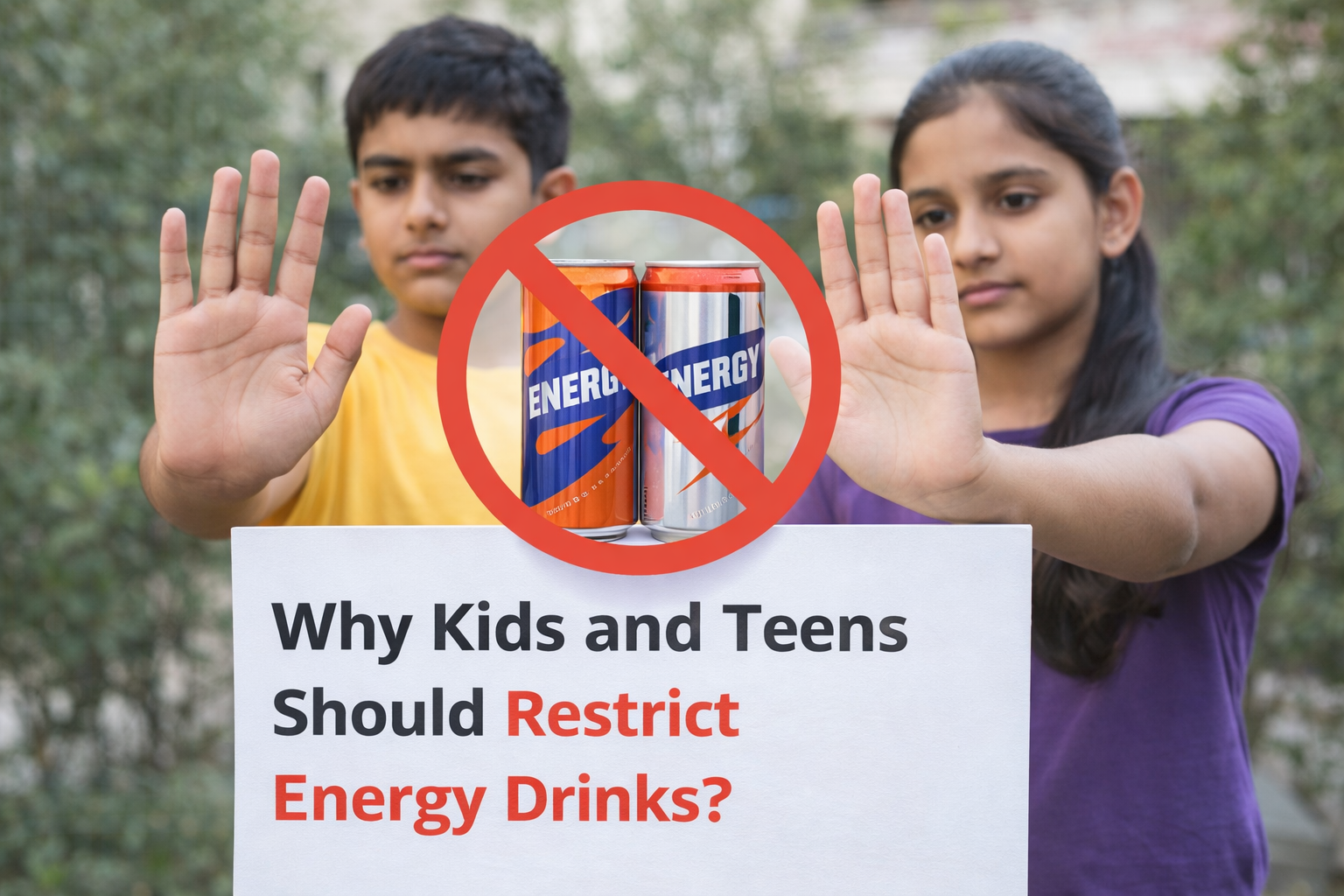
In today’s fast-paced world, energy drinks have become popular among students and athletes seeking a quick boost in energy and alertness. While these beverages are often marketed as a convenient solution to fatigue, they pose serious health risks, especially for children and teenagers opines one of the leading Dietician and child nutritionist in Delhi
What Are Energy Drinks?
Energy drinks are beverages loaded with stimulants like caffeine, sugar, and additives such as guarana, taurine, and L-carnitine. These ingredients are designed to increase energy levels, alertness, and focus. However, for children and teens, whose bodies are still developing, these ingredients can have harmful effects.
While tea, coffee, and soft drinks also contain caffeine, energy drinks often have much higher amounts. For example, an 8-ounce coffee contains 95–200 mg of caffeine, while a 2-ounce energy shot may contain around 200 mg. Consuming high levels of caffeine can lead to serious health issues, especially when combined with the high sugar content found in many energy drinks.
For What Reasons Kids and Teens Should Restrict Energy Drinks?
Being a child nutritionist Avni Kaul says, there is not one or two reasons to restrict energy drinks for kids or teens but there are multiple issues that may harm their health. These are.
Too Much Sugar
Energy drinks contain excessive amounts of sugar, often up to 28 grams per serving. This can lead to obesity, type 2 diabetes, and heart disease later in life. The sharp spike in blood sugar from these drinks results in an energy crash,leaving kids more fatigued. Excess sugar is also linked to oxidative stress, inflammation, and various chronic diseases.
High Caffeine Content
Energy drinks typically contain 80 mg to 500 mg of caffeine per serving, far exceeding safe limits for kids and teens. While caffeine boosts alertness, too much can lead to increased heart rate, jitters, insomnia, and a crash in energy levels. Regular consumption can cause dependence, making it difficult to break the habit, and withdrawal symptoms like headaches and mood swings may follow. Caffeine addiction may also lead to experimentation with other harmful substances.
Affects Mental Health
Excessive consumption of energy drinks can negatively impact kids’ and teens’ mental health. High caffeine content can cause headaches, anxiety, insomnia, and mood swings. Ingredients like guarana and taurine can damage nerve cells, and regular energy drink use has been linked to ADHD, depression, and behavioral problems. Sleep disturbances from these drinks also affect academic performance and social relationships.
Harmful to the Digestive System
Energy drinks can disrupt gut health by reducing the diversity of beneficial bacteria, leading to digestive issues like inflammation. This can weaken the immune system, making children and teens more susceptible to health problems.
Liver Damage
Energy drinks containing niacin have been associated with liver injuries, especially in teens and kids with pre-existing conditions. Excessive consumption can lead to serious liver-related health problems.
Kidney Issues
Energy drinks increase urine production and can cause dehydration, particularly during hot weather or intense exercise. Long-term use of these drinks may lead to kidney damage in teens and kids.
Dental Erosion
The high sugar content and low pH levels in energy drinks contribute to dental erosion. Over time, this can lead to sensitive teeth, causing discomfort when eating hot, cold, or acidic foods.
Kids and teens should restrict energy drinks due to their high sugar, caffeine, and harmful additives that can negatively affect both physical and mental health. Opting for healthier alternatives is crucial for their long-term well-being.