
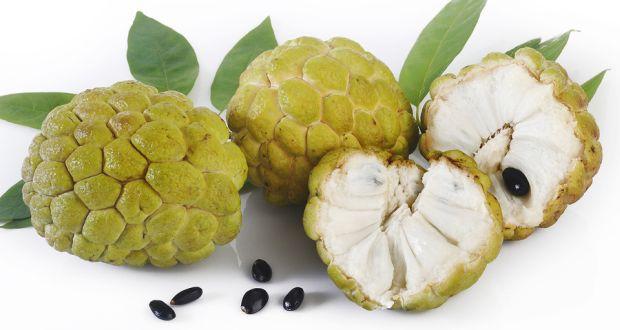
Sharifa fruit, also known as custard apple or sitaphal in India, is a sweet tropical fruit with creamy flesh and a distinctive green, scaly exterior. Its naturally sweet flavour makes it popular for eating fresh and preparing smoothies, shakes, and homemade desserts.
Sharifa fruit provides carbohydrates, dietary fibre, and several vitamins and minerals that contribute to overall nutritional intake. However, it also contains natural sugars, so portion size is worth considering if you are managing your blood glucose or daily calorie intake.
Understanding the nutritional value of sharifa fruit, its potential health benefits, possible side effects, and how to eat it safely can help you include this seasonal fruit in a balanced diet.
What Is Sharifa Fruit?
Sharifa and sitaphal are commonly used in India for custard apple. The name sugar apple often refers specifically to Annona squamosa, although common names can vary by region and may be used differently for related fruits in the Annona genus.
The fruit generally has green, textured skin, soft white flesh, and dark seeds. Its creamy consistency and sweet flavour make it suitable for eating fresh or adding to homemade recipes.
When ripe, the flesh becomes soft and easy to scoop out. The seeds should always be removed before eating or preparing the fruit.
Sharifa Fruit Nutrition Per 100 g
Custard apple provides carbohydrates, naturally occurring sugars, dietary fibre, and small amounts of protein and fat. Its precise nutritional composition depends on the species, variety, ripeness, and edible portion.
The following table provides approximate nutrition values from USDA data for raw bullock’s-heart custard apple, identified as Annona reticulata. These figures should not be treated as definitive values for Annona squamosa (sugar apple) without a matching food-composition entry.
| Nutrient | Approximate amount per 100 g edible portion |
|---|---|
| Energy | 101 kcal |
| Carbohydrates | 25.2 g |
| Dietary fibre | 2.4 g |
| Protein | 1.7 g |
| Fat | 0.6 g |
Source: USDA FoodData Central, SR Legacy entry for raw custard apple (Annona reticulata), bullock’s-heart.
These figures refer to the edible portion, not the entire fruit, including its skin and seeds. Nutritional values for sharifa may differ depending on the species and variety.
The carbohydrate content is particularly relevant for people managing diabetes. The amount consumed depends on the serving size, so a larger portion will generally provide more calories and carbohydrates.
5 Potential Benefits of Sharifa Fruit
Sharifa fruit can contribute useful nutrients to a varied diet. However, its benefits should be understood in the context of overall eating habits rather than as evidence that the fruit treats or prevents specific diseases.
1. May Support Digestive Regularity
Custard apple provides dietary fibre, which contributes to normal bowel function and digestive health.
Fibre helps support regular bowel movements as part of a diet that includes sufficient fluids and a variety of fibre-containing foods. A 100 g serving of the bullock’s-heart variety provides approximately 2.4 g of fibre according to the nutrition data referenced above.
Although this contributes to daily fibre intake, custard apple should not be considered an exceptionally high-fibre food. Vegetables, legumes, whole grains, nuts, seeds, and other fruits can also help you meet your daily fibre needs.
2. Provides Vitamin C, Potassium and Magnesium
Custard apple can contribute to your intake of vitamins and minerals. Vitamin C supports normal immune function and collagen formation, while potassium and magnesium contribute to normal muscle and nerve function.
The exact amounts supplied by custard apple depend on the variety and serving size. Verify the vitamin and mineral values against a reliable food-composition database before making specific numerical claims about sharifa.
Eating a variety of fruits and vegetables is a practical way to obtain different micronutrients as part of a balanced diet.
3. Contributes to Overall Nutrient Intake
Including different fruits in your diet can help increase the variety of nutrients you consume.
Sharifa provides carbohydrates, dietary fibre, and some micronutrients. These contribute to overall nutritional intake when the fruit is eaten alongside other nutrient-rich foods.
However, no single fruit provides every nutrient the body needs. A varied diet that includes vegetables, whole grains, legumes, protein-rich foods, and different fruits is a more effective approach to meeting nutritional requirements.
4. Provides Natural Energy
Custard apple contains carbohydrates, including naturally occurring sugars, which provide energy.
Its sweet taste makes it a convenient fruit option for snacks and meals. You can eat the fresh flesh on its own or combine it with plain yoghurt or another suitable protein-containing food.
Although the sugar occurs naturally, the fruit still contributes carbohydrates and calories. Consider the serving size if you are monitoring your daily energy intake or blood glucose levels.
5. Can Fit Into a Balanced Weight-Management Diet
Sharifa fruit can be included in a weight-loss diet, but it does not directly burn body fat.
Its naturally sweet flavour can add variety to meals and snacks. The fibre it provides also contributes to overall dietary fibre intake.
However, weight management depends on the overall balance between energy intake and expenditure, not on eating one particular fruit.
Choose a portion that fits your calorie requirements and combine it with a varied diet, regular physical activity, and other sustainable lifestyle habits. For individualised support, explore personalised weight-management guidance.
How to Eat Sharifa Fruit
Custard apple can be enjoyed in several ways. Choose a ripe fruit with a pleasant aroma and softening skin, and avoid fruit showing signs of spoilage.
Eat It Fresh
Open the ripe fruit and scoop out the creamy flesh. Carefully remove all the seeds before eating.
Fresh custard apple is a simple option when you want to enjoy the fruit without adding sugar or other ingredients.
Add It to a Smoothie
Blend the seed-free flesh with milk, plain yoghurt, or an unsweetened plant-based alternative. Add a little water or ice if you prefer a thinner consistency.
Since the fruit is naturally sweet, taste the smoothie before adding any sweetener.
Prepare a Custard Apple Shake
Blend the edible flesh with chilled milk to prepare a homemade shake.
If you are monitoring your calorie intake, remember that milk, sugar, syrups, and ice cream can increase the total energy content of the drink. Adjust the ingredients and serving size to suit your dietary requirements.
Add It to Homemade Desserts
Custard apple can be used in yoghurt bowls, homemade ice cream, and other desserts.
Using the fruit as a flavouring ingredient allows you to enjoy its natural sweetness. However, ingredients such as condensed milk, cream, and added sugar can substantially increase the calories in the final dish.
Sharifa Fruit Side Effects and Precautions
Custard apple can be enjoyed by many people as part of a balanced diet. Nevertheless, some precautions are important.
1. Pay Attention to Portion Size
Custard apple contains natural sugars and carbohydrates. Eating large portions can add more calories and carbohydrates to your daily intake than intended.
If you are managing your weight or following a specific eating plan, choose a portion that fits your nutritional requirements.
2. People With Diabetes Should Monitor Carbohydrate Intake
People with diabetes do not necessarily need to avoid all sweet fruits. However, custard apple contains carbohydrates that can affect blood glucose levels.
Consider the portion size, your overall meal plan, and your individual response to the fruit.
Pairing fruit with a protein-containing food or a source of healthy fats may help some people manage the overall effect of a snack, but individual glucose responses vary. This does not guarantee that blood glucose will remain within a particular range.
For personalised advice, consult a qualified professional or explore diabetes-supportive meal planning.
If you use insulin or other glucose-lowering medication, follow the dietary guidance provided by your healthcare professional.
3. Never Eat or Blend the Seeds
Do not eat, chew, crush, or blend custard apple seeds. Keep them away from children and pets.
The seeds contain compounds that may be harmful if consumed. Remove them carefully before eating the flesh or preparing smoothies, shakes, and desserts.
If a child or adult has swallowed crushed seeds or developed symptoms after exposure, contact a healthcare professional or local poison information service for advice.
4. Consider Your Digestive Tolerance
Some people may experience digestive discomfort after eating a large serving of fruit, particularly if their usual fibre intake is low or they have a sensitive digestive system.
Start with a moderate portion and adjust according to your tolerance. If symptoms persist, seek advice from a healthcare professional.
5. Do Not Use Custard Apple as a Medical Treatment
Custard apple can contribute nutrients to a balanced diet, but it should not replace prescribed medication or professional treatment for diabetes, high blood pressure, heart disease, arthritis, or skin conditions.
Avoid using unverified home remedies made from the seeds, leaves, or extracts as substitutes for medical care.
Is Sharifa Fruit Good for Weight Loss?
Sharifa fruit can fit into a weight-loss plan, but eating it alone will not cause fat loss.
The fruit provides carbohydrates and some dietary fibre. Its naturally sweet flavour can add variety to a diet, but portion size matters because it contributes calories.
For sustainable weight management, focus on your overall eating pattern, appropriate calorie intake, regular physical activity, sufficient sleep, and a diet that provides adequate protein, fibre, and essential nutrients.
Custard apple can be one part of this approach rather than a special weight-loss food.
Frequently Asked Questions About Sharifa Fruit
1. What is sharifa fruit called in English?
Sharifa is commonly called custard apple in English and sitaphal in India. Sugar apple is another common name, often used specifically for Annona squamosa. Local naming conventions can vary.
2. What are the benefits of sharifa fruit?
Sharifa fruit provides carbohydrates, dietary fibre, and several vitamins and minerals. These nutrients contribute to overall nutritional intake, normal bowel function, and normal muscle and nerve function.
3. Can I eat sharifa fruit every day?
Many people can include custard apple regularly in a balanced diet, provided the portion suits their nutritional needs. People managing blood glucose or calorie intake should consider the fruit’s carbohydrate and calorie content.
4. Is sharifa fruit high in sugar?
Custard apple contains naturally occurring sugars and carbohydrates. The amount consumed depends on the fruit variety and serving size. If you monitor blood glucose, consider the carbohydrate content of your portion.
5. Is sharifa fruit good for digestion?
Custard apple provides dietary fibre, which contributes to normal bowel function. However, digestive health also depends on overall fibre intake, hydration, physical activity, and general eating habits.
6. Can people with diabetes eat custard apple?
Some people with diabetes may be able to include custard apple in an appropriate portion. Because it contains carbohydrates that can affect blood glucose, portion size and individual dietary requirements matter. Follow your healthcare professional’s advice.
7. Can sharifa fruit help improve skin health?
Custard apple contributes nutrients to the diet, but there is insufficient evidence to claim that eating the fruit treats skin conditions. Vitamin C supports normal collagen formation, which is important for skin structure.
8. Are custard apple seeds safe to eat?
No. Custard apple seeds should not be eaten, chewed, crushed, or blended into food. Remove them before consuming the flesh, and keep them away from children and pets.
Final Thoughts
Sharifa fruit, also known as custard apple or sitaphal, is a sweet tropical fruit that provides carbohydrates, dietary fibre, and several micronutrients. It can be enjoyed fresh or added to smoothies, shakes, and homemade desserts.
The best approach is to include it in a varied diet and choose a serving size that fits your nutritional needs. People with diabetes or other conditions that affect dietary requirements should consider its carbohydrate content and follow personalised professional advice.
Remember to remove all seeds before eating or preparing the fruit. A balanced diet containing a variety of fruits, vegetables, whole grains, and protein-rich foods is more beneficial than relying on one fruit for specific health outcomes.