
What Happen if You Eat Biscuits Every day? Myth Busted by Avni Kaul

Table of Contents

By Dietician Avni Kaul — Gold Medalist, M.Sc. Food & Nutrition, Lady Irwin College, University of Delhi | Founder, Nutri Activania

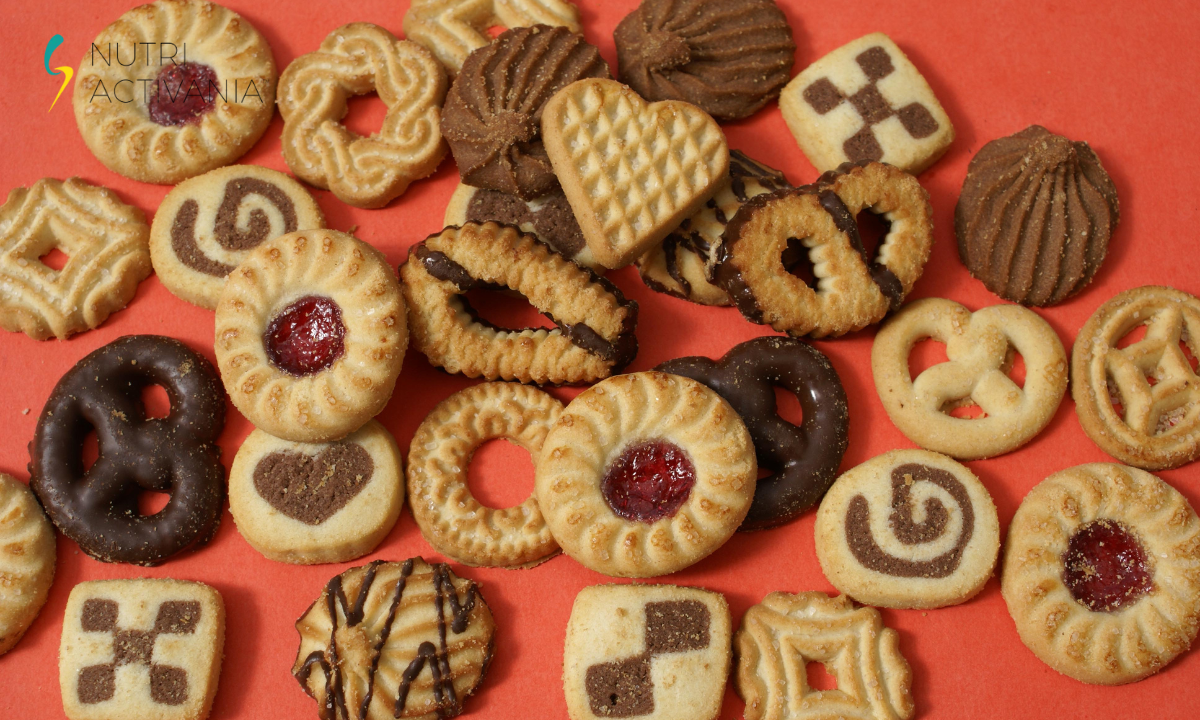
Beginning your day with a cup of tea/coffee and biscuits in India is an everyday ritual that almost every house follows. The humble drink along with cookies and biscuits comes in handy as a no-fuss starter and also as a convenient evening time snack. While keeping a check on the number of cups of tea/coffee you drink daily, have you ever thought about how many biscuits you consume in a day? Asks Dietician Avni Kaul.

Read about the information by the eminent gastrointestinal dietician and leading nutritionist, Avni Kaul, that talks about the dark side of biscuits and the ways they impact the digestive and immune systems.

Contains palm oil

Palm oil is cent percent fat that when eaten on a daily basis might increase certain heart disease risk factors. Also, reusing palm oil lowers its antioxidant capacity and exposes you to several heart diseases. It is one of the cheapest and one of the unhealthiest oils and the majority of biscuits are made using it.

Made of all-purpose flour

Everyone knows that biscuits and cookies are made of all-purpose flour, which is unhealthy for your gut. The white flour lacks micro and macronutrients that lead to weight gain, an increase in blood sugar, inflammation, cardiovascular issues, and indigestion.

Mindless eating

As per one of the studies published in 2013 at Connecticut College, consuming biscuits activates similar pleasure in the brain as cocaine and morphine and this is the reason human minds never settle for one and form the habit of unconscious overeating.

High preservatives

Store purchased biscuits and cookies include Butylated hydroxyanisole (BHA) and Butylated hydroxytoluene (BHT). Studies suggest that they both are harmful for human blood. Besides this, biscuits also have Sodium Benzoate, which is associated with certain types of DNA damage.

Excessive sodium content

An average sweet biscuit has 0.4g of salt per 25g packet, which when eaten in excess, could boost the risk of high blood pressure, stroke, or heart failure. Excessive sodium consumption also leads to water retention which manifests itself through bloating, puffiness, and weight gain.

Conclusion

Though all the above-mentioned points talk about the dark side of biscuits, another reality is that eating anything in moderation is the key that applies to the consumption of biscuits. It is suggested to eat homemade biscuits, as one can keep a check on the quality and quantity of the ingredients

Important Disclaimer & Medical Policy

This content is for informational and educational purposes only. It does not constitute medical or dietary advice. Please consult Dietician Avni Kaul or a qualified healthcare professional before making any changes to your diet or nutrition plan.

Picture of Avni Kaul: Dietician & Nutritionist in Delhi NCR

Avni Kaul: Dietician & Nutritionist in Delhi NCR

About the Author: Dietician Avni Kaul

Avni Kaul is a Gold Medalist nutritionist holding a Master's degree in Food and Nutrition from Lady Irwin College, University of Delhi. With 12+ years of clinical experience and 15,000+ clients, she is the founder of Nutri Activania — Delhi's leading dietician practice. She specialises in weight management, PCOS, thyroid disorders, diabetes, and pregnancy nutrition.

Nutrition Category
Popular Blogs
Top 10 Dieticians in Delhi to Consider
Finding the right dietician in Delhi can be difficult because there are many nutrition professionals...
Country Chicken Nutrition Facts per 100g: Calories, Protein, Fat and Health Benefits
Country chicken, also known as desi chicken, nattu kozhi, or village chicken, is a popular protein-rich...
Meal Plan for Vegetarians to Gain Weight: A Complete Guide
Meal Plan for Vegetarians to Gain Weight is often seen as harder than it actually is. The real challenge...
Best Millets for Weight Loss: Why This Traditional Grain Deserves a Comeback
Millets are among the best grains for weight loss, offering considerably more fibre and a lower glycaemic...
Are Oats Good for Weight Loss? What the Evidence Actually Supports
Yes, oats are good for weight loss, largely due to their high soluble fibre content, which supports fullness...
High-Fibre Foods for Weight Loss: The Quiet Driver Behind Fullness and Steady Energy
High-fibre foods for weight loss work by slowing digestion, supporting fullness for longer after meals,...
High-Protein Foods for Weight Loss: Why Protein Does More Than Just Build Muscle
High-protein foods for weight loss work by supporting fullness for longer after meals, preserving muscle...
Best Vegetables for Weight Loss: The Foods That Do the Most Work on Your Plate
The best vegetables for weight loss are typically those low in calories but high in fibre and water content,...
Best Fruits for Weight Loss: What to Eat, What to Watch, and How Much
The best fruits for weight loss are generally those that offer high fibre and water content relative...
Weight Loss Diet for Hypothyroidism: Working With a Slower Metabolism, Not Against It
A weight loss diet for hypothyroidism is a nutrition plan built around the slower metabolism and related...
Download Your Expert Nutrition & Wellness Guide PDF

Transform Your Health with Dietician Avni Kaul

Join 500+ Delhi clients” + 5‑star reviews & 15,000+ Happy Members and growing

Get a Free 30-Minute Consultation

Join 500+ Delhi clients” + 5‑star reviews