
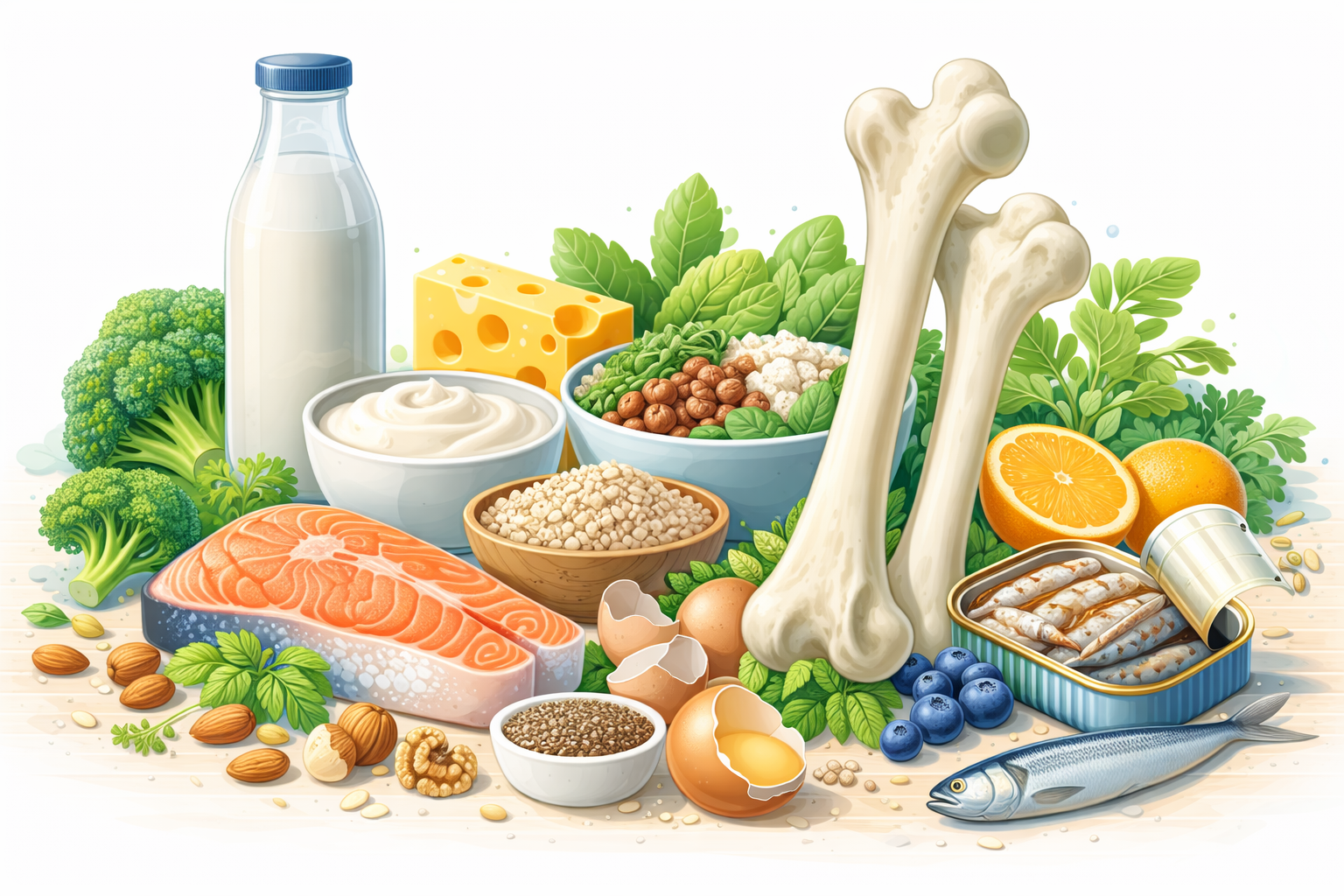
Eat This for Preventing Bone Loss, shares Dietitian Avni Kaul

Table of Contents

By Dietitian Avni Kaul — Gold Medalist, M.Sc. Food & Nutrition, Lady Irwin College, University of Delhi | Founder, Nutri Activania

There is an unfortunate side effect of living longer: bone loss. With every passing year after the age of about 30, each of you, and faster in women than men, experiences a decrease in bone mineral density (the mineral content of bone each unit of bone). When bone mass falls below healthy values, this is called osteopenia, which could be a precursor to the bone diseases osteomalacia or osteoporosis. Osteomalacia is impaired mineralization which occurrs due to vitamin D and calcium deficiency, while osteoporosis is very low bone mineral density that weakens the skeleton, spiking susceptibility to bone breakage and fractures.

Calcium and vitamin D play the most critical vitamin and mineral roles in bone development. Vitamin D is regarded as the “sunlight vitamin” for its ability to be absorbed by using the sun’s rays to produce a form of vitamin D, “7-dehydrocholesterol,” within our body’s skin. Vitamin D is hard to obtain naturally in the diet but is found in select foods, including egg yolks, fish, and specific mushrooms, says Avni.

Several healthy habits could help delay bone loss or boost existing bones like weight management. Generally, a healthy balanced diet, and regular physical activity, including strength or resistance training two times a week, is enough. However, one of the best ways to prevent bone loss is to have adequate calcium.

The (RDA) or recommended dietary allowance for calcium has increased by 300 milligrams each day since the 2016 updates to the nutrition label by the FDA. Children and adults should consume 1,300 mg per day, from a combination of whole and fortified foods, including supplements, when required.

Here are certain foods shared by leading nutritionist and Dietitian Avni Kaul, that help you reach these calcium goals.

Calcium-fortified cereals and juices

If your mornings usually consist of the above mentioned cow’s milk or fortified non-dairy milk poured on calcium-fortified cold cereal and topped off having a glass of calcium-fortified orange juice, you have perhaps achieved 2/3rd of your calcium goals for the day.

Leafy greens

Of all the excellent ways spinach could benefit your health, enhancing your calcium levels is not really one of them. Spinach contains a component called “oxalates,” which inhibit our body’s ability to absorb calcium. However, other dark leafy greens make the cut. Include kale, collards, mustard greens, or turnip greens in your meals.

Protein foods

Nowadays getting fish like salmon is not a challenge in India. Canned salmon and sardines come in around 118 to 300 mg of calcium per 3-ounce serving. Besides that, almonds provide 95 mg of calcium per 1/4th cup.

Milk

The top calcium options in the milk group include cow’s milk and yogurt, and also fortified non-dairy milk and yogurts such as almond, soya, or oat-based. The aim is to obtain three single-cup servings each day of dairy or fortified soya alternatives.

Important Disclaimer & Medical Policy

This content is for informational and educational purposes only. It does not constitute medical or dietary advice. Please consult Dietitian Avni Kaul or a qualified healthcare professional before making any changes to your diet or nutrition plan.

Picture of Avni Kaul: Dietitian & Nutritionist in Delhi NCR

Avni Kaul: Dietitian & Nutritionist in Delhi NCR

About the Author: Dietitian Avni Kaul

Avni Kaul is a Gold Medalist nutritionist holding a Master's degree in Food and Nutrition from Lady Irwin College, University of Delhi. With 12+ years of clinical experience and 15,000+ clients, she is the founder of Nutri Activania — Delhi's leading dietitian practice. She specialises in weight management, PCOS, thyroid disorders, diabetes, and pregnancy nutrition.

Nutrition Category
Popular Blogs
Diet Plan for Vegetarians to Gain Weight: A Complete Guide
Diet Plan for Vegetarians to Gain Weight is often seen as harder than it actually is. The real challenge...
Best Millets for Weight Loss: Why This Traditional Grain Deserves a Comeback
Millets are among the best grains for weight loss, offering considerably more fibre and a lower glycaemic...
Are Oats Good for Weight Loss? What the Evidence Actually Supports
Yes, oats are good for weight loss, largely due to their high soluble fibre content, which supports fullness...
High-Fibre Foods for Weight Loss: The Quiet Driver Behind Fullness and Steady Energy
High-fibre foods for weight loss work by slowing digestion, supporting fullness for longer after meals,...
High-Protein Foods for Weight Loss: Why Protein Does More Than Just Build Muscle
High-protein foods for weight loss work by supporting fullness for longer after meals, preserving muscle...
Best Vegetables for Weight Loss: The Foods That Do the Most Work on Your Plate
The best vegetables for weight loss are typically those low in calories but high in fibre and water content,...
Best Fruits for Weight Loss: What to Eat, What to Watch, and How Much
The best fruits for weight loss are generally those that offer high fibre and water content relative...
Weight Loss Diet for Hypothyroidism: Working With a Slower Metabolism, Not Against It
A weight loss diet for hypothyroidism is a nutrition plan built around the slower metabolism and related...
PCOS Weight Loss Nutrition Program: Why Standard Diets Often Don't Work, and What Does
A PCOS weight loss nutrition program is a diet plan built specifically around the hormonal and insulin-related...
Post Pregnancy Weight Loss Diet Program: Losing Weight Safely While Your Body Recovers
A post pregnancy weight loss diet program is a nutrition plan designed to support gradual, safe weight...

Transform Your Health with Dietitian Avni Kaul

Join 300+ Delhi clients” + 5‑star reviews & 15,000+ Happy Members and growing

Get a Free 30-Minute Consultation

Join 300+ Delhi clients” + 5‑star reviews