
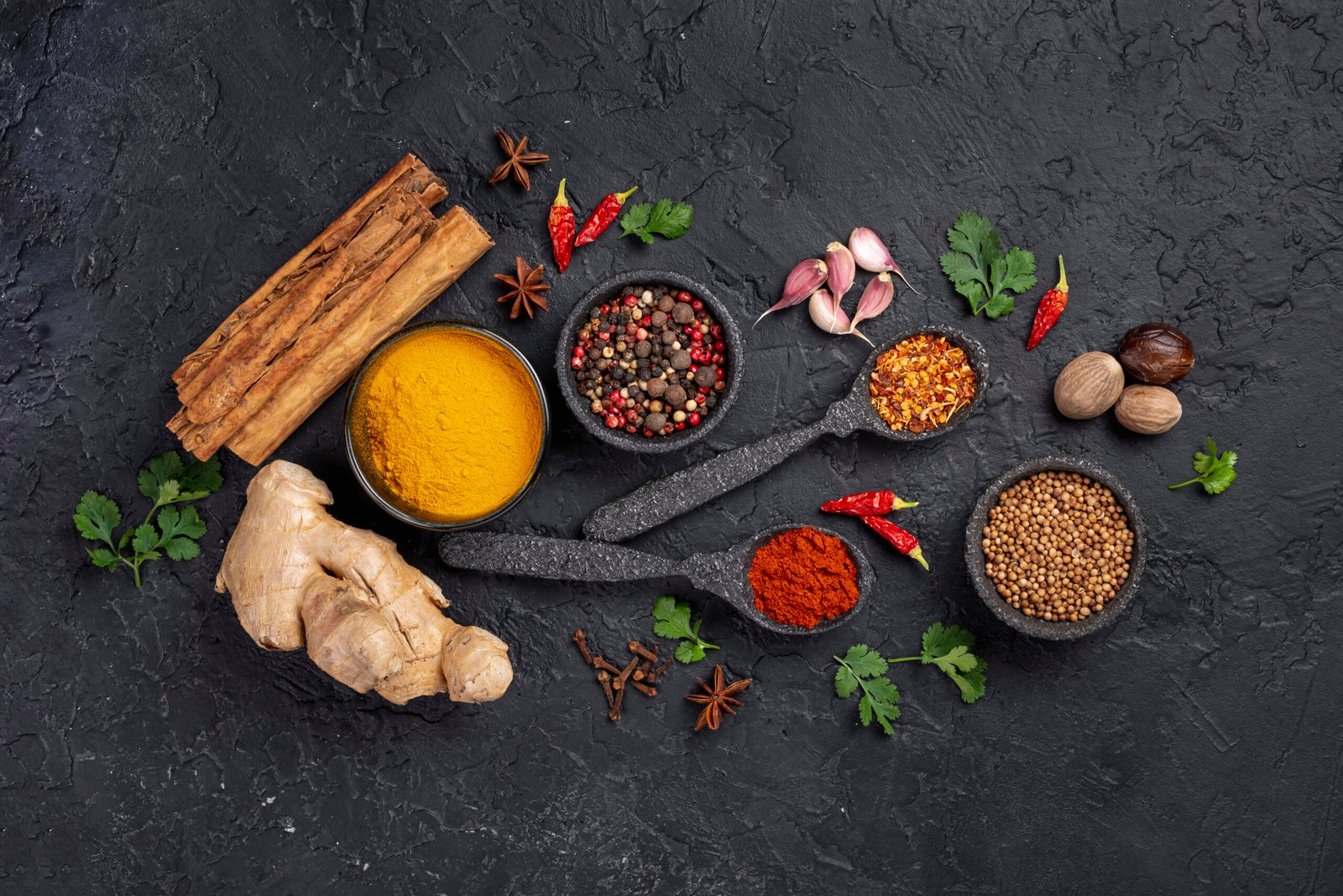
It is virtually impossible to imagine a life without the enchanting allure of spices, whether they are enhancing a comforting curry or elevating a simple omelette. From cinnamon to cumin, oregano to chilli flakes, spices add a dash of excitement to every meal. Yet, like all good things, spices too have a shelf life. The question arises: do kitchen spices expire, and how does one identify and dispose of them effectively? India’s eminent Dietician Avni Kaul shares her insights on the topic in this article.

Shelf Life of Spices: A Bird’s Eye View
Spices and herbs are obtained from roots, seeds, or non-leafy plant parts, and have a limited shelf life due to their chemical compounds that are volatile. This duration varies based on spice type, processing, and storage conditions.
Whole spices like peppercorns, coriander, and cinnamon sticks last longer and have more vibrant flavours when ground just before use. They can stay fresh for up to four years due to the presence of aromatic oils and less surface area of exposure.
Ground spices, such as chilli powder and paprika, have a shorter shelf life, usually ranging from six months to two years. They have more surface area and can oxidize faster than whole spices.
Whole seeds like poppy, sesame, and caraway have the potential to go bad because their oils can turn rancid. It’s best to use them within a year and store them in the refrigerator to maintain their taste and texture.
Dried herbs like basil and thyme, as well as herb blends, remain good for one to three years as long as they retain their green colour and are stored away from light.
Extracts, whether sweet or savoury, like vanilla or ginger, can add flavour to dishes and have a shelf life of about two to three years. Vanilla extract has an indefinite shelf life and can be used for a very long time.
Do Spices Go Bad?
Spice jar dates show quality, not expiry. “Sell-by” is packing, not harvest. Quality declines with age due to oxidation, loss of essential oil, light, heat, or humidity. Ageing spices lose flavour, affecting dish taste.
How do you know if the spices have gone bad?
Old spices simply lose their flavour, aroma, and potency. They don’t make you fall sick. Some of the methods to know are:
- Aroma: Fresh spices emit a strong, vibrant aroma specific to the spice. As they age, this aroma diminishes and can become musty, stale, or off. If a spice smells foul or unusual, avoid using it, and also watch for mould or moisture, which can be harmful if consumed.
- Flavour: If a spice no longer imparts a robust scent or if its flavour is weak, stale, or flat, it may have expired.
- Colour: Spices like paprika and turmeric have vibrant colours when fresh. If they appear faded or have developed a pale or greyish tint, it’s a sign of expiration. Certain spices, like ground cinnamon, can darken and turn brown with age.
- Texture: Rub a small amount of the spice between your fingers. If it feels clumpy, has lost its powdery texture, or developed lumps, it’s a sign of moisture infiltration and potential spoilage.
What are the Ways to Dispose of Expired Spices?
Some of the ways to dispose of expired spices are:
- Potpourri: Spices like Cinnamon, for instance, are great for potpourri or making scented sachets. When heated, spices release their aroma, making them ideal for creating fragrant potpourri. Combine ginger, cardamom, cinnamon, cloves, and citrus peels in boiling water.
- Insect Repellent: Utilize unwanted spices from your pantry to deter pests. Create sachets using dried basil, bay leaves, dill, lavender, rosemary, garlic, or thyme. Position these sachets in bug-prone areas to repel unwanted critters.
- Natural Dye: To create your own dye, select vibrant spices like turmeric, saffron petals, and paprika. Bundle each spice in cheesecloth. Boil water, add a spice bundle, and simmer for an hour. Add vinegar, then immerse the fabric for 30 minutes. Rinse and air dry the dyed garment.
Spices enhance our culinary experiences, but they do have a shelf life. Understanding the signs of spice expiration—diminished aroma, flavor, altered color, or texture—is crucial. While disposing of expired spices, repurposing them for potpourri, insect repellents, or natural dye can be eco-friendly and resourceful.