
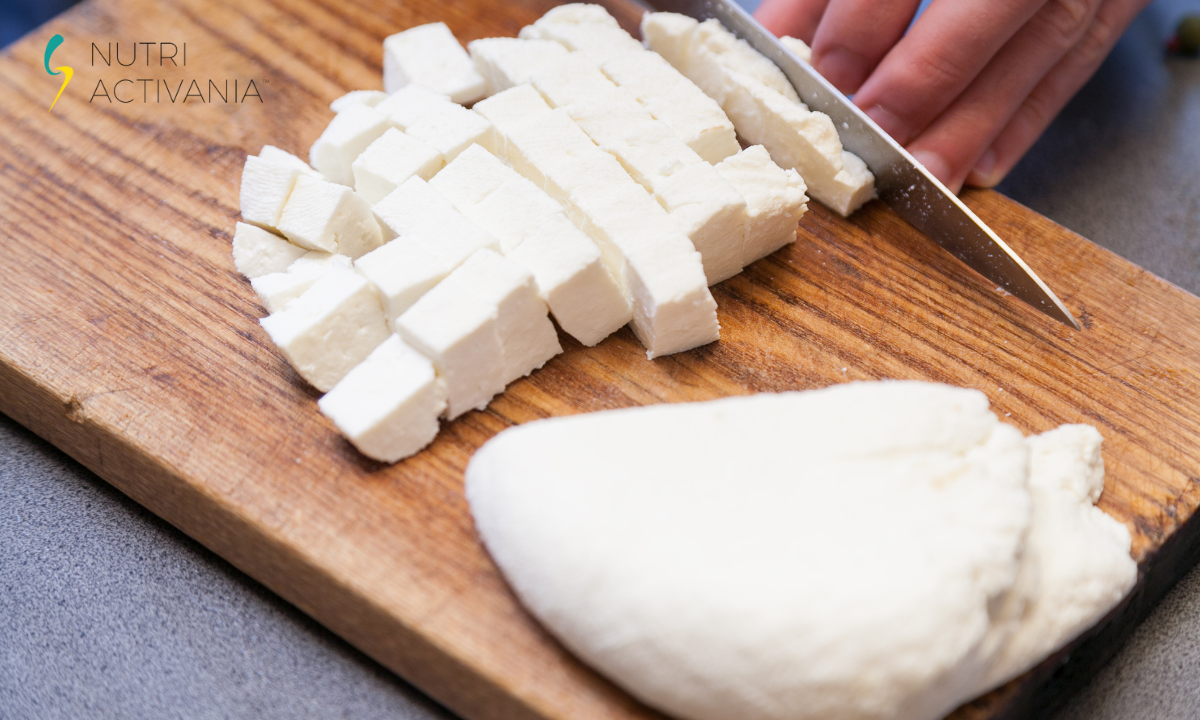
Paneer benefits make it one of the most valuable foods in vegetarian nutrition, especially if you’re focused on muscle building, weight loss, or bone health. With 18-21 grams of protein per 100g, paneer is a complete protein source that’s rich in calcium (700mg per 100g), low in carbs, and packed with healthy fats that keep you full longer, support digestion, and provide sustained energy—making it an ideal addition to any balanced diet.

What are the health benefits of eating paneer?
Eminent Dietician and nutritionist Avni Kaul explores the nutritional prowess of paneer, making it clear that this dairy delight is not just a treat for your taste buds but also a boon for your well-being. They are:
- Healthy Bones – Paneer is rich in calcium and Vitamin D which contribute to stronger bones and teeth. Calcium also aids the proper functioning of the heart, muscles, and nerves. A 100-gram serving of paneer provides about 208 mg of calcium, contributing to your daily requirements. Regular consumption of paneer can help prevent bone-related disorders like osteoporosis and fractures, making it a valuable addition for individuals of all ages, particularly children and the elderly.
- Rich in Protein – Paneer, a staple in vegetarian diets, offers a rich source of protein and all nine essential amino acids crucial for bodily functions. Its nutritional value surpasses that of cheese, making it a healthy choice for regular consumption. Often referred to as the “vegetarian’s delight,” it boasts around 18 grams of protein per 100 grams, rivalling meat-based proteins. This protein-packed dairy product supports muscle growth, repair, and overall well-being, making it ideal for active individuals.
- Good for Diabetes Patients – People with diabetes usually avoid dairy products, but paneer is an exception due to its magnesium content, which aids in blood sugar regulation. Paneer also helps prevent rapid blood sugar spikes by slowing sugar release. Its low carbohydrate content makes it an ideal choice for diabetics. Furthermore, the amino acid tryptophan in paneer supports insulin production, which contributes to stable blood sugar levels. To learn more about diabetes diet programs, click here.
- Weight Management – Are you struggling with your weight loss regime? Incorporating paneer into your diet can be a powerful choice. Paneer is rich in healthy fats, low in carbs, and high in protein, making it an excellent choice for reducing fat storage and supporting weight management goals. Its high protein content promotes the feeling of fullness curbing unhealthy snacking. Additionally, the thermic effect of food from paneer can boost metabolism, aiding in calorie burning during digestion. Enjoy paneer in moderation for effective weight management. To learn more about the weight loss diet programs, click here.
- Helps in Digestion – Paneer, a dairy delight, not only pleases the palate but also benefits digestion. Rich in magnesium and phosphorus, it eases digestive function and promotes softer stools. Paneer’s probiotics, those friendly gut allies, work wonders for your digestive system. They ensure a balanced gut microbiome, which is vital for nutrient absorption and overall well-being. By doing so, paneer helps prevent discomforts like bloating, constipation, and irritable bowel syndrome, ensuring a happier, healthier you.
- For a Healthy Skin – Paneer, also known as cottage cheese, is a skin-friendly food rich in essential nutrients. It contains vitamin E, selenium, and antioxidants, which combat harmful free radicals in the body, promoting a healthy and vibrant complexion. Additionally, paneer contributes to stronger and more beautiful hair. Incorporating this dairy product into your daily diet can lead to glowing, youthful-looking skin by nourishing it and warding off dryness and dullness.
- Boosts Immunity – Paneer is rich in essential vitamins and minerals, such as vitamin A and zinc, which can boost the immune system’s strength. Regular consumption of paneer can aid in the development of a robust immune system, especially for children. It also plays a role in controlling respiratory conditions like asthma and bronchitis. Furthermore, paneer supports haemoglobin production and provides vital Vitamin B complex, enhancing children’s concentration and memory.
Takeaway – Paneer, the versatile Indian cottage cheese, is a nutritional powerhouse offering a plethora of health benefits. It promotes strong bones, aids in weight management, supports diabetes management, enhances digestion, and boosts immunity. Additionally, it contributes to healthy skin and overall well-being, making it a valuable addition to one’s diet for both taste and health.