
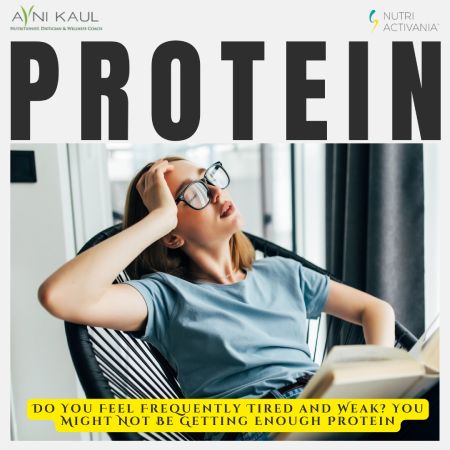
You Might Not Be Getting Enough Protein Warns Nutritionist Dietician Avni Kaul
Feeling tired and weak more often than usual? It could be more than just a lack of sleep or stress. Your body might be trying to tell you something important: you are not getting enough protein. Protein is an essential nutrient that plays a crucial role in maintaining energy levels, building muscle, and supporting overall health. When your diet lacks sufficient protein, your body begins to suffer, and fatigue and weakness can be some of the earliest signs says the leading nutritionist and Dietician in Delhi NCR, Avni Kaul, in this blog.

What is the Role of Protein in Your Body?
Protein is often called the building block of life and for a good reason. It is a vital component of every cell in your body, contributing to the growth, repair, and maintenance of tissues. Protein also plays a critical role in producing enzymes and hormones, which are essential for various bodily functions. When you consume protein, your body breaks it down into amino acids, which are then used to build and repair muscles, skin, hair, and other tissues. Amino acids also support immune function, helping your body fend off illnesses and recover more quickly from injuries.
What are Some of the Signs You Might Not Be Getting Enough Protein?
If your protein intake is insufficient, your body may start to show some clear signs. Besides feeling frequently tired and weak, you might experience other symptoms, such as:
- Loss of Muscle Mass: Protein is crucial for muscle maintenance. Without enough of it, your body may start breaking down muscle tissue for energy.
- Slow Recovery from Injuries: If you are not getting enough protein, your body might struggle to heal wounds or recover from physical activities as quickly as it should.
- Weakened Immune System: Protein deficiency can impair your immune function, making you more susceptible to infections and illnesses.
- Hair, Skin, and Nail Problems: Protein is essential for healthy hair, skin, and nails. A lack of it can lead to thinning hair, brittle nails, and dull skin.
Which Protein-Rich Foods should you include in your Indian diet?
Ensuring you are getting enough protein doesn’t mean you have to overhaul your entire diet. By incorporating a variety of protein-rich foods, you can easily meet your body’s needs. Here are some excellent sources of protein:
- Lean Meats: Chicken, turkey, and lean cuts of beef and pork are packed with high-quality protein. They are also rich in essential nutrients like iron and B vitamins, which can further help combat fatigue.
- Fish and Seafood: Fish like salmon, tuna, and mackerel are not only high in protein but also contain omega-3 fatty acids, which support heart health and reduce inflammation.
- Eggs: Eggs are a complete source of protein, meaning they contain all nine essential amino acids. They are versatile and can be included in various meals throughout the day.
- Dairy Products: Milk, yogurt, cheese, and cottage cheese are excellent sources of protein. Greek yogurt, in particular, is higher in protein than regular yogurt, making it a great choice for a snack or breakfast option.
- Legumes: Beans, lentils, chickpeas, and peas are plant-based sources of protein. They are also rich in fiber, which supports digestive health and keeps you feeling full for longer.
- Nuts and Seeds: Almonds, walnuts, chia seeds, and flaxseeds are not only high in protein but also contain healthy fats and other essential nutrients.
- Tofu and Tempeh: For those following a vegetarian or vegan diet, tofu and tempeh are excellent plant-based protein options. They can be used in a variety of dishes, from stir-fries to salads.
- Quinoa: Unlike most plant-based foods, quinoa is a complete protein, providing all the essential amino acids your body needs. It is a great alternative to rice or pasta.
If you are feeling unusually tired and weak, it might be time to assess your protein intake. By including a variety of protein-rich foods in your diet, you can boost your energy levels, support muscle health, and improve your overall well-being. Listen to your body’s signals and make the necessary changes to ensure you are getting the nutrition you need to thrive.