
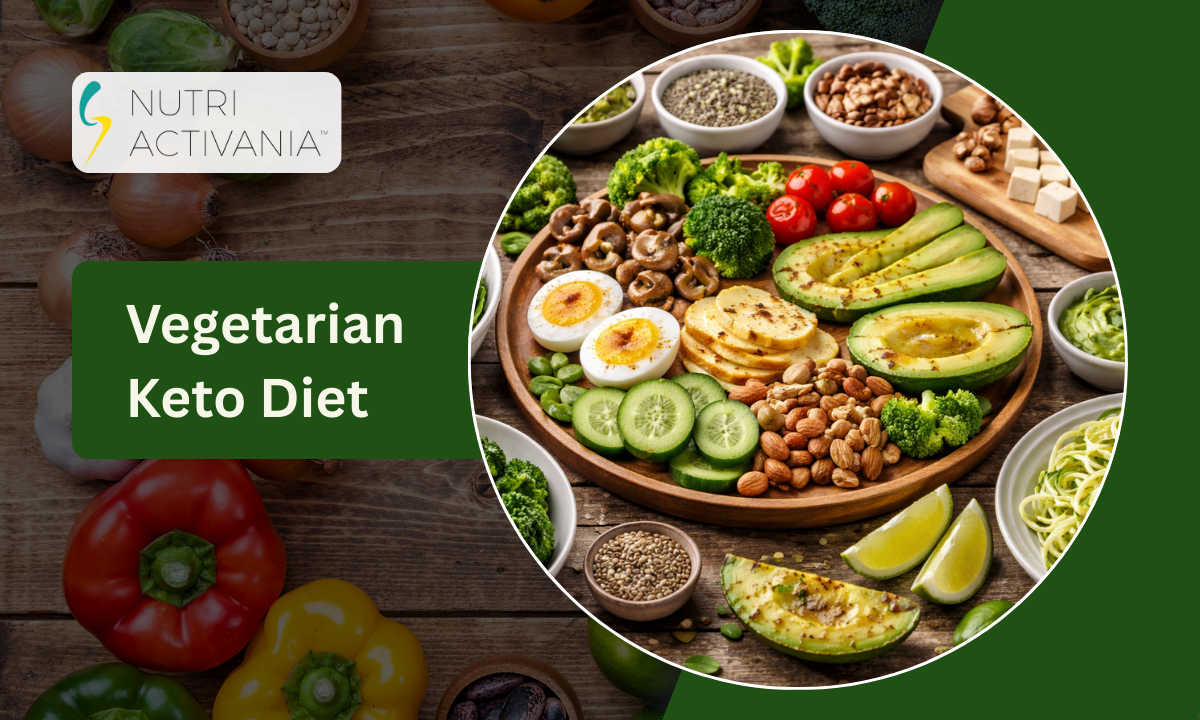
Finding the Best dietician for weight loss in Delhi is crucial when you want to try a strict low-carb lifestyle as a vegetarian. Most traditional ketogenic plans rely heavily on meat and poultry, making it incredibly frustrating for plant-based eaters in India.
However, any expert Dietician for weight loss in Delhi will confirm that reaching a high-energy, fat-burning state without consuming meat is entirely achievable. At Nutri Activania, led by Avni Kaul, the Best Dietician in Delhi, we specialize in adapting complex metabolic science into practical, everyday Indian meals.
Working with a specialized Keto Dietician in Delhi ensures your vegetarian keto diet is both safe and highly effective.
A ketogenic lifestyle forces a fundamental shift in how your body sources its energy. Instead of running on carbohydrates like rice and wheat, your system learns to burn stored body fat for fuel.
For a vegetarian, successfully navigating this shift requires careful planning to ensure you get enough protein and healthy fats without accidentally consuming hidden carbohydrates.
In this comprehensive guide, we will break down exactly how this metabolic process works, the specific Indian foods you can safely enjoy, and the hidden carb traps you must absolutely avoid.
How a Vegetarian Keto Diet Works
The human body is an incredibly adaptable machine. Under normal circumstances, your system relies on glucose as its primary energy source.
In a traditional Indian vegetarian diet, this glucose comes abundantly from carbohydrates like roti, rice, dal, and starchy vegetables. When you consume these everyday foods, your blood sugar naturally rises, prompting your pancreas to release insulin.
This vital hormone then shuttles the glucose into your cells for immediate energy or stores the excess as body fat for later use.
However, when you drastically reduce your carbohydrate intake on a ketogenic protocol, your body quickly depletes its stored glucose reserves. To survive and continue functioning at a high level, your system must switch to an alternative fuel source.
This is exactly where the metabolic state of ketosis begins. In the absence of dietary carbohydrates, your liver starts breaking down both your stored body fat and the healthy fats you eat into water-soluble molecules called ketones.
These ketones supply a steady, clean stream of energy to your brain and your muscles.
Table: Traditional Indian Diet vs. Vegetarian Keto Macros
| Macronutrient | Standard Vegetarian Diet | Vegetarian Keto Diet |
|---|---|---|
| Carbohydrates | 50 to 60 percent (Primary Fuel) | 5 to 10 percent (Strictly Limited) |
| Fats | 20 to 30 percent (Moderate) | 70 to 75 percent (Primary Fuel) |
| Protein | 10 to 20 percent (Moderate) | 20 to 25 percent (Adequate) |
Achieving this highly specific macronutrient split is the ultimate key to entering and maintaining a state of fat-burning ketosis. For a vegetarian, hitting that high-fat target while keeping total carbohydrates below fifty grams per day requires incredibly strategic meal planning.
When executed correctly under clinical guidance, this metabolic shift offers profound benefits: it stabilizes erratic blood sugar levels, eliminates mid-afternoon energy crashes, and turns your body into a highly efficient fat-burning engine.
Foods to Eat
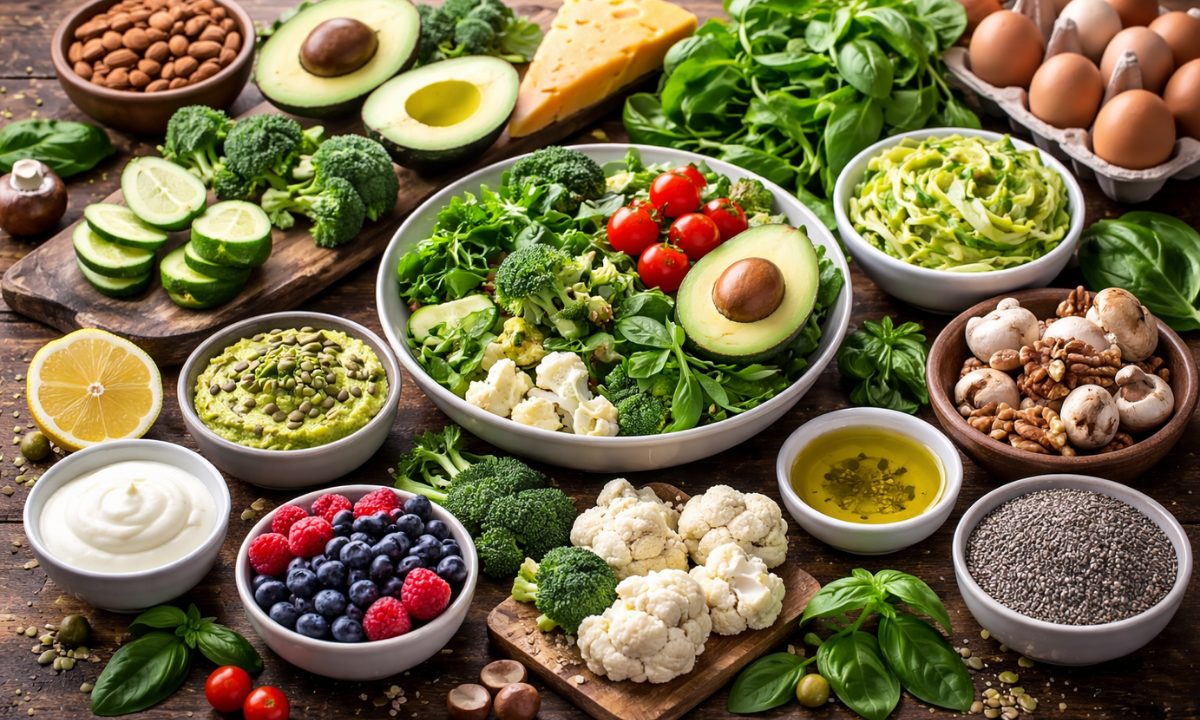
Transitioning to a high-fat lifestyle without relying on meat requires a complete overhaul of your daily grocery list. The foundation of a successful Indian vegetarian keto diet is built upon extracting maximum nutrition from strictly low-carbohydrate sources.
Since traditional vegetarian protein staples like dal, chickpeas, and kidney beans are too high in carbs for ketosis, you must pivot towards specific dairy products, nuts, and green vegetables to meet your daily requirements.
The Core Ingredients of a Vegetarian Keto Diet
- High-Quality Dairy: Full-fat paneer is your ultimate protein source on this diet. Unsalted butter, pure desi ghee, and heavy whipping cream provide excellent fats to keep you satiated and fuel your daily ketone production.
- Nutrient-Dense Nuts and Seeds: Almonds, walnuts, macadamia nuts, chia seeds, and flaxseeds are incredible sources of healthy fats and dietary fiber. The fiber helps offset the net carbohydrate count, keeping your blood sugar perfectly stable.
- Healthy Plant Oils: Cold-pressed coconut oil, extra-virgin olive oil, and fresh avocados deliver the heart-healthy monounsaturated and saturated fats your liver desperately needs to generate clean energy.
- Above-Ground Vegetables: Spinach, bottle gourd, bell peppers, zucchini, mushrooms, and cauliflower are mandatory for providing essential vitamins and minerals without spiking your insulin levels.
By strategically combining these ingredients, you can create delicious, deeply satisfying meals that keep you firmly in a state of fat-burning ketosis. For example, cooking your spinach and paneer in generous amounts of ghee, or making a thick morning bowl with full-fat Greek yogurt and chia seeds, ensures you hit your fat targets effortlessly.
Remember, the goal is not just to eat fat, but to eat high-quality, anti-inflammatory fats that nourish your body at a cellular level.
Foods to Avoid
The most challenging aspect of adopting a vegetarian keto lifestyle in India is unlearning decades of traditional dietary habits.
Our standard comfort foods are heavily reliant on complex carbohydrates, and consuming even a small portion of these staples will immediately spike your blood sugar. When your insulin levels rise, your liver instantly stops producing ketones, and your body switches right back to burning glucose.
To successfully maintain a fat-burning state, you must be incredibly vigilant about hidden carbohydrate traps that masquerade as healthy vegetarian options.
Indian Staples to Completely Eliminate
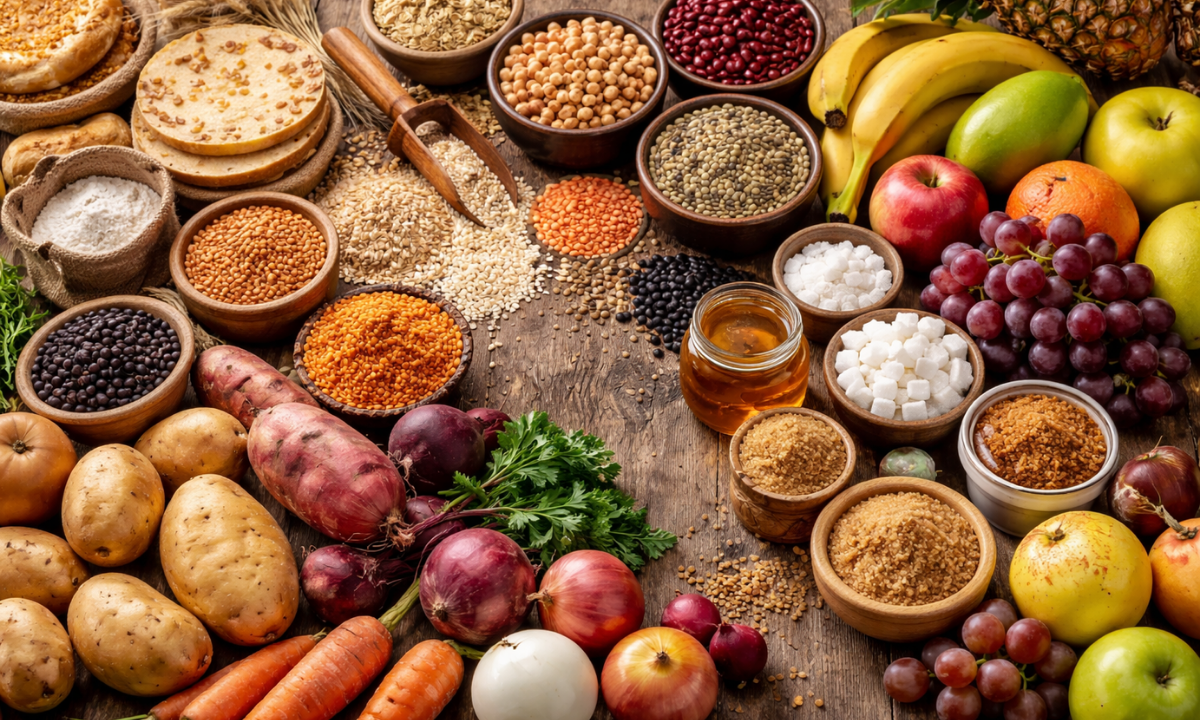
- All Grains and Flours: Wheat, rice, oats, millet, bajra, and jowar are entirely off limits. This means saying a temporary goodbye to all traditional rotis, parathas, and dosas.
- Legumes and Dals: While lentils, chickpeas, and kidney beans are excellent sources of vegetarian protein, they are simply too dense in carbohydrates to fit into a strict ketogenic macro profile.
- Root Vegetables: Potatoes, sweet potatoes, carrots, beetroot, and onions grow beneath the soil and store massive amounts of starch. Eating a single potato will easily exceed your daily carbohydrate limit.
- Fruits and Sugars: All high-sugar tropical fruits like mangoes, bananas, grapes, and pineapples must be avoided. Refined sugar, jaggery, honey, and even artificial sweeteners that spike insulin are strictly prohibited.
Removing these foundational ingredients from your kitchen can feel overwhelming at first. However, replacing them with high-fat, low-carb alternatives is the only biological way to force your metabolism into ketosis.
Once your body fully adapts to burning fat instead of glucose, the intense cravings for these carbohydrate-heavy comfort foods naturally disappear, leaving you with stable, crash-free energy throughout the entire day.
A Sample Keto Veg Diet Plan for Weight Loss
Transitioning from nutritional theory to practical application requires a highly structured approach to your daily eating habits.
A successful keto diet vegetarian meal plan must utilize accessible, everyday Indian ingredients to ensure you do not feel restricted or deprived.
To achieve consistent fat loss, your meals must be meticulously balanced to prioritize healthy fats and adequate proteins while keeping carbohydrates practically invisible.
Sample Vegetarian Keto Diet Plan
| Time of Day | Metabolic Goal | Suggested Indian Meal Options |
|---|---|---|
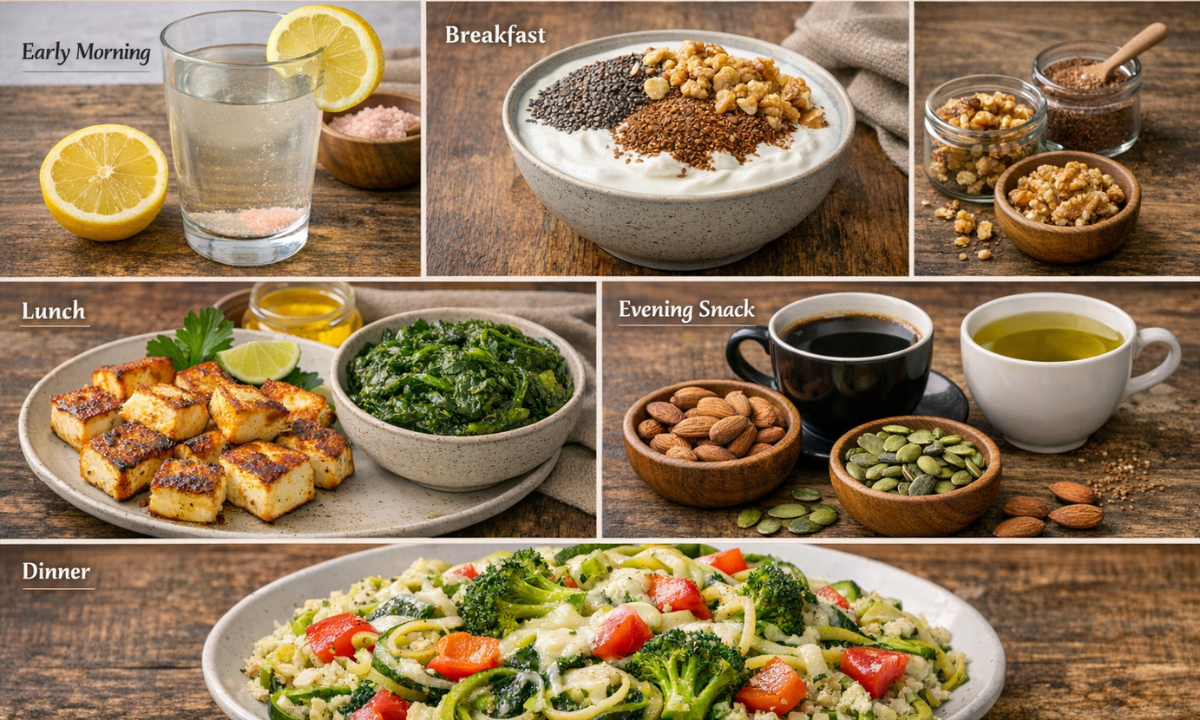
| Early Morning | Electrolyte Balance | A tall glass of warm water mixed with a pinch of pink Himalayan salt and a squeeze of fresh lemon. |
| Breakfast | High Fat and Satiety | A bowl of full-fat Greek yogurt heavily topped with soaked chia seeds, ground flaxseeds, and crushed walnuts. |
| Lunch | Moderate Protein | A generous portion of paneer (150 grams) pan-fried in pure desi ghee, served alongside a large bowl of garlic spinach (palak). |
| Evening Snack | Clean Energy Boost | One cup of black coffee or green tea paired with a handful of dry-roasted almonds and pumpkin seeds. |
| Dinner | Fiber and Micronutrients | Zucchini noodles (zoodles) or cauliflower rice tossed in extra-virgin olive oil, mixed with broccoli, bell peppers, and melted cheese. |
This fundamental keto veg diet plan for weight loss provides an excellent starting point for shifting your body into a state of fat-burning ketosis.
However, relying on a generic vegetarian keto diet plan for an extended period can be dangerous. Because you are eliminating massive food groups like traditional lentils, whole grains, and fresh fruits, you run a very high risk of developing severe nutritional deficiencies without proper medical supervision.
Why Choose Nutri Activania
Transitioning your body from a glucose-dependent state to a fat-burning state is a major metabolic shock.
Attempting this shift without professional guidance often leads to a cluster of severe symptoms commonly known as the “keto flu.” As your body rapidly sheds water weight and stored carbohydrates, it also flushes out vital electrolytes like sodium, potassium, and magnesium.
This sudden depletion triggers intense fatigue, debilitating headaches, brain fog, and severe muscle cramps.
Furthermore, permanently eliminating massive food groups like lentils, whole grains, and starchy vegetables puts vegetarians at an incredibly high risk for long-term nutritional deficiencies.
Without careful planning, you can easily become deficient in B vitamins, iron, and crucial trace minerals. This is exactly why clinical supervision is mandatory. At Nutri Activania, Avni Kaul utilizes her extensive background in clinical nutrition to carefully monitor your metabolic markers.
She ensures your electrolyte balance remains perfectly stable, your thyroid is not unduly stressed by the sudden carbohydrate restriction, and your liver is safely processing the increased dietary fat.
Conclusion
A vegetarian ketogenic diet is not an impossible culinary puzzle. It is a highly effective, science-backed therapeutic tool for achieving rapid fat loss, reversing insulin resistance, and completely resetting your metabolic health.
However, because it requires such extreme macronutrient manipulation, it demands absolute precision to execute safely and sustainably over the long term. Guessing your portion sizes or relying on generic internet templates will only lead to frustration, stalled weight loss, and potential harm to your internal organs.
Do not risk your long-term health on unverified dietary trends. Take the clinical approach to your weight loss journey by booking a comprehensive consultation at Nutri Activania.
Whether you visit our premier South Delhi clinic in Saket or utilize our seamless online consultation platform, Avni Kaul will design a meticulously calculated, personalized protocol just for you. Contact us today to safely turn your body into a highly efficient fat-burning machine without ever compromising your vegetarian values.