
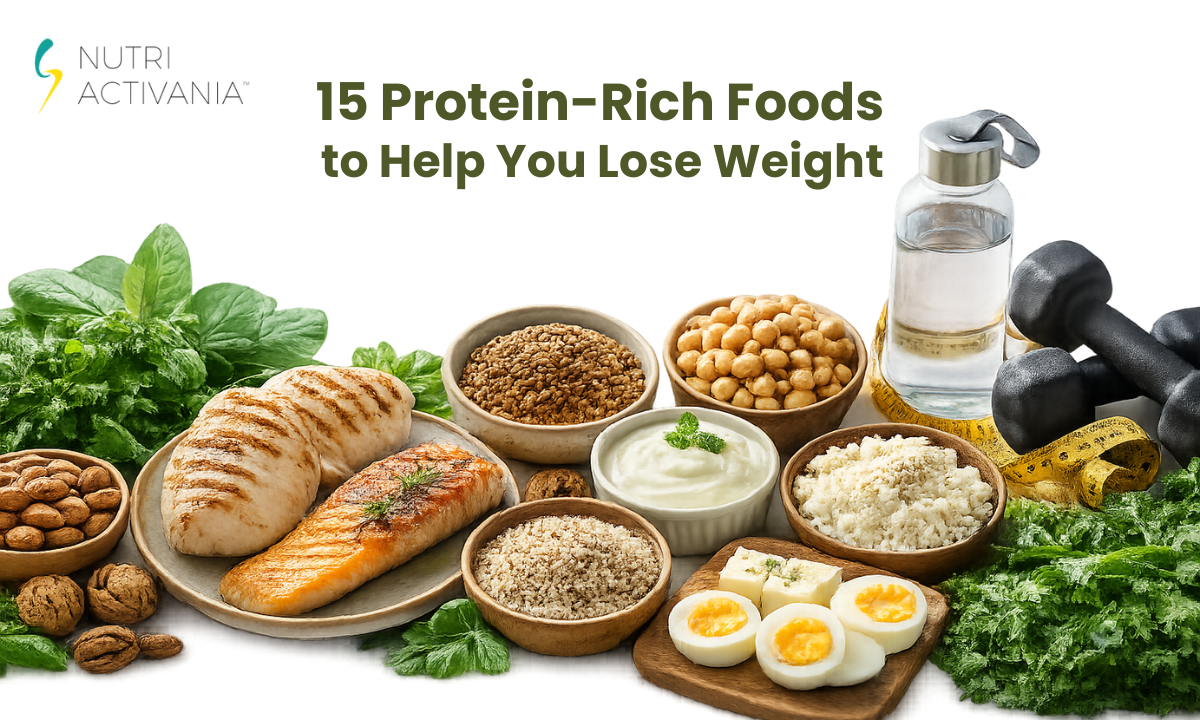
If you are trying to shed extra kilos without feeling constantly hungry or drained, protein-rich foods for weight loss should be at the centre of your plate. Protein keeps you fuller for longer, helps preserve lean muscle mass while you lose fat, and requires more energy to digest than carbs or fats, gently boosting your metabolism. As Avni Kaul, an award-winning dietician in Delhi, often reminds her clients, sustainable weight loss is less about eating less and more about eating right. In this guide, we look at fifteen everyday foods that deliver quality protein without derailing your calorie goals.
Why Protein-Rich Foods for Weight Loss
Protein plays a bigger role in weight management than most people realise. It curbs appetite by influencing hunger hormones such as ghrelin and increasing satiety hormones like GLP-1. It also protects muscle mass during a calorie deficit, which is important because muscle keeps your metabolism active. When your meals are built around protein, you naturally eat fewer calories throughout the day, snack less on refined carbs, and recover better after workouts. As an experienced Dietician for weight loss in Delhi, Avni Kaul emphasises that combining adequate protein intake with a balanced, calorie-controlled diet is one of the most effective strategies for achieving sustainable weight loss.
For most healthy adults aiming for weight loss, nutrition experts recommend around 1.2 to 1.6 grams of protein per kilogram of body weight daily, spread across meals. The foods below make it easy to hit that target while keeping your plate varied and enjoyable.
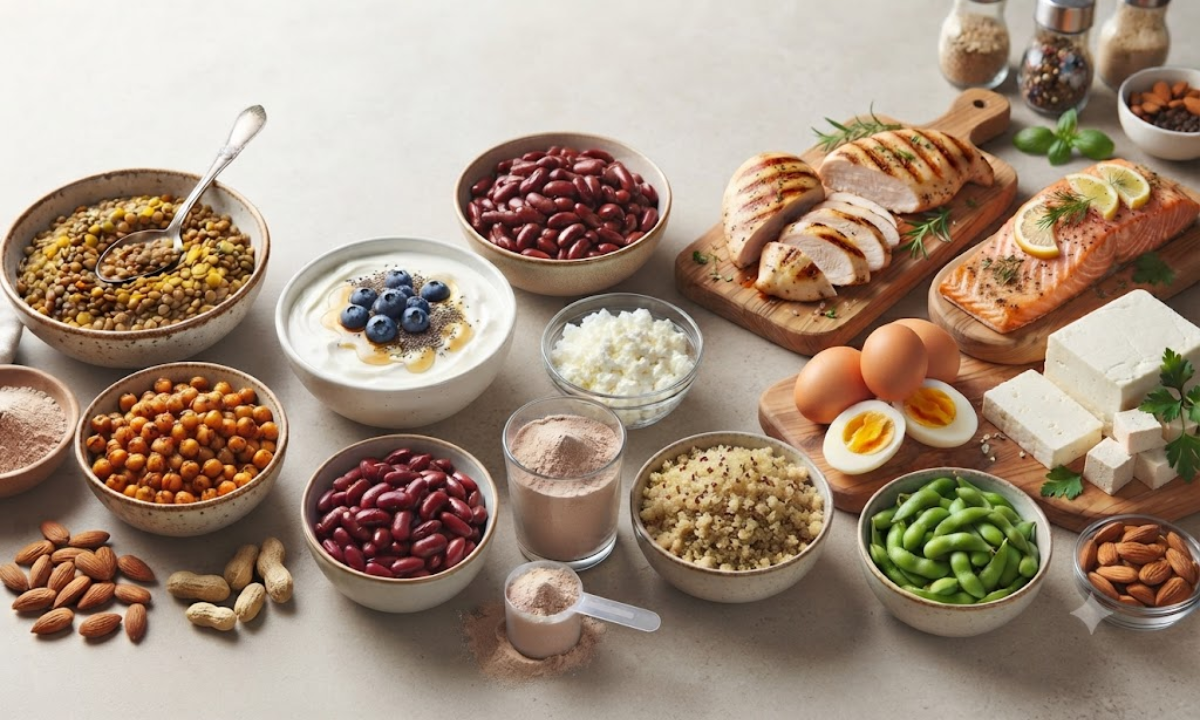
15 Best Protein Rich Foods for Weight Loss
1. Eggs
Eggs are one of the most affordable and complete sources of protein, offering all nine essential amino acids. A single large egg gives you about 6 grams of protein along with vitamins B12 and D. Starting your day with eggs is linked to reduced hunger through the day and lower snacking on high-calorie foods.
2. Greek Yoghurt
Thick, creamy, and packed with roughly twice the protein of regular yoghurt, Greek yoghurt is a smart choice for breakfast, mid-morning snacks, or post-workout meals. Choose unsweetened varieties and add fruit, seeds, or a drizzle of honey for flavour without the sugar overload.
3. Paneer
A staple in most Indian kitchens, paneer offers around 18 grams of protein per 100 grams and pairs beautifully with vegetables, salads, and whole grains. Its high casein content keeps you full for hours, making it particularly useful for dinner.
4. Chicken Breast
Lean, versatile, and rich in high-quality protein, chicken breast delivers about 31 grams of protein per 100 grams cooked, with very little fat. Grilled, baked, or stir-fried with vegetables, it is a weight-loss friendly protein for lunch and dinner.
5. Fish
Fatty fish such as salmon, mackerel, and sardines give you protein along with omega-3 fatty acids, which support heart health and help reduce inflammation. Leaner options like rohu, tilapia, and pomfret work well for those watching calories closely.
6. Lentils and Dals
Every Indian household has a range of dals, and they are among the best plant-based protein sources for weight loss. A cup of cooked lentils offers around 18 grams of protein along with fibre, iron, and folate. The fibre slows digestion, keeps blood sugar steady, and helps control cravings.
7. Chickpeas
Whether in a chana salad, a warm curry, or roasted as a crunchy snack, chickpeas are a powerhouse of protein and fibre. A cup provides around 15 grams of protein, and their low glycaemic index makes them ideal for people managing weight and blood sugar together.
8. Rajma (Kidney Beans)
Rajma delivers around 15 grams of protein per cooked cup and offers slow-releasing energy, making it a filling lunch option. Pair it with a small portion of brown rice or roti for a balanced, satisfying meal.
9. Tofu
A soy-based protein that fits vegetarian, vegan, and lactose-free diets, tofu offers about 8 grams of protein per 100 grams and absorbs the flavours of whatever it is cooked with. It works well in stir-fries, curries, salads, and grilled preparations.
10. Soybeans and Edamame
Soybeans and edamame are among the few plant foods that provide complete protein. A cup of edamame gives around 17 grams of protein along with fibre, calcium, and iron. They make a filling snack or a nutritious addition to salads and rice bowls.
11. Almonds
Almonds combine plant protein with healthy fats and fibre, helping you stay full between meals. A handful (about 28 grams) offers around 6 grams of protein. Stick to portion-controlled servings to keep calories in check.
12. Peanuts and Peanut Butter
Peanuts are protein-rich, budget-friendly, and packed with nutrients like magnesium and niacin. Unsweetened, natural peanut butter on whole-grain toast or in smoothies makes for a satisfying, weight-loss friendly meal component.
13. Quinoa
Quinoa is a rare grain that provides complete protein, delivering around 8 grams per cooked cup. It also brings fibre, iron, and magnesium, making it a smart swap for white rice at some meals.
14. Cottage Cheese
Not to be confused with paneer, cottage cheese is slightly softer, lower in fat, and higher in casein protein. It digests slowly, making it ideal as an evening snack to keep late-night hunger in check.
15. Whey Protein
For those with busy schedules or higher protein needs, whey protein is a convenient way to bridge the gap. A scoop typically offers 20 to 25 grams of protein and can be blended into smoothies or mixed with milk or water. It should complement whole foods, not replace them.
How to Build Weight-Loss Meals Around These Foods
Aim to include a protein source at every main meal and at least one snack. A simple structure that works for most people looks like this:
- Breakfast: eggs with vegetables, Greek yoghurt with fruit, or a protein-based smoothie
- Lunch: dal or rajma with roti, a chicken or paneer salad, or a quinoa bowl
- Snack: roasted chickpeas, a handful of almonds, or cottage cheese with fruit
- Dinner: grilled fish or chicken with vegetables, tofu stir-fry, or paneer bhurji with salad
Pair protein with fibre-rich vegetables and complex carbs to keep meals balanced and satisfying. Portion control still matters, but you will find that when protein is prioritised, cravings and overeating naturally reduce.
Common Mistakes People Make with Protein and Weight Loss
Many people either underestimate their protein needs or lean too heavily on processed sources such as protein bars and shakes. Others focus only on protein while ignoring vegetables, fibre, and healthy fats, which are equally important for hormonal balance and gut health. Skipping meals in the hope of faster results usually backfires, leading to muscle loss and slowed metabolism.
A personalised nutrition plan, guided by a qualified dietician, helps you avoid these pitfalls and matches your protein targets to your body composition, activity level, and health conditions.
Conclusion
Building your meals around protein rich foods for weight loss is one of the most sustainable ways to lose fat while keeping your energy, muscle, and metabolism intact. The fifteen foods above cover vegetarian, non-vegetarian, and vegan options, so you can build a plan that fits your lifestyle and preferences. If you want a customised plan based on your body type, health goals, and food preferences, consulting an experienced nutritionist can fast-track your results and help you build habits that last well beyond the weight loss phase.
Frequently Asked Questions – Protein-Rich Foods for Weight Loss
How much protein should I eat daily for weight loss?
Most healthy adults benefit from 1.2 to 1.6 grams of protein per kilogram of body weight when trying to lose weight. Your exact requirement depends on your age, activity level, and overall health.
Can vegetarians get enough protein for weight loss?
Yes. Dals, paneer, tofu, soy, chickpeas, rajma, quinoa, Greek yoghurt, and nuts together provide more than enough protein for most vegetarians when portions and combinations are planned well.
Are protein shakes necessary for weight loss?
Not necessarily. Whole foods should always come first. Protein shakes are useful only when it is difficult to meet your protein needs through meals alone.
Which is the best protein rich breakfast for weight loss?
Eggs with vegetables, Greek yoghurt with berries and seeds, moong dal chilla, or a paneer and vegetable wrap are all excellent high-protein breakfast options.
Can eating too much protein cause weight gain?
Any nutrient, including protein, can contribute to weight gain if you consume more calories than your body needs. Focus on balanced portions rather than loading up on protein alone.
Is dal enough to meet daily protein needs?
Dal is a good source of protein, but relying on it alone may not meet your full requirement. Combine it with other sources such as paneer, curd, eggs, or whole grains through the day.