
By Dietician Avni Kaul — Gold Medalist, M.Sc. Food & Nutrition, Lady Irwin College, University of Delhi | Founder, Nutri Activania
Browse any supermarket aisle today and stevia turns up everywhere, in sweetener sachets, “sugar-free” biscuits, diet colas, and even protein powders. As more people cut back on sugar, stevia has become the go-to natural substitute in Indian kitchens. One question keeps coming up, though: how much stevia is safe per day? While stevia is considered safe by global health authorities, there’s a recommended daily limit, and regularly going beyond it may bring on unwanted effects.
According to Avni Kaul, a well-known dietician in Delhi, getting the dosage right matters just as much as choosing the right sweetener in the first place. This article breaks down the safe daily intake of stevia, its possible side effects, and whether it can quietly contribute to weight gain.
What is Stevia and Why is it So Popular?
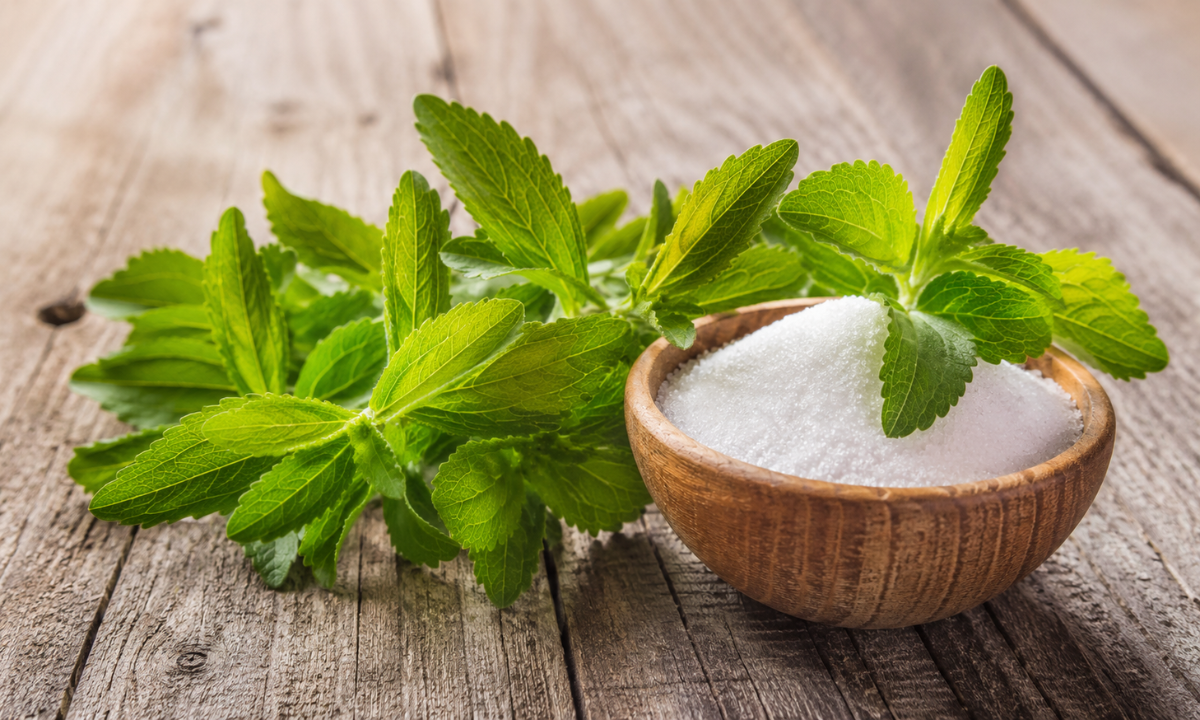
Stevia is a natural, zero-calorie sweetener extracted from the leaves of the Stevia rebaudiana plant, native to South America. The sweet compounds in its leaves, called steviol glycosides, are 200 to 300 times sweeter than regular sugar, so only a tiny amount is needed to sweeten tea, coffee, or dessert.
Its popularity in India has grown quickly for three straightforward reasons. First, it contains virtually no calories, making it appealing for anyone watching their weight. Second, it doesn’t raise blood sugar levels, making it a preferred choice for people managing diabetes. Third, unlike artificial sweeteners such as aspartame or sucralose, stevia comes from a plant, giving it a “natural” appeal that many health-conscious consumers trust.
That said, natural doesn’t automatically mean unlimited. Like anything we consume, stevia has a safe upper limit, and that’s where most people lack clarity.
How Much Stevia is Safe Per Day?
The Acceptable Daily Intake (ADI) for stevia is set at 4 mg per kilogram of body weight per day, measured as The Acceptable Daily Intake (ADI) for stevia is set at 4 mg per kilogram of body weight per day, measured as steviol equivalents. This limit was established by the Joint FAO/WHO Expert Committee on Food Additives (JECFA) and is supported by other major food safety authorities, including the US FDA and India’s FSSAI. The ADI represents the amount you can safely consume every day over a lifetime without any appreciable health risk.
In simple terms, the heavier you are, the more stevia your body can safely process. Here’s what that looks like in practical numbers:
| Body Weight | Safe Daily Limit (Steviol Equivalents) | Approx. Stevia Sachets Per Day* |
|---|---|---|
| 50 kg | 200 mg | 8 to 10 sachets |
| 60 kg | 240 mg | 10 to 12 sachets |
| 70 kg | 280 mg | 12 to 14 sachets |
| 80 kg | 320 mg | 13 to 16 sachets |
*One typical tabletop sachet contains roughly 20 to 25 mg of steviol equivalents. Exact amounts vary by brand, so always check the label.
As the table shows, the safe limit is fairly generous. Most people use only 2 to 4 sachets a day in their tea or coffee, comfortably within range. You’d need to consume an unusually large amount, consistently, to exceed the ADI.
That said, keep in mind stevia isn’t confined to your sweetener sachet. It also shows up in diet soft drinks, sugar-free chyawanprash, protein bars, flavoured yoghurts, and packaged juices. If several of these feature regularly in your diet, your total intake can climb faster than you’d expect.
Can Stevia Cause Weight Gain?
This is the question that surprises most people, and the honest answer is that stevia itself doesn’t cause weight gain. It contains almost zero calories, so it can’t directly add to your daily energy intake the way sugar does.
There is, however, an indirect side worth understanding. Some research suggests that regularly consuming intensely sweet flavours, even calorie-free ones, may keep sweet cravings alive. When your taste buds stay trained to expect high sweetness, plain healthy foods like fruit can start tasting bland, and you may find yourself reaching for sweeter snacks more generally.
There’s also what dieticians call the “compensation effect.” People sometimes treat a calorie saving as licence to indulge elsewhere, thinking “I had sugar-free tea, so I can have that extra samosa.” The sweetener didn’t cause the weight gain; the compensation did.
It’s also worth being cautious with stevia-sweetened packaged foods. A “sugar-free” cookie still contains refined flour, fat, and calories. Many people gain weight on sugar-free products simply because the label creates a false sense of freedom. Stevia in your kitchen is a tool; stevia on a processed food label is often a marketing trick.
Side Effects of Too Much Stevia
For most healthy adults, stevia within the ADI is well tolerated. But exceeding the limit regularly, or being sensitive to sugar alcohols often blended with stevia, can bring on a few side effects:
- Bloating and gas: many stevia products are blended with erythritol or other sugar alcohols, which can cause digestive discomfort in sensitive individuals
- Nausea or a bitter aftertaste: highly concentrated stevia extracts can leave a metallic or bitter taste, and some people report mild nausea with large amounts
- Low blood pressure interactions: stevia may have a mild blood-pressure-lowering effect, so people on BP medication should be mindful of large daily doses
- Blood sugar interactions: while stevia doesn’t spike blood sugar, people on diabetes medication should monitor their levels when making any major dietary change
- Possible effects on gut bacteria: early research suggests very high intakes of non-nutritive sweeteners may influence gut microbiome balance, though evidence on stevia specifically remains limited
None of this is a reason to fear stevia. It’s simply a reason to respect the recommended limits, the same way you would with anything else in your diet. If you’re managing diabetes, it’s always worth personalising your sweetener choices with a qualified dietician for diabetes in Delhi such as Avni Kaul, rather than relying on generic guidelines.
Stevia vs Other Sweeteners: Where Does it Stand?
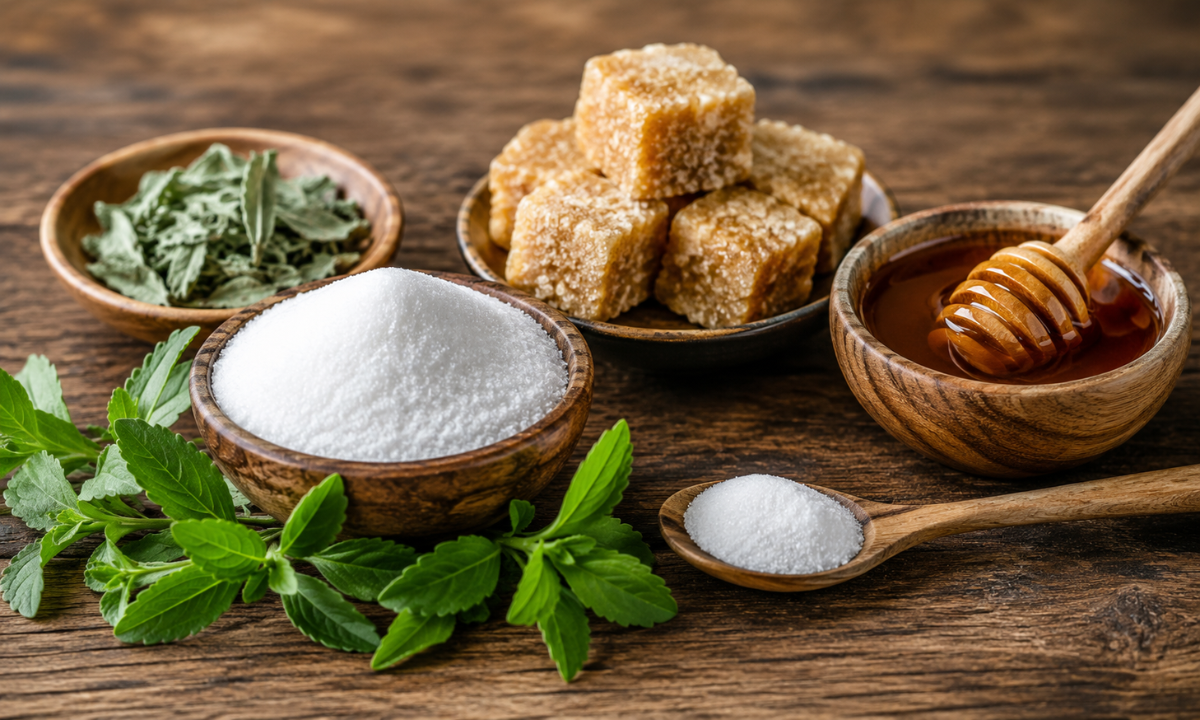
Compared to its alternatives, stevia holds up well. Jaggery and honey, though natural, are still forms of sugar and carry nearly the same calories, so they similarly raise blood glucose. Artificial sweeteners like aspartame and sucralose are calorie-free but synthetic, and many people prefer to avoid them given ongoing safety debates. Stevia offers a middle path: plant-derived, zero-calorie, and diabetic-friendly.
According to the Cleveland Clinic, stevia in its purified form is considered safe for daily consumption within the recommended limits, including for people with diabetes. The key phrase is “purified form,” meaning steviol glycoside extracts, not raw stevia leaves or crude extracts, which aren’t approved by regulators.
A Dietician’s Practical Tips for Using Stevia
Avni Kaul, an award-winning Delhi-based nutritionist and founder of Nutri Activania, has guided thousands of clients through sustainable sugar reduction and recommends a balanced approach to stevia rather than an all-or-nothing one. Her practical advice: use stevia as a bridge, not a destination. Start by replacing sugar in your tea, coffee, and homemade desserts with stevia, while simultaneously working on gradually reducing your overall dependence on sweetness. Over a few months, your palate naturally adjusts, and you’ll find yourself needing less sweetener of any kind.
She also suggests reading labels carefully, choosing pure stevia or stevia-erythritol blends from trusted brands, and being extra cautious with “sugar-free” packaged snacks, which often compensate with refined carbs and unhealthy fats. And if you have diabetes, PCOS, thyroid issues, or are pregnant, personalise your plan with a professional rather than relying on generic internet rules.
Conclusion
So, how much stevia is safe per day? For a 60 kg adult, up to roughly 240 mg of steviol equivalents daily, translating to about 10 to 12 sachets, far more than most people ever use. Stevia doesn’t directly cause weight gain, though sweet cravings and sugar-free marketing traps can quietly undo its benefits if you’re not mindful. Used sensibly, stevia is one of the safest sugar substitutes available today, particularly for people managing weight or blood sugar. The real goal, though, isn’t swapping one sweetener for another, but gradually training your taste buds to enjoy less sweetness overall. That’s where lasting results come from.
FAQs
Is Stevia Safe For Daily Use?
Yes. Global health authorities, including the WHO and FDA, consider purified stevia extracts safe for daily consumption within the ADI of 4 mg per kg of body weight. For most adults, normal daily use falls well within this limit.
How Many Stevia Packets Can I Have In A Day?
Depending on your body weight, around 8 to 14 sachets a day would still be within safe limits. Since most people use only 2 to 4 sachets daily, there’s a comfortable safety margin. Always check your brand’s label, as concentrations vary.
Does Stevia Spike Insulin?
No. Stevia has a glycaemic index of zero and doesn’t raise blood sugar or insulin levels in any meaningful way, which is why it’s commonly recommended as a sugar substitute for people with diabetes.
Is Stevia Safe During Pregnancy?
Purified steviol glycosides are generally considered safe during pregnancy within the ADI. However, whole-leaf stevia and crude extracts aren’t approved. Pregnant women should always confirm sweetener use with their doctor or dietician.
Which Is Better, Stevia Or Jaggery?
They serve different purposes. Jaggery is natural but still sugar, with almost the same calories and blood sugar impact. Stevia is calorie-free and doesn’t affect glucose levels. For weight management or diabetes, stevia is the better choice; for occasional traditional use, jaggery in small amounts is fine.