
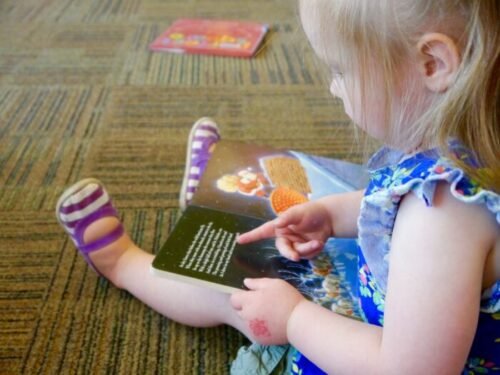
A newborn’s brain is the 1/4th size of an adult brain and at age five to six, the brain reaches the size of an adult brain. Needless to say, the first 5 years of a child are very crucial for brain development that is essential for a child to think clearly, learn new skills, to develop good concentration levels and more.
Now the question is how parents can help their children to boost their brain development?
India’s top Dietician for children Avni Kaul shares that the human brain is structurally made up of fats that allows it to function properly. When the child gets enough of the RIGHT kind of fat and nutrition, their brain grows and forms strong cellular membranes that allow their neurotransmitters to communicate throughout the brain. This helps a child to think, learn, communicate, and behave appropriately.
Nutritionist Avni Kaul adds, “in other words child’s brain requires an immense amount of energy and nutrients in order to develop and run properly. Hence every parent must make sure that they give their child a diverse, healthy diet full of things like iron, proteins, vitamins, and minerals. “ In this blog Nutritionist Avni shares some of the key brain development foods that parents must give to their child every day:-
1. Eggs are a super food for a child’s brain development. Give your child one egg every day. It can be boiled /poached /scrambled or an omelet. Remember if you prepare an omelet, don’t overcook it or else it will destroy the eggs’ nutrients. Remember eggs are the storehouse of protein, vital vitamins, minerals, and antioxidants and choline, which helps memory development.
2. Curds excellent food and taking it regularly helps with the growth of brain tissues and neurotransmitters. Curd made from un-toned milk contains fat and Vitamin B12 which is important for brain health. Include a cup of curd to your child’s daily diet but make sure the curd is given at room temperature. Otherwise frozen or chilled curd may affect the child’s tonsils.
3. Whole grain: a child’s brain requires constant energy dose. Adding whole grain like barley, oats, wheat, rice, jowar and bajra in your child’s daily diet will ensure fiber intake that regulates glucose level in the body plus it will supply micronutrients like B Vitamins which are important for mental health.
4. Peanuts are packed with protein, essential fatty acids, vitamins, minerals, nuts and helpful for a mood boost and keep the nervous system in check. Peanuts and peanut butter are a good source of vitamin E, a potent antioxidant that protects nervous membranes. Thiamine helps the brain and nervous system use glucose for energy. A must for your kids!
5. DHA for Vegetarians: though DHA is not food, it is short for docosahexaenoic acid. DHA is an omega-3 fatty acid that is extremely necessary for brain development, eye health, and supporting many aspects of health throughout the body. For children, having appropriate levels of DHA is critical for proper brain growth and development. For a vegetarian family, a good source of DHA are Chia Seeds, Soya bean and walnuts.
6. DHA for Non-Vegetarians: If you’re a non-vegetarian then give your child either of the following fishes, 2 -3 times a week – Mackerel, Sardines, and salmon. These fishes are not only rich in Omega 3 fatty acids but also a great source of, Vitamins, protein and phosphorous.
Note: sometimes a child can be allergic to some of the mentioned food hence it’s advisable to consult and know the food intake quantity for your child from a physician or a qualified nutritionist.