
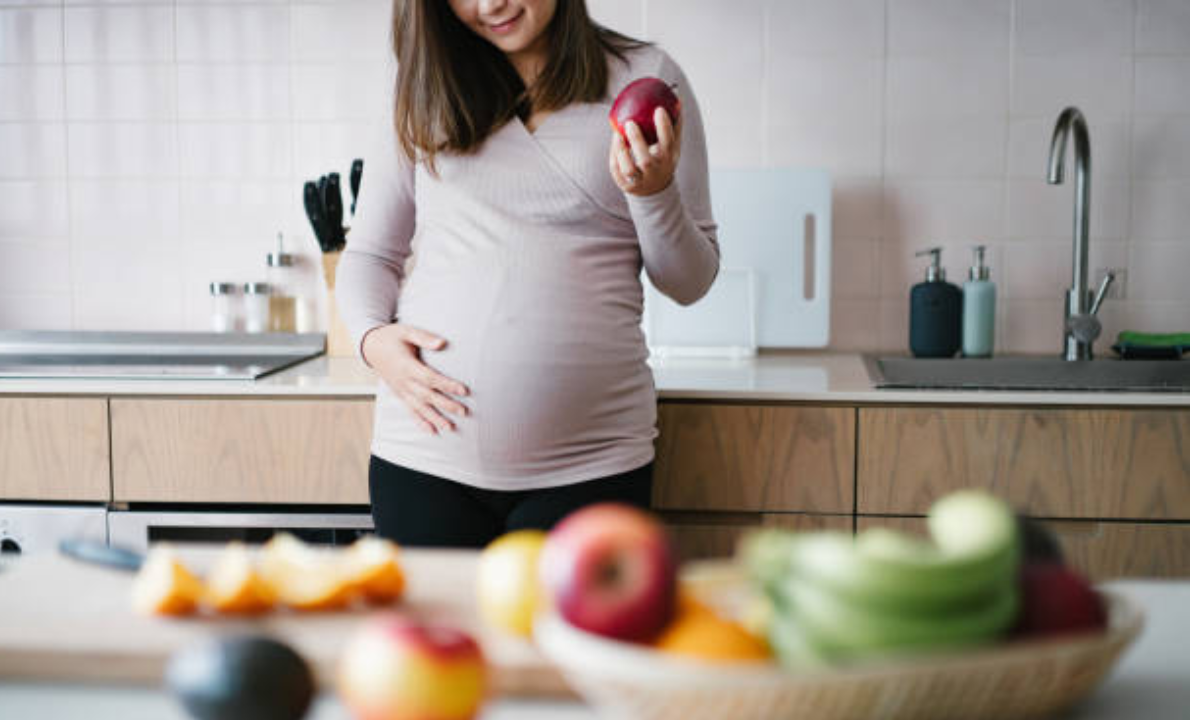
Are you pregnant and wondering what to eat in your first month?
Don’t worry. I am Avni Kaul, a leading pregnancy Dietitian in Delhi, and I am here to make it easy for you. In this blog, you will find a simple, practical Indian diet chart for your first month of pregnancy, foods to avoid, tips to stay healthy, and answers to common questions asked by mothers like you.
Why is Diet Important in the First Month of Pregnancy?
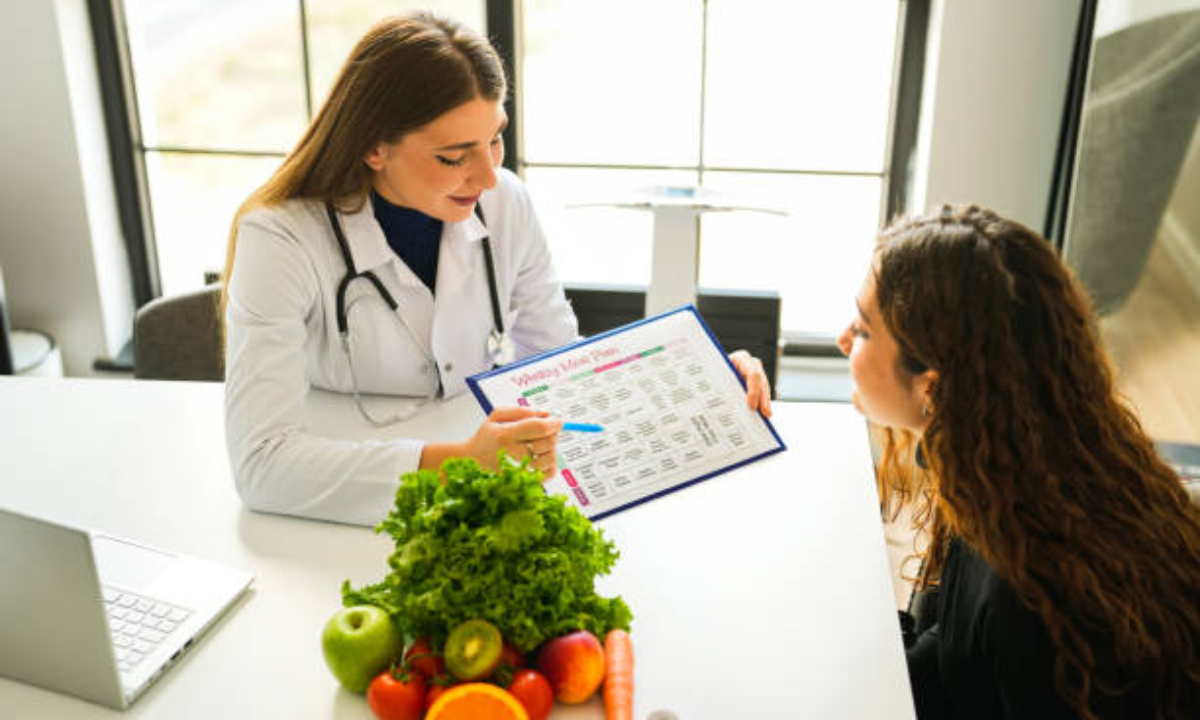
The first month of pregnancy is crucial as your baby’s major organs start forming. Many women do not even realize they are pregnant in the first few weeks. However, nutrition during pregnancy time lays the foundation for your baby’s growth and development.
Eating the right foods helps:
- Your baby’s proper growth
- Reduce tiredness and nausea
- Keep your immunity strong
- Prevent vitamin and mineral deficiencies
- Support the hormonal changes happening in your body
When you eat well, it also keeps your mood stable and reduces emotional swings caused by hormonal shifts.
Understanding Your Body Changes in the First Month
In the first month, you may not look pregnant, but many changes are happening inside:
- Your body is producing more hormones to support pregnancy
- You may feel tired, sleepy, or emotional
- Some women experience mild cramps or spotting
- Nausea or morning sickness may begin by the end of the first month
That is why eating small, healthy meals becomes important to manage these symptoms and support your baby.
First Month Pregnancy Diet Chart (Indian)
Here is asimple Indian diet chart for the first month of pregnancy. Adjust portions based on your hunger and comfort. Always check with your doctor if you have health conditions like thyroid, diabetes, or PCOS before following any diet plan.
Early Morning (6-7 AM)
- A glass of warm water: Helps flush out toxins and keeps your digestion smooth.
- 4-5 soaked almonds OR 2 walnuts: Good fats and omega-3 are essential for your baby’s brain development.
Breakfast (8-9 AM)
- Vegetable poha with peas and carrots OR vegetable upma: Provides carbs, protein, vitamins, and minerals to start your day with energy.
- 1 glass of milk: Gives you calcium and protein.
Why this combination? It gives you energy, calcium, protein, and folic acid to support your baby’s early growth.
Mid-Morning Snack (11 AM)
- 1 seasonal fruit like banana, apple, orange, or pomegranate OR coconut water: Fruits give you fibre, vitamins, and minerals. Coconut water keeps you hydrated and maintains electrolyte balance, especially if you feel dizzy or tired.
Lunch (1-2 PM)
- 2 rotis with ghee: Healthy carbs and good fats keep you full and energetic.
- Dal (lentils) or chole/rajma: Rich in protein and iron for your baby’s growth.
- Mixed vegetable curry (beans, carrots, spinach): Gives you vitamins, minerals, and fibre.
- Small bowl of curd: Good for calcium and digestion.
If you feel full quickly, reduce roti size but ensure dal and vegetable intake.
Evening Snack (4-5 PM)
- Roasted makhana (fox nuts) OR handful of peanuts OR vegetable soup with ginger: These are light, protein-rich, and easy to digest snacks. Ginger in soup helps reduce nausea and bloating.
Dinner (7-8 PM)
- Rice with dal and sabzi OR 2 rotis with paneer curry and salad: Light yet nutritious dinner options that provide protein and fibre.
- Warm milk before sleeping: Helps you relax and gives calcium for bone health.
If you feel acidity at night, have an early dinner and keep your meals light.
Hydration During the First Month of Pregnancy
Many pregnant women forget to drink enough water. Dehydration can cause headaches, dizziness, and constipation. Make sure you:
- Drink 8-10 glasses of water daily
- Have coconut water, lemon water, or buttermilk in between meals for hydration and digestion
- Avoid packaged juices with high sugar
Foods to Avoid in the First Month of Pregnancy
Here are some foods you should strictly avoid in the first month:
- Raw papaya and pineapple: May cause uterine contractions.
- Too much tea or coffee: Limit to 1-2 cups a day to reduce caffeine intake.
- Street food: Increases the risk of infections and food poisoning.
- Raw eggs or unpasteurized milk: May carry bacteria that cause harm to you and your baby.
- Processed junk foods: Chips, instant noodles, and fried foods add empty calories without nutrition.
Common Questions in the First Month of Pregnancy
1. I feel very tired and sleepy. Is it normal?
Yes. Your body is working hard to grow a baby. Eat small, healthy meals and rest whenever you feel tired.
2. Should I start eating for two?
No. You do not need to double your food. Focus on balanced, nutritious meals. Overeating can cause unnecessary weight gain.
3. What supplements should I take in the first month?
Your doctor will prescribe folic acid supplements, which are important to prevent birth defects. Some women may also need iron, vitamin D, or calcium supplements.
4. I feel nauseous. What should I eat?
Eat small, frequent meals. Ginger tea, lemon water, and dry snacks like toast or crackers can help reduce nausea. Avoid spicy and oily foods.
My Top Tips for the First Month of Pregnancy
- Eat small meals to reduce nausea and bloating
- Drink plenty of water, coconut water, or lemon water
- Don’t skip folic acid supplements
- Don’t overeat – eat balanced, not double
- Sleep early and rest well
- Avoid stress and keep yourself calm with light walks or meditation
Final Words
Your first month is the foundation of a healthy pregnancy. Eat healthy, home-cooked food, avoid junk, and keep yourself hydrated. Always talk to your doctor before making any diet changes.
If you need personalized guidance, visit my page onBest Pregnancy Dietitian and Nutritionist in Delhi, India, to know how I can support your pregnancy nutrition journey and make these nine months easy and healthy for you.