
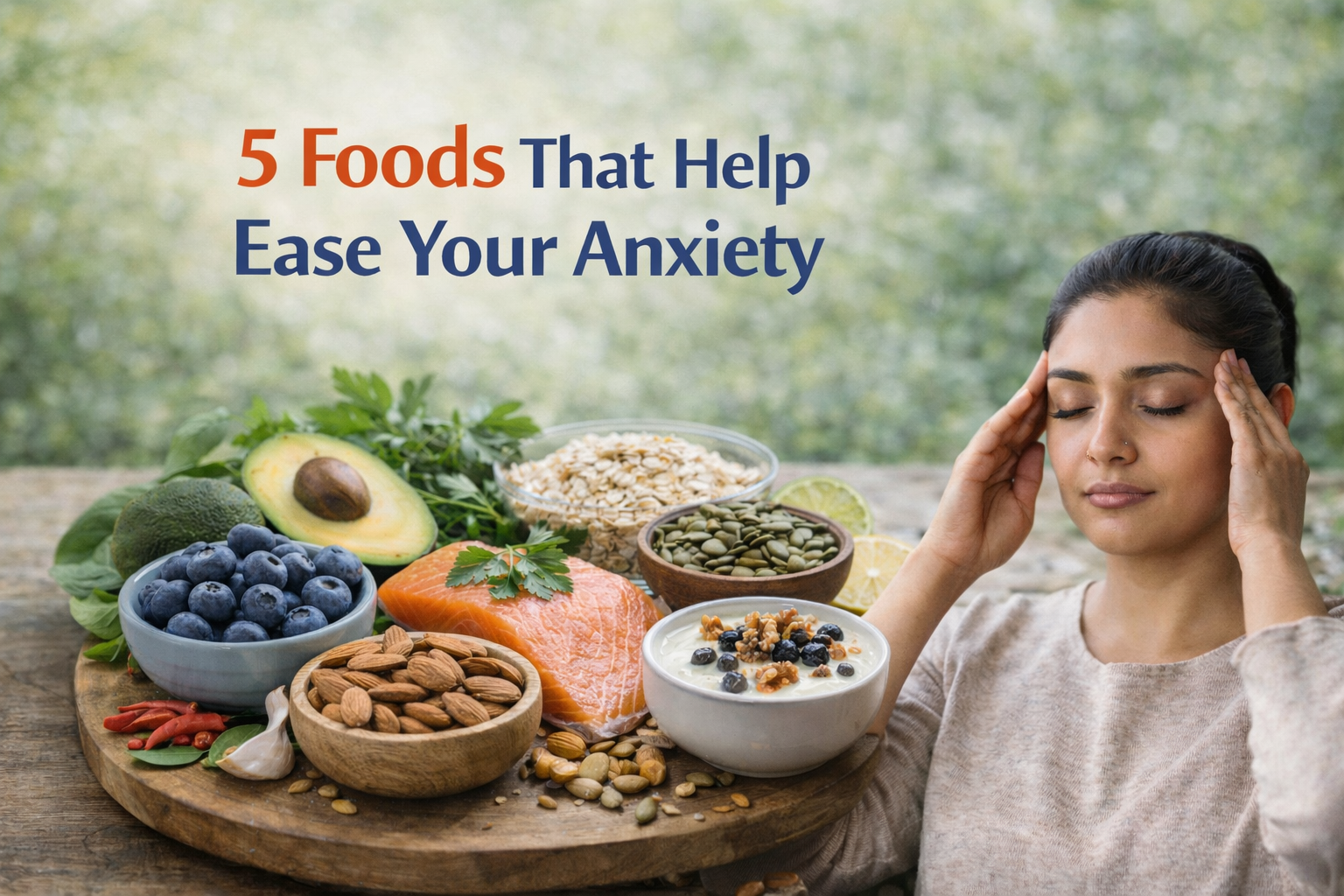
Today’s hectic lifestyle comes with numerous challenges. You need to juggle multiple responsibilities, deadlines, and priorities simultaneously, often leading to anxiety and stress. While popping a few pills or practising meditation and mindfulness can help cope with the pressure, did you know that certain foods can also relieve anxiety?
The food we eat doesn’t just affect our bodies, it can also impact our minds. Some studies show that eating different kinds of food can make us feel happier, think better, and even lessen feelings of sadness and worry. Eminent dietician and nutritionist in India Avni Kaul tells us about 5 such anxiety relieving foods.
Which 5 foods will help ease your anxiety?
Fatty Fish – Consuming fatty fish such as salmon, mackerel, sardines, trout, and herring, which are rich in omega-3 fatty acids like EPA and DHA, can significantly aid in alleviating anxiety. These omega-3s play a crucial role in regulating neurotransmitters, reducing inflammation, and promoting healthy brain function, all of which are essential for managing anxiety.
Moreover, fatty fish like salmon and sardines also provide a good source of vitamin D, which is known to have immunomodulatory, neuroprotective, and neurotrophic properties. Low levels of vitamin D have been linked to depression and anxiety, further emphasizing the importance of adding omega-3-rich fatty fish to one’s diet to support mental well-being and alleviate symptoms of anxiety. Aim for at least two servings of fatty fish per week to reap these benefits and maintain optimal cognitive function and mental health.
Green Tea – If you’re a tea lover, particularly of green tea, then this tip is just for you. Green tea is rich in EGCG (epigallocatechin gallate) and L-theanine, an amino acid known for its stress-relieving properties. Research suggests that L-theanine not only aids in relaxation but also effectively reduces anxiety levels. However, moderation is key, as green tea contains caffeine, which, when consumed excessively, can exacerbate anxiety. Health experts recommend limiting caffeine intake to under 400 milligrams per day for individuals prone to anxiety.
Fortunately, an eight-ounce cup of green tea typically contains between 30 to 50 milligrams of caffeine, making it unlikely to surpass this threshold unless supplemented by other caffeinated beverages. Nevertheless, it’s advisable to avoid consuming green tea too close to bedtime, as the caffeine content may disrupt sleep patterns.
Dark Chocolate – Great news for chocolate lovers! Recent research suggests that dark chocolate can reduce stress and anxiety. Rich in flavonoids, it enhances mood through the gut-brain axis, reducing neuroinflammation and promoting better blood circulation. Tryptophan in dark chocolate boosts serotonin production, while psychoactive components like serotonin and phenylethylamine elevate mood and induce relaxation. Opt for dark chocolate with 70% cacao or more and consume moderately, around 1–3 grams, to fully benefit from its mood-boosting effects.
Chamomile – Chamomile, a herb, is effective in reducing anxiety because it helps regulate mood-related neurotransmitters like serotonin, dopamine, and GABA. Additionally, it aids in balancing the body’s stress response through the HPA axis. Chamomile’s anti-inflammatory, antibacterial, antioxidant, and relaxing properties further contribute to its effectiveness as an herbal remedy for anxiety.
Leafy Greens – Leafy greens like Spinach, Kale, Swiss Chard, etc are rich in magnesium, iron, folate, fiber, and other micronutrients that help reduce anxiety. Whether you steam or stir fry it or add it to your salad, but do make it a part of your daily menu. Thus it is evident that incorporating anxiety-relieving foods like fatty fish, green tea, dark chocolate, chamomile, and leafy greens into your diet can significantly support mental well-being and help manage symptoms of anxiety effectively.