
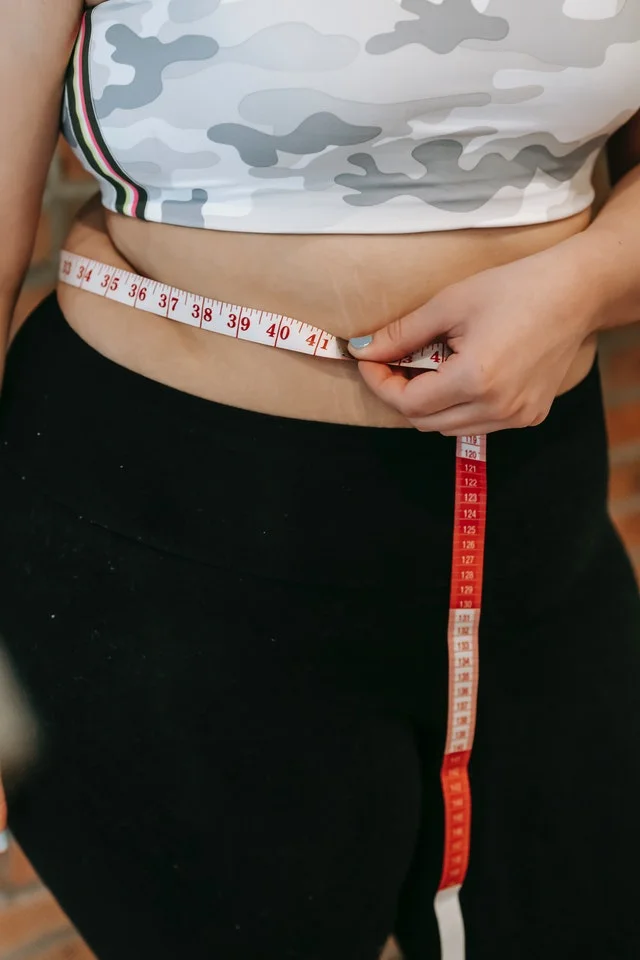

If shedding weight was that easy, then, more than billions of people globally may not have been overweight. Changing old habits is not just difficult, they also cause the onset of several grave health issues, which might or might not be treatable in nature. To some extent, most of us are guilty of delving into unhealthy foods every now and then, and with a hectic work schedule, there is not much time to reduce those extra kilos. Running between one business task and another also adds to the list of things that harm your health.
Nutritionist Avni says, the downside of the scenario is that one does not realise about having taken the wrong health path till one faces consequences, i.e., gain excess weight or acquire multiple lifestyle-related diseases and then one seeks ways to change the scenario.
Here, in this blog, India’s eminent Nutritionist and Dietician for Weight Loss, Avni Kaul, shares a list of the most common habits that makes one gain weight.
Stress Level
Stress is amongst one of the common contributors that leads to weight gain, specifically around one’s waistline. Stress makes most of you over-eat, which usually calms your senses. Amid countering stress, one tends to over-eat and become overweight.
A higher appetite for junk or unhealthy food further leads to increased belly fat and causes several lifestyle-related problems like heart diseases, high blood pressure, diabetes, and others.
So, eat-in moderation and look for alternatives to beat stress.
Eating Rapidly
Eating rapidly is a bad habit, specifically for those who aim to lose weight. A number of people eat their food at a quicker pace, which eventually, paves the way to overeating and then to obesity. When a person eats food quickly, he/she eats a lot more than the body actually requires and demands. The excess food gets stored in the form of fat which causes weight gain.
Eating fast is also known to cause several digestive problems as well. These include weak digestion, metabolic syndrome, insulin resistance, and lower satisfaction. Thus, try to eat slowly and chew more.
Not Drinking Sufficient Water
Drinking at least 8 to 12 glasses of water each day is necessary. But, most of us fail to follow this rule. Poor water intake leads to increased fat deposits in your body. On the other hand, following the rule lets the body excrete toxins and excess fat.
It also promotes skin health and improve brain and memory function. Individuals, who are overweight, should drink sufficient amount of water to help the kidneys and liver function adequately.
Drinking Sweetened Soda
Drinking sweetened soda not only adds to your fat level but also makes way for various chronic diseases like heart diseases, obesity, and other metabolic abnormalities. Soda has artificial sweeteners which can be harmful to the body. It is also one of the main contributors to obesity that has spread worldwide.
Limit the intake of sweet soda and have a calorie budget set for a day. Additionally, working out can assist in reducing those extra kilos and keep the above-said disease at bay.
Skipping Breakfast
Breakfast is undoubtedly one of the most important meals of the day. Skipping breakfast may lead to gaining weight. This is because the body needs an energy boost after a long fasting period and that it should get from breakfast.
Skipping it puts your body into an odd situation. It utilizes the energy stored within it and replaces it with what it gets in the next meal you eat. The energy stored here is more than used, contributing to the accumulation of fats. This is precisely the reason why eating a healthy and heavy breakfast and light dinner is emphasized. Skipping breakfast can also lead to constipation and many serious health-related problems.
Not Doing Exercise
Exercise or physical activities make you healthier and happier. If you are not able to maintain your diet, go for a workout at least 5 days during the week for a minimum of 45 minutes. This will not just boost your energy level but also assist in reducing those extra kilos that have been bothering you.
If you cannot or do not want to go to the gym, then simply dance or indulge in your favorite outdoor sports for 30-45 minutes every day. Exercising also lowers the risk of suffering from cardiovascular diseases and many lifestyle-related issues.
Not Sleeping Properly
Sleepless nights do not just irritate you but may make you fat as well. Fewer hours of sleep or irregularity in sleeping can increase weight, specifically around your waistline. Staying awake for late nights also makes one feel hungry as a result of which one goes for untimely eating patterns.
Getting enough sleep helps in maintaining a healthy diet as well as weight. So, give rest to your body by following a fixed routine to hit the bed and prevent weight gain.
Watching Television While Eating
Watching TV while eating can make one overeat and eventually lead to weight gain. This is because your mind gets distracted from eating and it does not realize when it has to stop eating. If you too have this habit, try and keep a check on how much you eat which watching TV.
Eating food and gaining weight is the easiest activity. Reducing weight and keeping a tab on your eating habits, on the other hand, makes for the hardest tasks.
If you have any of these habits. Try to make an effort to overcome those habits as excessive weight gain is never healthy.
Further, you can read our previous articles related to weight management and reducing it by visiting Do You Know That Eating These Indian Herbs Can Make Reduce Weight? (nutriactivania.com)
Nutritionist Avni Kaul shares the Risks of Belly Fat and Simple Tips to Reduce it (nutriactivania.com)
**This article has been written by team Nutri Activania**
Special Online Diet Program, Designed for Home Quarantine
Do anxiety, boredom, and stress from home isolation are causing you sleeplessness, fluctuations in blood pressure and sugar levels, frequent indigestions? Are you worried about your immunity level and weight gain due to the homestay and due to the absence of morning walks and Gym?
Join Nutritionist Avni Kaul’s special online diet program, designed to keep you fit, reach weight loss goals and boost your immunity while you stay during the home isolation. To know more and book your online appointment, call 9953228642.
Talk to the Nutritionist Avni Kaul to know more about Special online diet programs for weight loss and obesity management, Therapeutic Diets for people suffering from Thyroid, Diabetes, Hypertension, PCOD, Irritable Bowel Syndrome.