
Managing a thyroid condition during pregnancy requires extra care, and knowing the right food to avoid for thyroid during pregnancy is one of the most important steps towards a safe outcome for both you and your baby. Pregnancy naturally increases your body’s demand for thyroid hormone, which means existing thyroid conditions need closer monitoring and more mindful eating. This guide, put together with insights from Avni Kaul, a dietician in Delhi, walks you through exactly what to limit, why it matters, and what to eat instead.
Whether you have hypothyroidism, hyperthyroidism, or were only diagnosed after becoming pregnant, understanding thyroid-safe nutrition helps you support your medication and your baby’s development at the same time.
Why Thyroid Health Matters More During Pregnancy
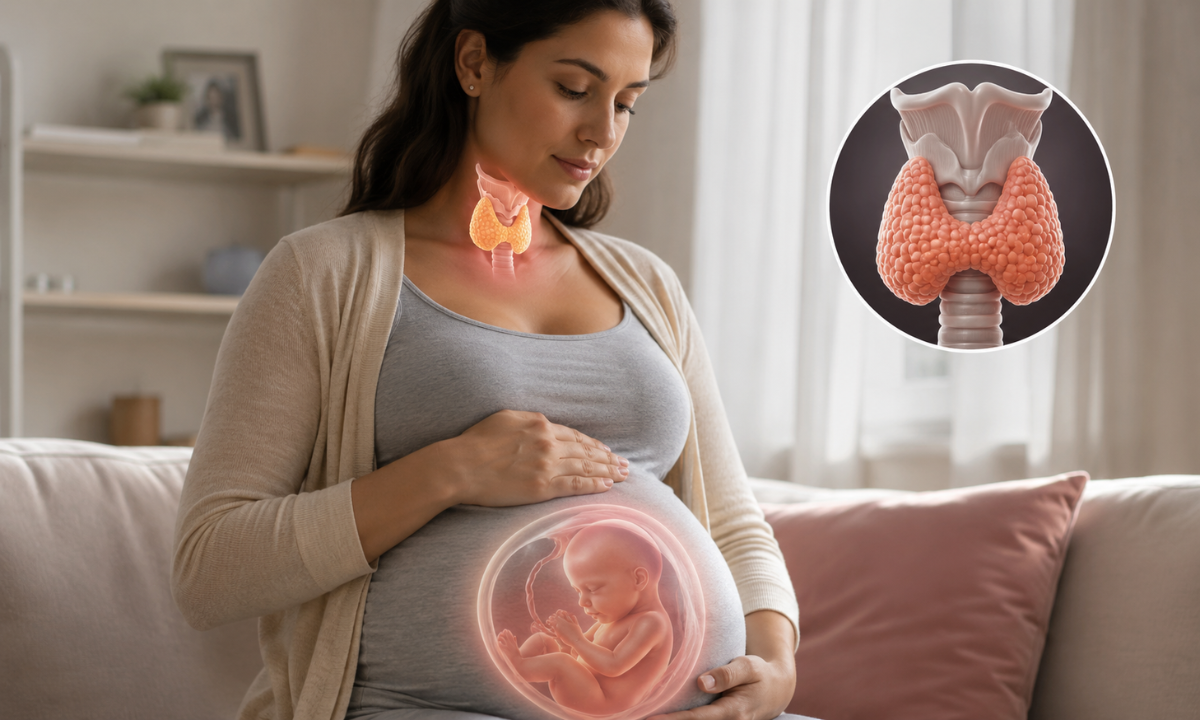
Nutrient-dense brain health foods play a key role in supporting this development throughout pregnancy. Your thyroid hormones play a direct role in your baby’s brain and nervous system development, particularly in the first trimester, before the baby’s own thyroid gland is fully functional. During this time, your baby relies entirely on the thyroid hormone you provide.
Pregnancy also increases your body’s iodine requirement, since the baby draws iodine from your diet to build their own thyroid hormones later on. At the same time, your thyroid medication dosage often needs to be adjusted upward, with regular TSH monitoring throughout pregnancy. This makes diet an important supporting factor alongside your prescribed treatment, not a replacement for it.
Food to Avoid for Thyroid During Pregnancy
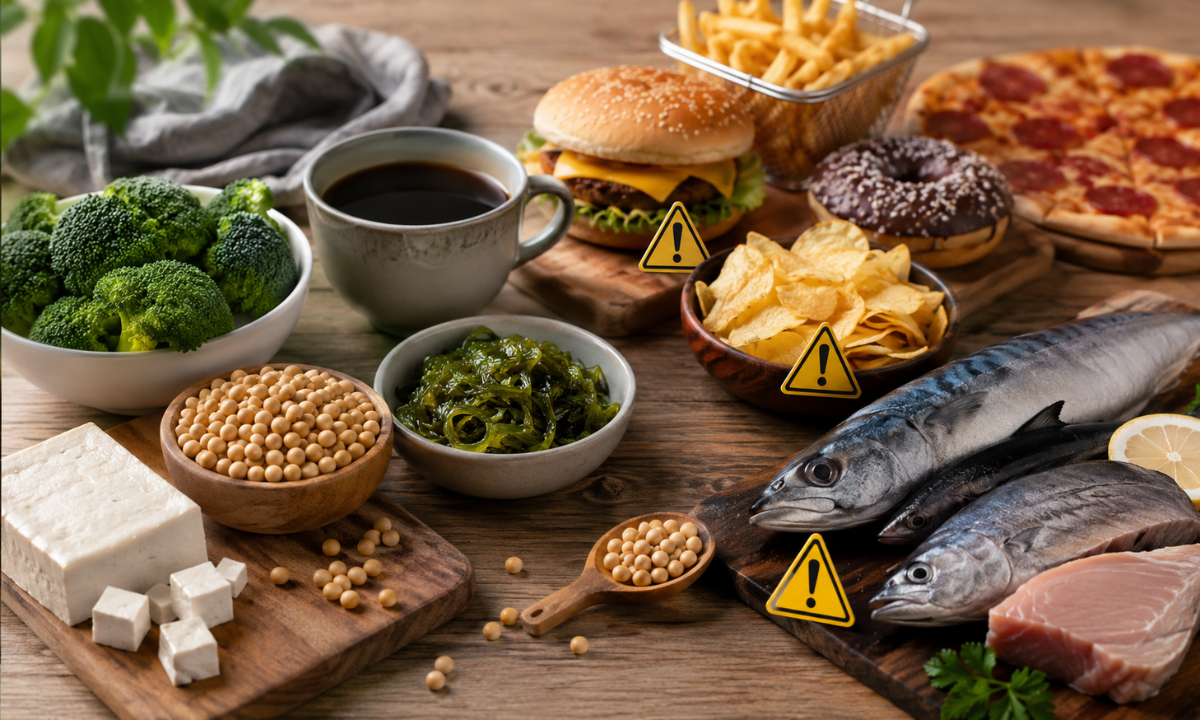
Below is a breakdown of the main food groups pregnant women with thyroid conditions are commonly advised to limit.
1. Raw Goitrogenic Vegetables
Goitrogens are compounds that can interfere with how your thyroid absorbs iodine. These are found in:
- Raw cabbage, broccoli, and cauliflower
- Raw kale and Brussels sprouts
- Raw spinach and mustard greens
Cooking significantly reduces the goitrogenic effect, so lightly cooked servings are generally considered safe during pregnancy. Complete avoidance is usually unnecessary unless advised by your doctor based on your specific TSH levels.
2. Excess Iodine
While iodine is essential during pregnancy, more is not always better. Excess iodine, particularly from supplements or iodine-heavy seaweed products, can worsen certain thyroid conditions. According to the NIDDK, pregnant women need a moderate increase in iodine intake, but excessive supplementation should always be avoided. Be cautious with:
- Seaweed and kelp supplements
- Iodine tablets taken without medical guidance
- Excessive iodised salt intake beyond recommended levels
Your doctor will typically recommend a prenatal vitamin with a controlled iodine dose, so additional supplementation should only be taken under supervision.
3. Soy and Soy-Based Products
Soy contains isoflavones that may interfere with the absorption of levothyroxine, the standard medication for hypothyroidism. Foods to be mindful of include:
- Tofu and soy milk
- Edamame
- Soy protein isolates
If you consume soy, timing it several hours away from your medication dose helps avoid interference with absorption.
4. Caffeine
Caffeine can reduce how effectively your body absorbs thyroid medication, and excessive intake during pregnancy is generally discouraged regardless of thyroid status. It is best to:
- Limit tea and coffee to one to two cups a day
- Avoid caffeine within an hour of taking your medication
- Switch to herbal or ginger tea where suitable for pregnancy
5. High-Mercury Fish
Mercury is a heavy metal that can interfere with both thyroid and fetal nervous system development. Large predatory fish to avoid include:
- Shark and swordfish
- King mackerel
- Bigeye tuna
Smaller, low-mercury fish such as salmon or pomfret, eaten in moderation, remain a safer source of protein and omega-3s during pregnancy.
6. Processed and Packaged Foods
Packaged snacks, instant noodles, and processed meats are often high in sodium and hidden additives, which can strain both thyroid balance and overall pregnancy health.
7. Red Meat in Excess
While lean protein is important during pregnancy, excessive red meat consumption is generally discouraged for thyroid patients, with a preference for lighter protein sources such as poultry, fish, and legumes.
Seasonal fruits during pregnancy are another easy way to round out your prenatal plate.
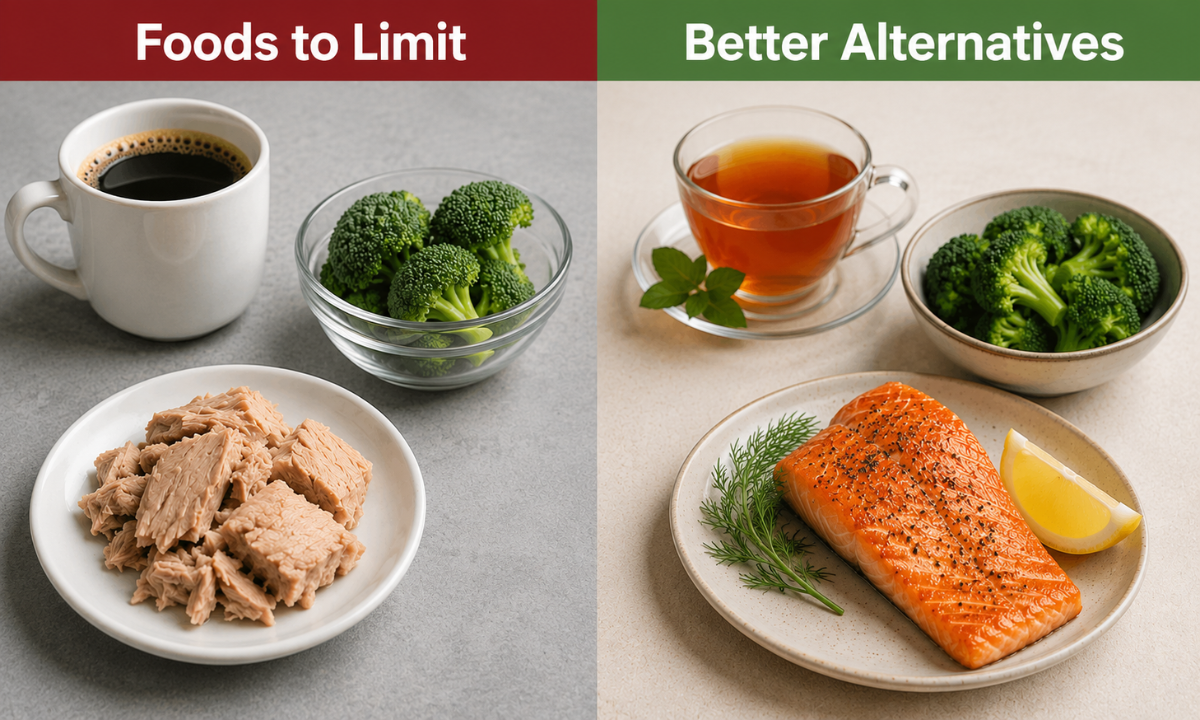
Quick Reference: Thyroid-Safe Eating During Pregnancy
| Food Group | Why to Limit It | Better Alternative |
|---|---|---|
| Raw cruciferous vegetables | May interfere with iodine absorption | Lightly cooked cruciferous vegetables |
| Excess iodine supplements | Can worsen thyroid imbalance | Doctor-approved prenatal vitamin dose |
| Soy products | May reduce medication absorption | Legumes, lentils, paneer |
| Caffeine | Interferes with medication absorption | Herbal or ginger tea |
| High-mercury fish | Risk to thyroid and fetal development | Low-mercury fish like salmon, pomfret |
| Processed and packaged foods | High sodium, hidden additives | Home-cooked, whole-food meals |
| Excess red meat | Heavier on digestion, less ideal protein source | Poultry, fish, dals |
Foods That Support Thyroid Health During Pregnancy
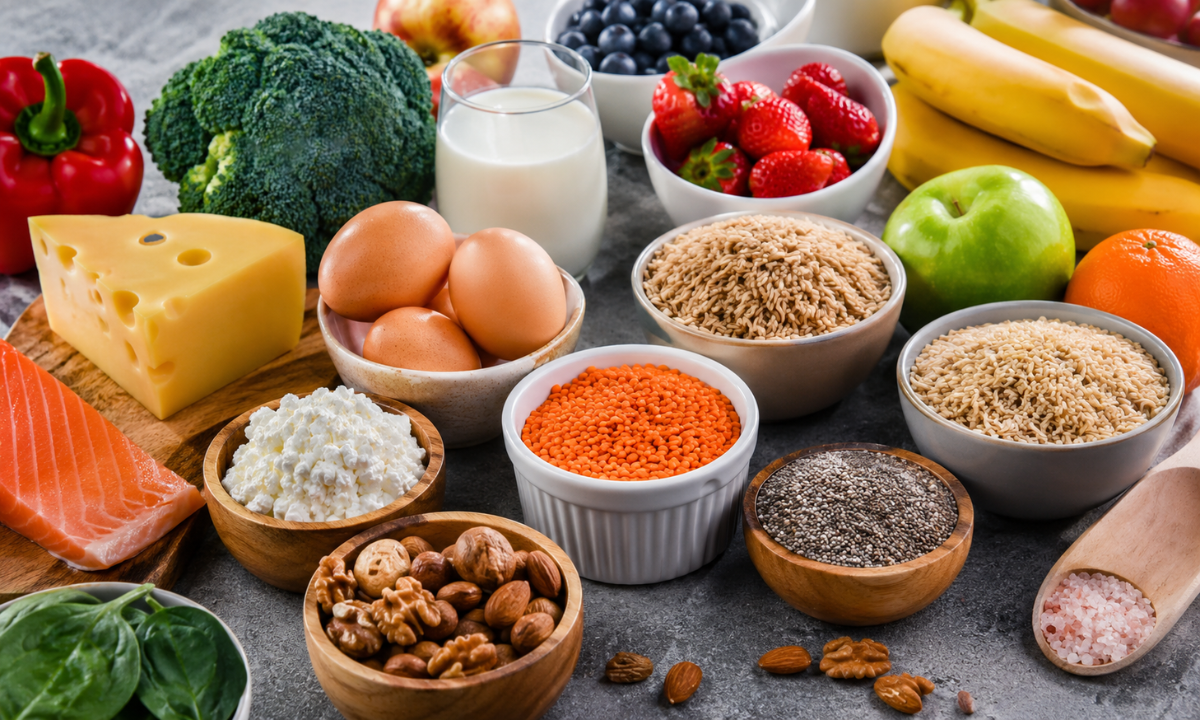
Alongside knowing what to limit, it helps to focus on foods that actively support thyroid function through pregnancy:
- Iodine-rich foods in moderate amounts, such as dairy, eggs, and iodised salt
- Selenium sources like sunflower seeds and lentils, which support hormone conversion
- Iron and folic acid-rich foods, especially important during pregnancy and closely linked with thyroid function
- Fibre-rich whole grains to support digestion, particularly helpful with hypothyroidism-related constipation
- Lean protein sources such as dals, eggs, and poultry to support overall maternal health
A qualified nutritionist in Delhi, Avni Kaul, can help you fit these foods into a plan that works around your specific trimester and medication schedule.
Why Professional Guidance Matters During Pregnancy
Thyroid management during pregnancy is far more sensitive than at other times, since medication dosage often needs adjustment and TSH levels require regular monitoring. This is where working with a qualified dietician in Delhi, Avni Kaul, becomes especially valuable. A generic thyroid diet found online cannot account for your trimester, your current medication dose, or your specific lab results.
As a dietician for thyroid in Delhi, Avni Kaul has helped numerous expecting mothers manage thyroid conditions safely through pregnancy with structured, doctor-aligned nutrition plans.
Thyroid management during pregnancy often overlaps with broader prenatal nutrition needs, including iron, folic acid, and overall calorie requirements. If you need support beyond thyroid alone, her pregnancy nutrition programme is designed to address both together.
Maintaining adequate but not excessive iodine intake during pregnancy is essential for both maternal and fetal thyroid health. Since calorie needs shift throughout pregnancy, running your numbers through our calorie calculator can give you a useful starting point before your consultation.
Conclusion
Managing thyroid health during pregnancy comes down to a careful balance, getting enough of the right nutrients without overdoing iodine, goitrogens, or caffeine. Understanding the foods to avoid for thyroid during pregnancy gives you a practical foundation, but pairing this with guidance from a dietician in Delhi ensures your diet is tailored to your trimester, medication, and lab results rather than generic advice.
To build a nutrition plan around your exact pregnancy and thyroid needs, visit Nutri Activania and book a consultation with Avni Kaul, recognised as one of the best dietician in Delhi for thyroid and prenatal nutrition.
Frequently Asked Questions
Can I eat broccoli and cabbage if I have thyroid issues during pregnancy?
Yes, in moderation and preferably cooked. Cooking significantly reduces the goitrogenic compounds, making these vegetables safe for most pregnant women with thyroid conditions when eaten as part of a balanced diet.
Does thyroid medication dosage change during pregnancy?
Yes. Many women need an increased dose of thyroid medication during pregnancy, which is why regular TSH monitoring with your doctor is essential throughout.
Is it safe to take iodine supplements during pregnancy with thyroid issues?
Only under medical supervision. While iodine needs increase during pregnancy, excessive supplementation, particularly from seaweed-based products, can worsen certain thyroid conditions.
Can caffeine affect my thyroid medication during pregnancy?
Yes. Caffeine can interfere with how well your body absorbs thyroid medication. It is best to wait at least an hour after taking your dose before having tea or coffee.
Should I see a dietician if I have thyroid issues during pregnancy?
Yes. A dietician for thyroid in Delhi can help create a nutrition plan aligned with your trimester, medication dosage, and lab results, offering far more precise guidance than generic online advice.