
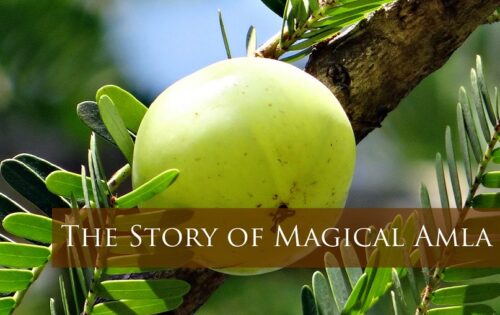
Story of the Magical Superfood Amla

Table of Contents

Do you know our very own “Amla” also known as Indian Gooseberry, is the popular plant that has been used in Ayurveda for thousands of years? Yes, Ayurveda itself is more than 3,000 years ago.

So is there any magical benefit of Amala? 

Yes says Delhi’s top Dietitian and Nutritionist Avni Kaul. She says Amla is often termed as a superfood that has world most potent antioxidant qualities. 

Nutritionist Avni further adds apart from being a strong antioxidant, Amla is also a great source for high vitamin C. Thus amla is an excellent food to enhance immunity, to improve digestion, enhance fertility, and for good hair growth.

In this article, nutritionist Avni Kaul is discussing everything you need to know about the Indian gooseberry (Amla) – and more essentially, the wonderful benefits it provides.

 Amla Reduces Cholesterol

There was a study in 2012 which compared the effects of the Amla on patients with high cholesterol. The study found that the Amla had cholesterol-lowering effects. Amazingly, more benefits were observed in patients who were given the Indian gooseberry.

The study further lamented that including Indian gooseberry in the diet can help prevent coronary artery disease and atherosclerosis.

Amla Improves Immunity

The Indian gooseberry has potent immune-boosting properties. It is a great source of vitamin C, which not only helps to boost immunity but also improves the body’s metabolism. This helps in the prevention of diseases and infection.

Amla Assists in Digestion

The fiber in Amla adds bulk to your stool, helping in maintaining regular and consistent bowel movements.

Eating Indian gooseberry before meals also stimulate gastric juices, thereby providing better digestion and absorption of nutrients.

Amla Improves Eye Health

The vitamin C available in Amla fights bacteria and protects the eye against conjunctivitis and other eye infections. Eating Indian gooseberry daily helps improve vision health. It also makes the eye muscles stronger and provides relaxation to the eyes when they are fatigued and stressed.

Some Ways To Include Amla In Your Diet

The Fruit, Eat It Raw – The ideal way to eat the Indian gooseberry is to have it raw and fresh. If you cannot eat it as it is, you can cut the fruit and have it with some salt sprinkled over it.

Dried Form – You can chop it and dry it under the sun. You can also add some spices to it before drying it. You can eat this dried version of the fruit as a healthy digestive.

Dried Powder – You can properly blend the powder and add a teaspoonful of it to a glass of water. Drink this daily in the morning.

Juice – This is a fine and convenient way to add the fruit to your daily diet. Drinking one glass of fresh Amla juice in the morning will offer you plenty of health benefits.

Important Disclaimer & Medical Policy

Disclaimer: The information provided in this blog post is intended for general informational purposes only. It is not a substitute for professional medical advice, diagnosis, or treatment. Always seek the advice of your physician or other qualified healthcare provider with any questions you may have regarding a medical condition. Never disregard professional medical advice or delay in seeking it because of something you have read in this blog.

Medical Policy: This content does not constitute medical advice, diagnosis, or treatment recommendations. Individual results may vary based on health status, medications, and lifestyle factors. Consult your healthcare provider before making dietary changes, especially if you have diabetes, are pregnant, or have gastrointestinal conditions. Nutritional information is based on general research and may not apply to specific health situations.

Picture of Avni Kaul: Dietitian & Nutritionist in Delhi NCR

Avni Kaul: Dietitian & Nutritionist in Delhi NCR

About the Author

Avni Kaul, MSc (Food & Nutrition, University of Delhi), is a clinical nutritionist
with 12+ years of experience and founder of Nutri Activania, Delhi. Previously a
Dietitian at Max Hospital's Endocrinology Department, she specializes in weight
management, PCOS, diabetes, and holistic health transformation. Avni has helped
thousands of clients achieve sustainable results through personalized, science-backed
nutrition programs.

Consult Avni for personalized nutrition guidance: Book Consultation Now

Share with your network
Popular Blogs
Diet To Reduce High Blood Pressure During Pregnancy
High blood pressure during pregnancy is something I see very often in my practice, and as a nutritionist,...
PCOS Diet for Teenagers
PCOS is increasingly being diagnosed during the teenage years. Early symptoms are often dismissed as...
Best Breakfast for PCOS
Breakfast plays a crucial role in managing PCOS. For many women, poor breakfast choices are the reason...
PCOS Diet for Insulin Resistance
Insulin resistance is one of the most common and misunderstood drivers of PCOS. Many women struggle with...
PCOS Weight Loss Diet Plan
Weight loss with PCOS often feels frustrating. Many women follow strict diets, exercise regularly, and...
PCOS Diet During Periods
Periods can be especially uncomfortable for women with PCOS. Many experience severe cramps, bloating,...
Foods to Eat in PCOS
Choosing the right foods is one of the most powerful tools to manage PCOS naturally. PCOS is closely...
Foods to Avoid in PCOS
Managing PCOS is not only about what to eat, but also about what to limit or avoid consistently. Certain...
PCOS Diet Plan for Indian Women
PCOS is not just a gynecological condition — it is a hormonal and metabolic disorder that affects weight,...
White Bread or Brown Bread: Which is Better for Health?
If you’re torn between white bread or brown bread, brown bread is the clear winner when it comes...

Book Free Consultation Now

See What Your Body Has Been Asking For

Get a Free 30-Minute Consultation