

Hormonal imbalance is something I see often in my clients, and it can affect everything from mood to energy, weight, skin, and even fertility. The truth is, your daily food choices have a direct impact on how your hormones function.
I’m Avni Kaul, a nutritionist and founder of Nutri Activania. Over the years,I have worked with many women struggling with irregular cycles, PCOS, thyroid issues, and unexplained fatigue. What I have found is that diet is not just supportive; it’s often the foundation of restoring hormonal balance.
In this blog, I will explain what is hormonal imbalance, why it is so common, especially in women, the link between PCOS and diet, and how you can use food to balance hormones naturally. I will also share a practical diet chart and tips for addressing hormonal imbalances that you can start implementing today.
What is Hormonal Imbalance?

Hormones are chemical messengers that control metabolism, stress, sleep, reproduction, and even appetite.
A hormonal imbalance happens when there is too much or too little of certain hormones in your body. Even a small shift can cause noticeable symptoms.
Some common signs include:
- Fatigue and low energy
- Irregular or painful periods
- Unexplained weight gain or difficulty losing weight
- Acne or skin changes
- Hair loss or excessive hair growth
- Mood swings or anxiety
When left unaddressed, hormonal imbalance can lead to chronic conditions like diabetes, PCOS, thyroid disease, and infertility.
Hormonal Imbalance in Women
Women are more likely to face hormonal issues because of monthly cycles, pregnancy, postpartum changes, and menopause.
Some of the most common triggers include:
- Stress and poor sleep
- High sugar and refined carb intake
- Sedentary lifestyle
- Nutrient deficiencies (like Vitamin D, magnesium, omega-3s)
- Conditions like PCOS, thyroid disorders, and insulin resistance
This is where food becomes your strongest tool.
PCOS and Diet
Polycystic Ovary Syndrome (PCOS) is one of the leading causes of hormonal imbalance in women. It is often linked to insulin resistance, where the body struggles to use insulin properly.
This leads to irregular cycles, weight gain (especially around the belly), acne, and fertility issues.
From my experience, diet can make a huge difference in PCOS. The right foods can lower insulin resistance, balance hormones, and reduce symptoms naturally.
Foods for PCOS
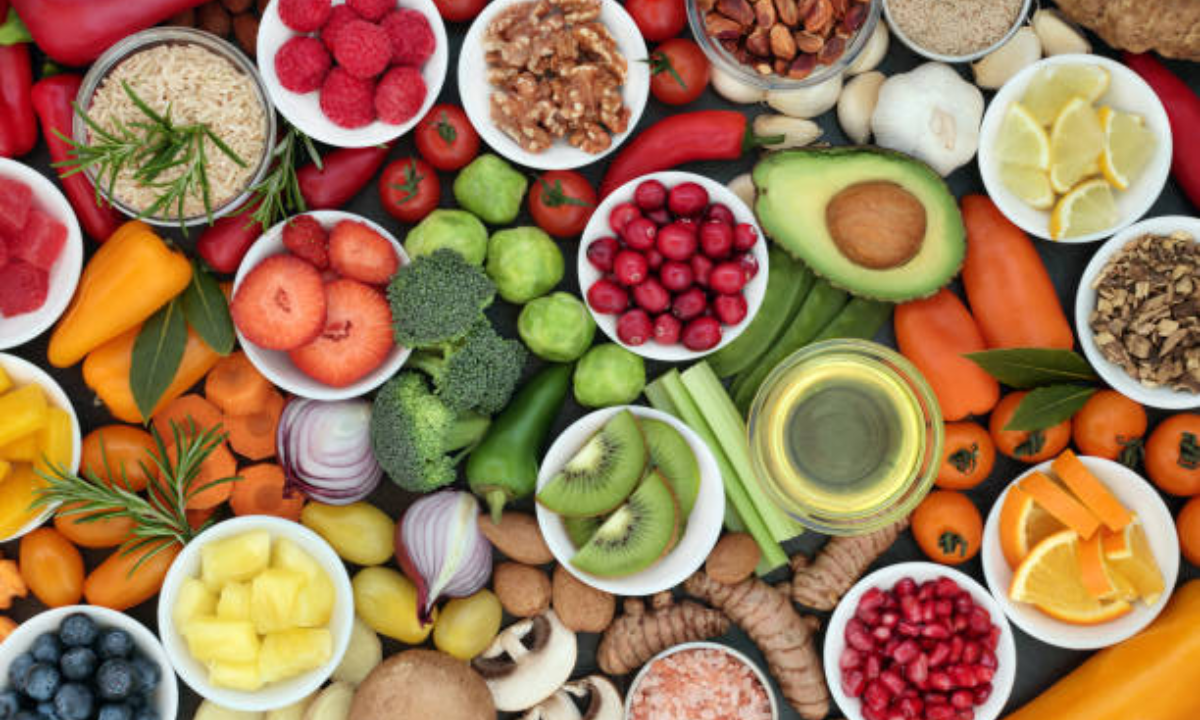
PCOS can be managed through proper dietary choices. Here are some foods that support women with PCOS:
- High-fiber foods: oats, quinoa, brown rice, beans
- Lean protein: eggs, fish, tofu, chicken
- Healthy fats: avocado, nuts, seeds, olive oil
- Anti-inflammatory foods: turmeric, ginger, green tea
- Low-GI fruits: berries, apples, guava
Tip: Avoid refined carbs, excess sugar, and processed snacks, as they worsen insulin resistance.
How to Balance Hormones Naturally Through Diet
Balancing hormones is not about restriction; it’s about making smarter swaps to a suitable PCOS diet plan.
Some natural strategies include:
- Eating smaller, balanced meals regularly
- Choosing whole, unprocessed foods
- Including healthy fats for hormone production
- Adding enough protein to each meal
- Reducing caffeine and alcohol
- Staying hydrated with water, coconut water, or herbal teas
Tip: Practice mindful eating. Stress during meals can affect digestion and hormone regulation.
Hormonal Imbalance Diet Chart (Sample One-Day Plan)
Here’s a simple diet chart I often recommend as a starting point:
| Meal | Foods to Include | Example Option |
| Breakfast | High fiber and protein | Vegetable oats upma with boiled egg |
| Mid-Morning | Fruit and nuts | Apple with soaked almonds |
| Lunch | Whole grains, protein, and veggies | 2 multigrain rotis, dal, sabzi, salad |
| Evening Snack | Low-sugar, light | Green tea with roasted chana |
| Dinner | Lean protein and veggies | Grilled fish/tofu with sautéed spinach |
| Bedtime | Hormone-supporting | Warm turmeric milk (sugar-free) |
Tip: Adjust portions based on activity level and hunger signals.
Role of a Nutrition Expert
As a nutritionist for PCOS and women’s health, I often see clients who try generic internet diets that do not work long-term.
That’s why working with a Dietician for PCOS or a nutritionist for hormonal imbalance can help you understand your body better. A personalized plan considers your symptoms, lab reports, and lifestyle.
Lifestyle Tips Along with Diet
Food is powerful, but lifestyle plays an equal role.
Here are simple habits that support hormone health:
- Get 7–8 hours of sleep daily
- Include 30 minutes of exercise (walking, yoga, or strength training)
- Manage stress with meditation or journaling.
- Avoid late-night snacking
- Track cycles and symptoms to notice progress
FAQs
Q1: Can diet alone fix a hormonal imbalance?
A: Diet is often the foundation for managing hormonal imbalance, but in many cases, lifestyle changes like better sleep, stress management, and exercise are equally important. Sometimes, depending on the severity, medication may also be needed along with diet.
Q2: How do PCOS and diet connect?
A: PCOS is closely linked to insulin resistance, meaning the body doesn’t use insulin properly. A balanced diet with low-GI foods, high fiber, and enough protein helps regulate insulin levels, which in turn balances other hormones and reduces PCOS symptoms.
Q3: What is the best first step for balancing hormones naturally?
A: The best starting point is to cut down on refined sugars and processed foods. Replacing them with whole foods, healthy fats, and quality protein gives your body the nutrients it needs for hormone production and regulation.
Q4: Is there a universal hormonal imbalance diet chart for all women?
A: No, because every woman’s body is different. Age, symptoms, lifestyle, and health history all play a role. While general guidelines help, a personalised diet chart created by a nutritionist gives the best results.
Q5: Are there specific foods for PCOS that help with weight loss?
A: Yes, foods rich in fiber and protein, like quinoa, leafy greens, legumes, and nuts, support satiety and keep blood sugar stable. These not only help with weight management but also improve insulin sensitivity in women with PCOS.
Final Thoughts
Managing hormonal imbalance is not about drastic diets; it’s about making consistent, sustainable changes that support your body’s natural balance.
As the founder of Nutri Activania, I, Avni Kaul, believe that a personalized diet and lifestyle plan is the most effective way to regain energy, regular cycles, and overall well-being.
With the right foods, guidance from a nutritionist for PCOS, and a sustainable hormonal imbalance diet chart, you can take charge of your health naturally. At Nutri Activania, I have seen countless women transform their lives by focusing on the power of food, and so can you.