

In recent years, the connection between gut health and overall well-being has gained significant attention in nutritional science and health care. Far beyond digestion, the gut plays a pivotal role in regulating various bodily functions, including metabolism, immunity, and even mental health. A healthy gut can be a crucial factor in achieving sustainable weight loss and maintaining optimal energy levels throughout the day.
Understanding Gut Health
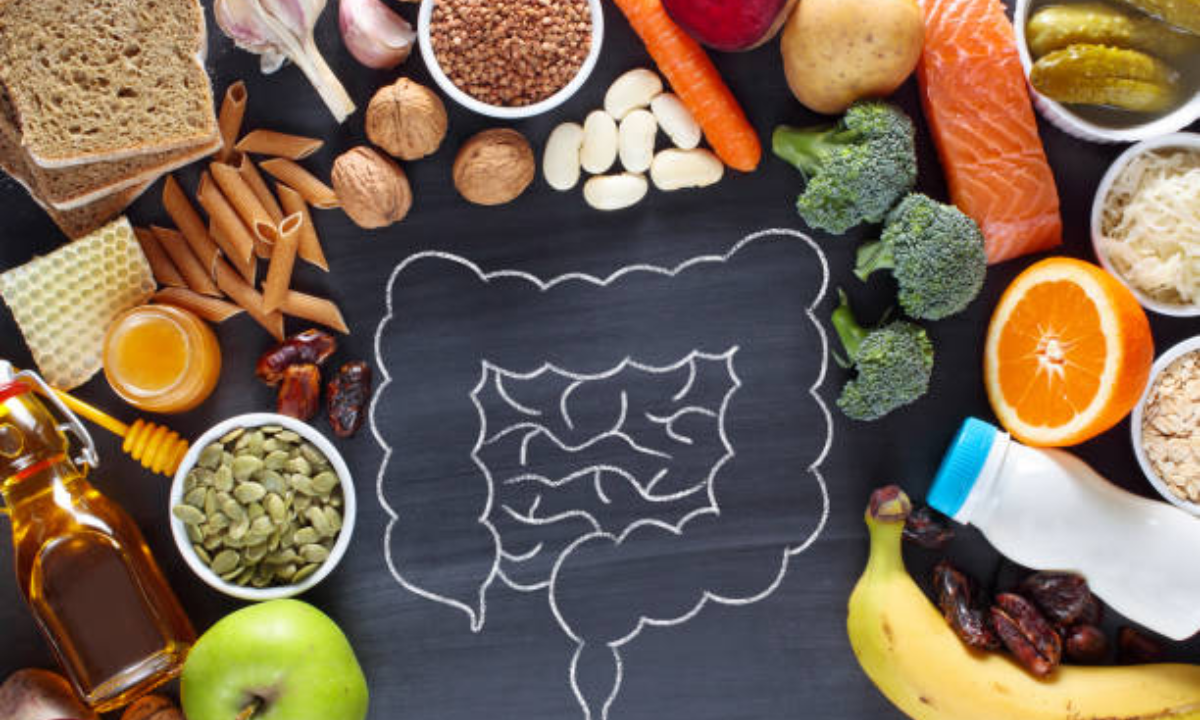
The term gut health refers to the balance and function of bacteria and microorganisms in the digestive tract. This complex system, known as the gut microbiome, impacts how the body processes food, absorbs nutrients, and responds to hormones involved in hunger and energy. An imbalance in gut bacteria—often caused by poor diet, stress, or medications—can disrupt these processes and contribute to weight gain, fatigue, and digestive disorders.
Maintaining the integrity of the gut lining and fostering the growth of beneficial bacteria are essential for ensuring efficient nutrient absorption and metabolic performance. When the gut is functioning optimally, the body can efficiently convert food into energy and regulate fat storage, leading to improved vitality and healthier body composition.
How Gut Health Influences Weight Loss
The gut microbiome influences weight management in multiple ways. One of the most notable is its effect on the regulation of appetite and energy utilization. Certain gut bacteria help produce short-chain fatty acids (SCFAs), which are linked to enhanced fat burning and improved insulin sensitivity. These biochemical changes support the body’s natural mechanisms for weight loss.
Additionally, gut microbes can affect how dietary fats are absorbed and stored. Some bacterial strains may encourage fat storage, while others promote fat breakdown. This variability in microbial activity explains why some individuals find it harder to lose weight despite consuming similar diets to others.
Inflammation, another key factor tied to weight gain, is often rooted in poor gut health. When the gut lining becomes permeable—a condition sometimes called “leaky gut”—inflammatory markers rise and disrupt normal metabolic function. Reducing gut inflammation by restoring microbial balance can aid in more effective weight loss efforts.
Boosting Energy Through Gut Health
Persistent fatigue is often misattributed to sleep deprivation or overwork, when it can stem from compromised gut health. A healthy gut ensures the optimal absorption of vitamins and minerals, including B vitamins, magnesium, and iron—all critical for sustained energy production.
An unbalanced gut can hinder the body’s ability to convert nutrients into usable energy, leaving you feeling sluggish even after a good night’s sleep. Moreover, serotonin, a neurotransmitter associated with mood and vitality, is largely produced in the gut. An unhealthy gut can therefore impact mental clarity and emotional well-being, compounding feelings of low energy.
Restoring gut health not only improves physical energy but also supports mental stamina and mood stability, contributing to better focus and performance in daily activities.
Probiotics for Weight Loss and Gut Balance
One of the most effective strategies for restoring gut balance is the use of probiotics for weight loss. Probiotics are live microorganisms that help populate the gut with beneficial bacteria, improve digestion, and enhance metabolic function.
Different strains of probiotics serve specific roles, and selecting the right ones can aid in reducing belly fat, controlling appetite, and improving insulin response. The inclusion of probiotics for weight loss in a well-rounded nutritional plan can help reset the gut microbiome, especially after disruptions caused by antibiotics or dietary imbalances.
A diet that supports probiotic activity, along with adequate hydration and regular physical movement, contributes significantly to a robust and diverse gut microbiome.
Gut Health and Irritable Bowel Syndrome (IBS)
Irritable bowel syndrome (IBS) is a common gastrointestinal disorder that severely impacts gut health and quality of life. It causes symptoms such as bloating, abdominal pain, and irregular bowel movements. While the exact cause remains unclear, individuals with IBS often show an imbalance in gut flora and increased gut sensitivity.
Addressing Irritable bowel syndrome (IBS) through targeted dietary interventions and microbiome support can significantly alleviate symptoms. In many cases, restoring microbial diversity and improving digestion through lifestyle changes and professional guidance yields long-term relief.
Working with the Best Gastrointestinal Dietician can help manage IBS symptoms effectively while supporting weight management goals and energy optimization. A personalized plan that aligns with your gut needs and dietary preferences can drastically transform your physical and emotional health.
Choosing the Right Expert for Gut and Weight Management
Healing your gut and achieving optimal energy levels is not a one-size-fits-all solution. It requires individualized strategies crafted by professionals understand the complex relationship between nutrition and microbiota. Consulting with the Best Gastrointestinal Dietician provides the benefit of clinical insight and experience in gut restoration therapies.
Furthermore, if you’re on a journey to reduce weight while managing gut-related challenges, guidance from the best weight loss Dietician can help ensure that both gut function and weight goals are effectively addressed. A trained professional can evaluate symptoms, identify dietary triggers, and develop a program tailored for holistic well-being.
Why Gut Health Should Be Your Wellness Priority
Modern lifestyles often undermine gut integrity through poor eating habits, chronic stress, and environmental pollutants. By prioritizing gut health, individuals can strengthen their immune system, regulate hormones, enhance digestion, and boost mental clarity.
More importantly, gut health is foundational for achieving sustainable weight loss and maintaining long-term energy. It bridges the gap between external physical changes and internal wellness, ensuring that any transformation is visible and lasting.
Conclusion: Nurturing Gut Health with Nutri Activania
For those seeking long-lasting change through dietary intervention, Nutri Activania provides a science-backed, personalized approach to restoring gut health, improving energy levels, and supporting weight loss. Renowned Nutritionist in Delhi, Avni Kaul combines modern nutrition science with holistic well-being practices to offer tailored solutions that cater to each individual’s unique needs.
If you’re ready to transform your health from the inside out, Nutri Activania offers the tools, knowledge, and support to make that journey achievable and sustainable.