
Maintaining good health starts with understanding what we eat and how it impacts our bodies.
A well-planned, balanced diet gives us the right nutrients from many food groups. It helps us stay active, energized, and protected from illness.
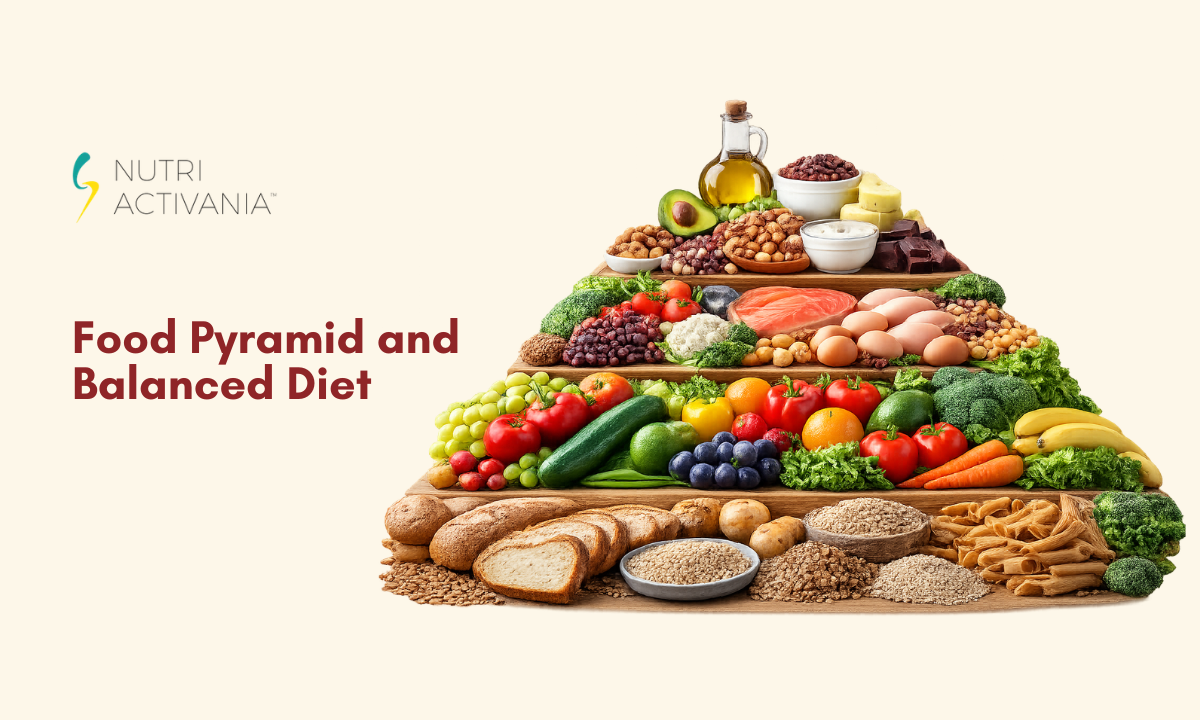
One of the best ways to understand healthy eating is the healthy eating pyramid. It gives a clear guide for eating many foods in the right amounts.
Understanding Food Groups and a Balanced Diet
A balanced diet includes foods from all major food groups. It helps the body get essential nutrients. These include carbohydrates, proteins, fats, vitamins, and minerals. Eating a wide variety of foods helps maintain proper body function and supports overall wellness.
The main food groups include:
- Fruit and vegetables
- Dairy products
- Grains like potatoes, bread and rice
- Good sources of protein, such as pulses, eggs, fish, and meat
- Healthy fats and oils
Each group plays a vital role in maintaining good health and preventing deficiencies.
The Healthy Eating using the Food Pyramid Balanced Meal
The healthy eating pyramid became popular through groups like the USDA.
These groups wanted to help people choose healthier foods. The pyramid structure shows which foods to consume more frequently and which to limit.
At the base of the pyramid are foods you should eat more often, a principle often recommended by a Dietician in Delhi. Foods at the top should be eaten sparingly.
Grains, Potatoes, Bread, Rice and More
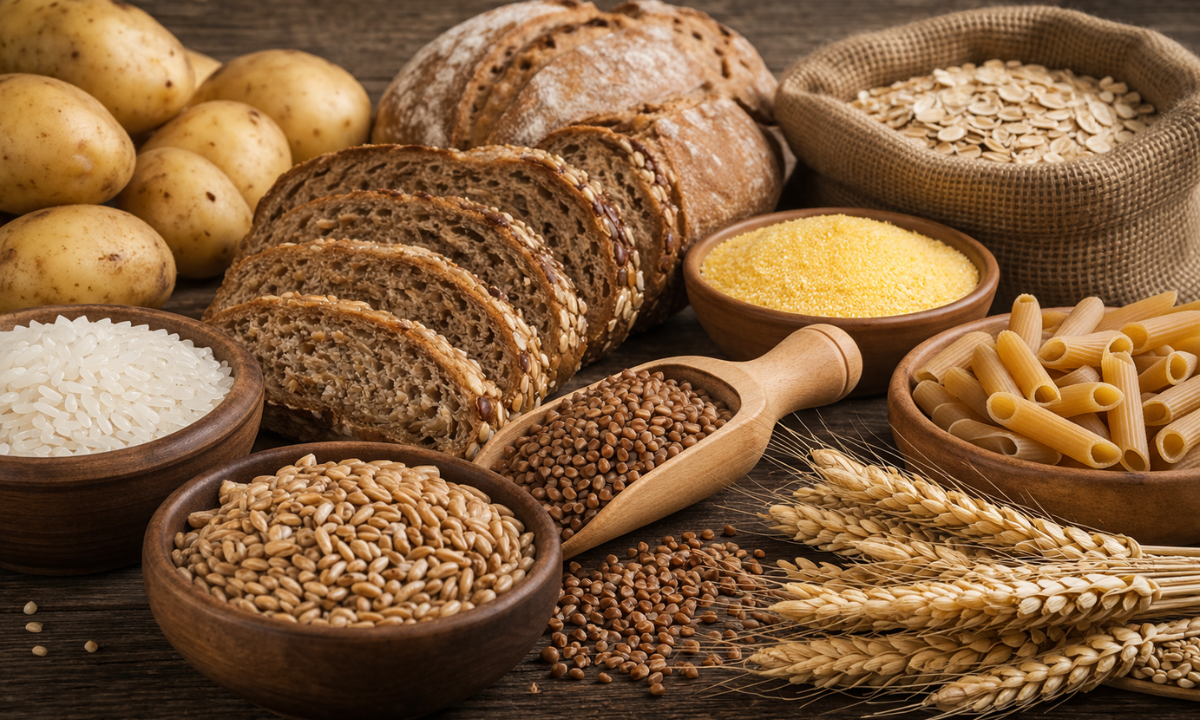
Foods like potatoes, bread, rice and cereals form the foundation of a healthy diet. These carbohydrate-rich foods provide energy for daily activities.
However, choose whole grains over refined ones like white bread. Whole grains have more fiber, vitamins, and minerals. Refined grains may lead to spikes in blood sugar and provide fewer nutrients.
Importance of Fruit and Vegetables
Fruit and vegetables are key to a balanced diet. They provide vitamins, minerals, fiber, and antioxidants. They help boost immunity, improve digestion, and reduce the risk of developing serious health issues.
Eating a wide variety of colorful fruits and vegetables ensures that your body gets different nutrients required for optimal health. Including them in every meal is one of the simplest ways to improve your diet.
Dairy Products and Their Benefits

Dairy products such as milk, yogurt, and cheese are excellent sources of calcium and protein. They help in maintaining strong bones and teeth and support muscle function.
For those who are lactose intolerant, alternatives like plant-based milk can also provide essential nutrients. Including dairy or its alternatives in your daily routine is important for maintaining good health.
Good Sources of Protein
Proteins are essential for growth, repair, and overall body function. Good sources of protein include eggs, fish, chicken, lentils, beans, nuts, and seeds.
Protein intake is especially important for children, athletes, and older adults. It helps maintain muscle mass, supports immunity, and keeps you feeling full for longer periods.
Types of Fat and Their Impact
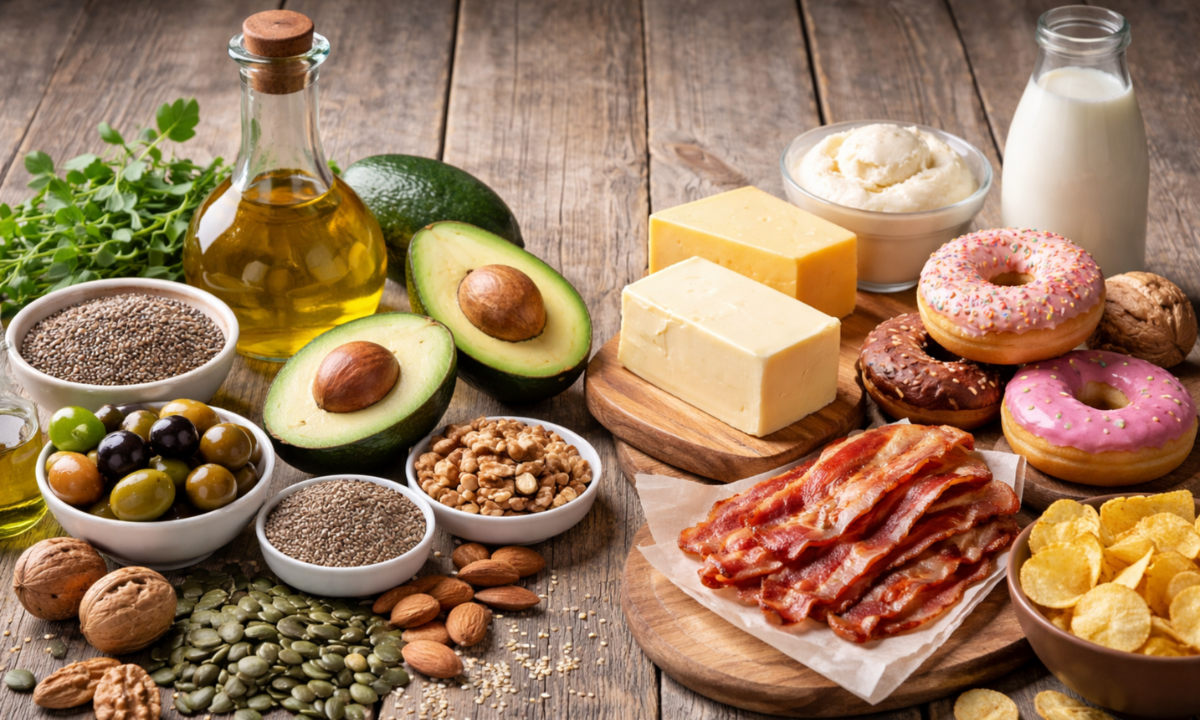
Understanding the types of fat is crucial for a healthy diet. Not all fats are harmful; in fact, some are essential for the body.
- Unsaturated fats are considered healthy and are found in nuts, seeds, and oils.
- Saturated fat is found in butter, cheese, and processed foods and should be consumed in moderation.
Consuming too much saturated fat or foods that are high in fat can increase the risk of heart disease and other health problems. Choosing healthier fat options can reduce the risk of developing chronic conditions.
Risks of Poor Diet
A poor diet lacking essential nutrients can lead to several health issues. Overconsumption of processed foods, sugar, and unhealthy fats increases the risk of developing conditions like obesity, diabetes, and other chronic diseases.
Additionally, diets high in fat and low in nutrients can negatively affect heart health, increasing the risk of heart disease. This is why maintaining a balanced diet is critical for long-term well-being.
Importance of Eating a Wide Variety
Eating the same foods every day can lead to nutrient deficiencies. Instead, focus on eating a wide variety of foods from different food groups.
A diverse diet ensures that your body receives all essential nutrients, including vitamins and minerals, which are necessary for maintaining good health. Variety also makes meals more enjoyable and sustainable.
Building a Balanced Diet
Creating a balanced diet involves combining all food groups in the right proportions. Here are some simple guidelines:
- Include fruit and vegetables in every meal
- Choose whole grains instead of white bread
- Add good sources of protein to support muscle health
- Include moderate amounts of dairy products
- Limit intake of foods that are high in fat, especially those containing saturated fat
- Prefer unsaturated fats over unhealthy fats
By following these steps, you can maintain a healthy lifestyle and reduce the risk of developing chronic diseases.
Conclusion
Understanding the healthy eating pyramid and following a balanced diet is essential for maintaining good health. By consuming foods from all major food groups, including fruit and vegetables, dairy products, grains like potatoes, bread, rice, and good sources of protein, you can ensure your body gets the nutrients it needs.
Being mindful of the types of fat you consume, especially limiting saturated fat and choosing unsaturated fats, can significantly reduce the risk of heart disease and other chronic diseases. Ultimately, eating a wide variety of foods and making healthier choices every day will help you stay fit, active, and healthy in the long run.
For personalized guidance and support in building a balanced diet that suits your lifestyle, book a consultation at Nutri Activania today and take the first step toward a healthier you.