

Mood swings before periods are a common experience for many women, often showing up as irritability, sadness, anxiety or sudden emotional shifts in the days leading up to menstruation, and a dietician in Delhi like Avni Kaul often points out that these mood changes are closely tied to what you eat, not just hormones alone. While hormonal fluctuations are the primary trigger, diet plays a significant role in whether these symptoms ease or worsen. Understanding this connection can help you manage mood swings more effectively through simple, consistent changes to your daily meals.
What Causes Mood Swings Before Periods

Mood swings before periods, often linked to premenstrual syndrome (PMS), are primarily driven by fluctuations in oestrogen and progesterone during the luteal phase of the menstrual cycle. These hormonal shifts directly affect serotonin, the neurotransmitter responsible for regulating mood, sleep and appetite. As oestrogen levels drop before menstruation, serotonin production can dip too, leading to irritability, low mood and heightened emotional sensitivity.
This is not purely a hormonal issue, though. Blood sugar instability, nutrient deficiencies and dehydration can all amplify these mood changes, which is why two women with similar hormonal patterns may experience very different symptom intensities depending on their diet and lifestyle.
Common Symptoms of PMS-Related Mood Swings

Mood swings before periods typically appear five to eleven days before menstruation and can include sudden irritability, tearfulness, anxiety, difficulty concentrating and a general sense of being overwhelmed. Physical symptoms such as bloating, fatigue and breast tenderness often accompany these emotional changes, making the days before a period particularly draining for many women.
Younger women and teenagers experiencing similar mood-related symptoms alongside irregular cycles may benefit from looking into a PCOS diet for teenagers as well.
How Diet Affects Mood Swings Before Periods
Diet influences mood swings before periods through several mechanisms. Blood sugar spikes and crashes from refined carbohydrates and sugar can worsen irritability and fatigue. Deficiencies in magnesium, vitamin B6 and omega-3 fatty acids have been linked to more severe PMS symptoms, including mood disturbances. Caffeine and alcohol can also interfere with sleep quality and hormonal balance, both of which affect emotional regulation during this phase of the cycle.
A steady, nutrient-dense diet in the two weeks before your period can meaningfully reduce the intensity of mood swings by supporting stable blood sugar levels and adequate serotonin production. For women whose mood swings are tied to broader hormonal imbalances, similar dietary principles used in lifestyle changes to help reverse PCOS can also help regulate mood and energy levels more consistently through the month.
Foods That Help Ease Mood Swings
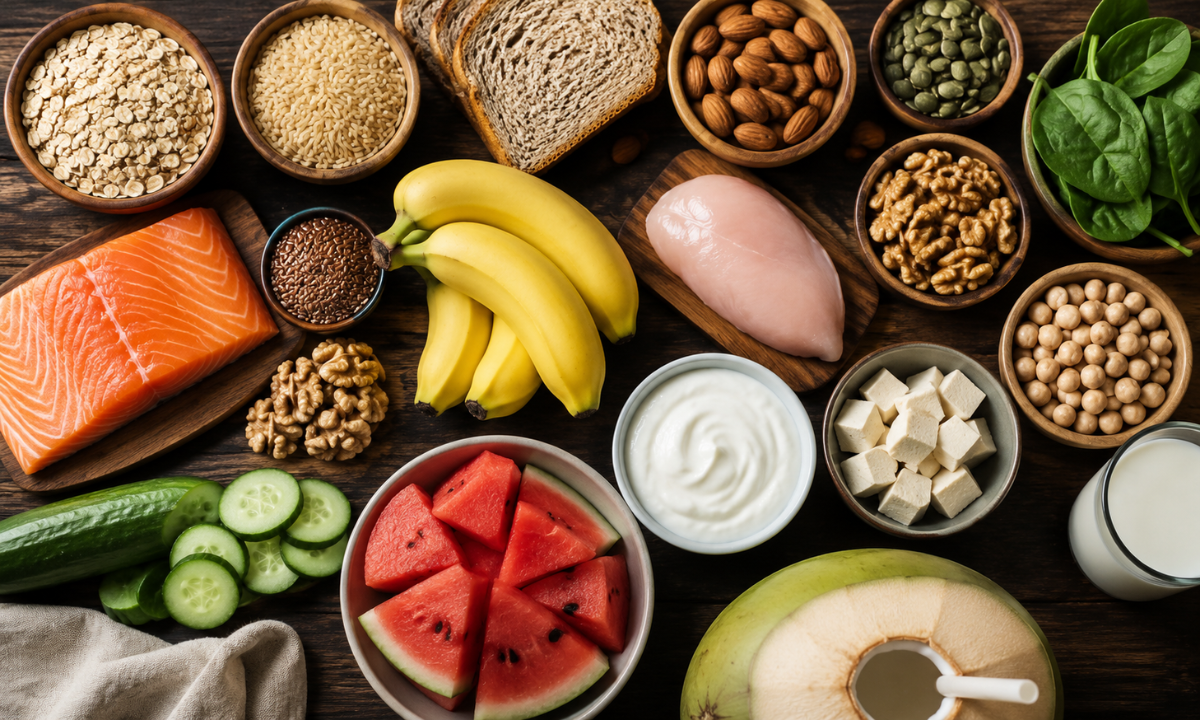
| Food Group | Examples | How It Helps |
|---|---|---|
| Complex carbohydrates | Oats, brown rice, whole wheat | Stabilises blood sugar and supports serotonin production |
| Magnesium-rich foods | Spinach, almonds, pumpkin seeds | Reduces irritability and muscle tension |
| Omega-3 fatty acids | Salmon, walnuts, flaxseeds | Supports mood regulation and reduces inflammation |
| Vitamin B6 sources | Bananas, chickpeas, poultry | Aids neurotransmitter production, including serotonin |
| Calcium-rich foods | Yoghurt, milk, tofu | Linked to reduced PMS severity in several studies |
| Hydrating foods | Cucumber, watermelon, coconut water | Reduces bloating and supports overall energy levels |
Including a mix of these food groups in your daily meals, particularly during the luteal phase, can help reduce both the physical and emotional symptoms associated with mood swings before periods. Many women managing lean PCOS find that similar food choices help ease both their hormonal and mood-related symptoms.
Foods to Limit Before Your Period
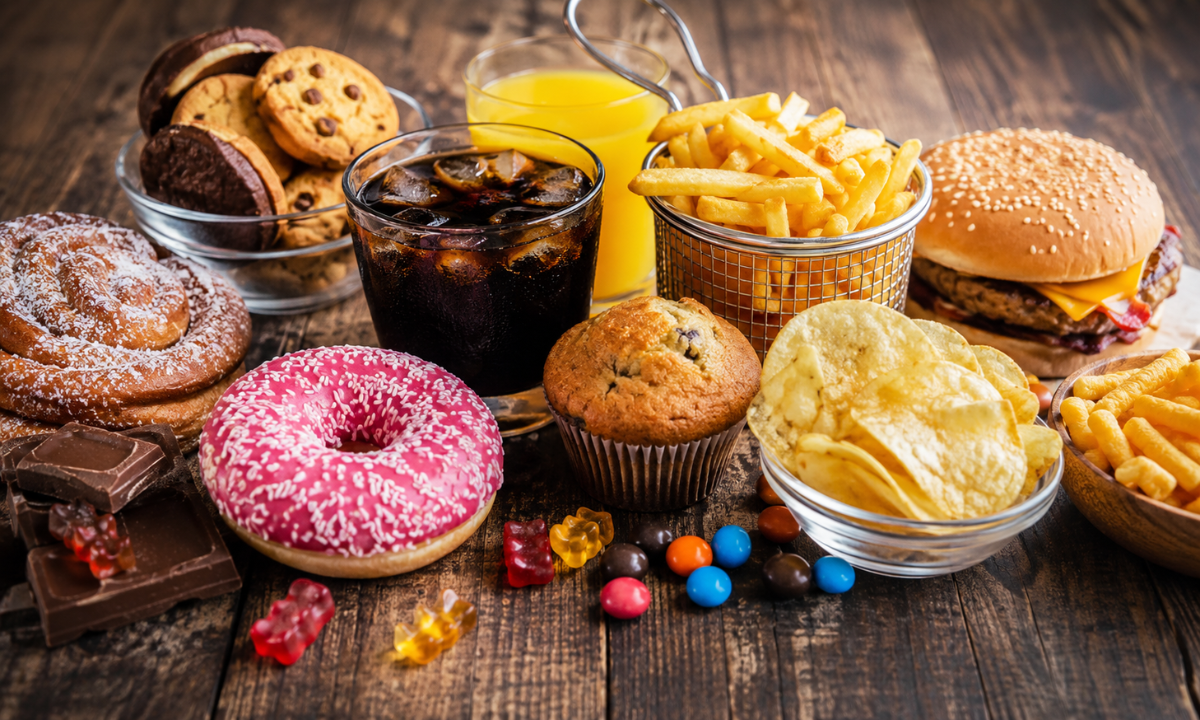
Certain foods tend to worsen PMS symptoms and are worth limiting in the days leading up to menstruation.
- Refined sugar and sugary snacks, which cause rapid blood sugar spikes and crashes
- Excess caffeine, which can heighten anxiety and disrupt sleep
- Alcohol, which interferes with hormonal balance and hydration
- High-sodium processed foods, which contribute to bloating and water retention
- Fried and heavily processed foods, which increase inflammation
Reducing these rather than eliminating them tends to be a more sustainable approach for most women.
Lifestyle Factors Beyond Diet
While nutrition plays a central role, mood swings before periods are also influenced by sleep quality, physical activity and stress levels. Regular movement, even light exercise such as walking or yoga, has been shown to improve mood by boosting endorphin levels. Prioritising seven to eight hours of sleep and managing stress through simple practices such as deep breathing or short breaks during the day can further support emotional stability during this phase of the cycle.
When to See a Dietician
While dietary changes can meaningfully reduce mood swings before periods for many women, symptoms that are severe, persistent or significantly affecting daily life may benefit from professional guidance. This is particularly true if mood swings are accompanied by irregular cycles, which can sometimes point to an underlying condition such as PCOS. A dietician for PCOS in Delhi, such as Avni Kaul can help identify whether hormonal imbalances beyond typical PMS are contributing to your symptoms and build a nutrition plan suited to your specific hormonal profile.
Working with one of the best dietician in Delhi, like Avni Kaul also means your diet plan accounts for your full health picture, including any existing conditions, medication use and lifestyle factors, rather than relying on generic advice. Since PMS symptoms vary considerably from person to person, personalised guidance tends to produce more consistent, longer-lasting results than one-size-fits-all diet tips.
According to the Office on Women’s Health, maintaining a balanced diet, staying physically active and managing stress are among the most effective non-medical approaches to easing PMS symptoms, including mood-related changes.
Frequently Asked Questions
Can diet really reduce mood swings before periods?
Yes, diet plays a meaningful role in managing mood swings before periods. Stable blood sugar levels, adequate magnesium and B6 intake, and sufficient hydration all support better serotonin regulation, which directly affects mood during the premenstrual phase.
How soon before my period should I change my diet?
Most women notice benefits when dietary changes are maintained consistently through the luteal phase, roughly one to two weeks before menstruation, though a generally balanced diet throughout the month provides the best long-term results.
Are mood swings before periods the same as PMDD?
Not necessarily. Premenstrual dysphoric disorder (PMDD) is a more severe form of PMS involving intense mood disturbances that significantly interfere with daily functioning. If your mood swings feel unmanageable, it is worth consulting a healthcare professional.
Can Nutri Activania help with a personalised PMS diet plan?
Yes, Nutri Activania offers personalised nutrition plans designed around your specific cycle patterns, symptoms and lifestyle, helping you manage mood swings and other PMS symptoms more effectively through targeted dietary changes.
Is it normal to have mood swings every month before my period?
Mild to moderate mood swings before periods are common and considered a normal part of the menstrual cycle for many women. However, if symptoms are severe or worsening over time, it is worth speaking with a dietician or doctor to rule out underlying hormonal imbalances.