
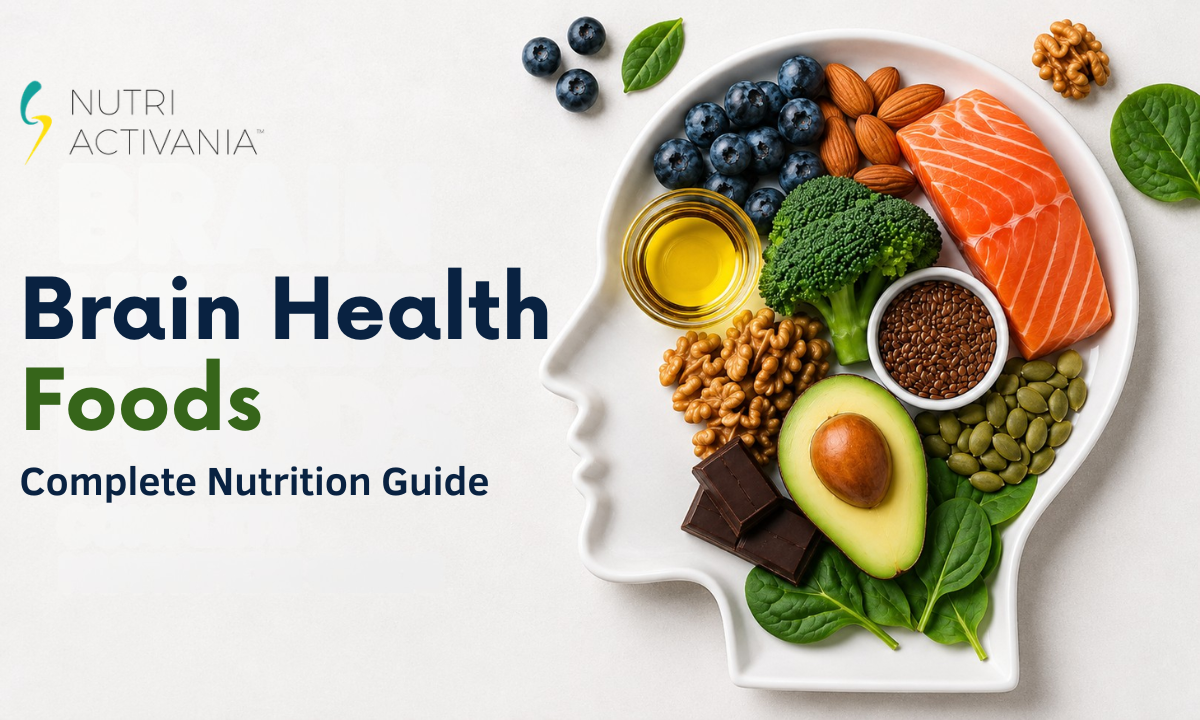
Brain health foods are nutrient-dense foods that support memory, focus, mood, and long-term cognitive function through their vitamin, mineral, antioxidant, and fatty acid content. What you eat has a direct, measurable effect on how your brain performs, from concentration during a busy workday to memory retention as you age. Building a diet around brain health foods is one of the simplest ways to protect cognitive function at every life stage, and working with a dietician in Delhi like Avni Kaul can help turn this general guidance into a plan suited to your specific needs.
The brain is a metabolically demanding organ. Despite making up only about two percent of body weight, it consumes roughly twenty percent of daily energy intake. This means the quality of fuel you provide matters enormously. A diet low in processed foods and rich in whole, nutrient-dense options gives the brain the steady supply of glucose, fatty acids, and micronutrients it needs to function well.
Why Nutrition Matters for Brain Function
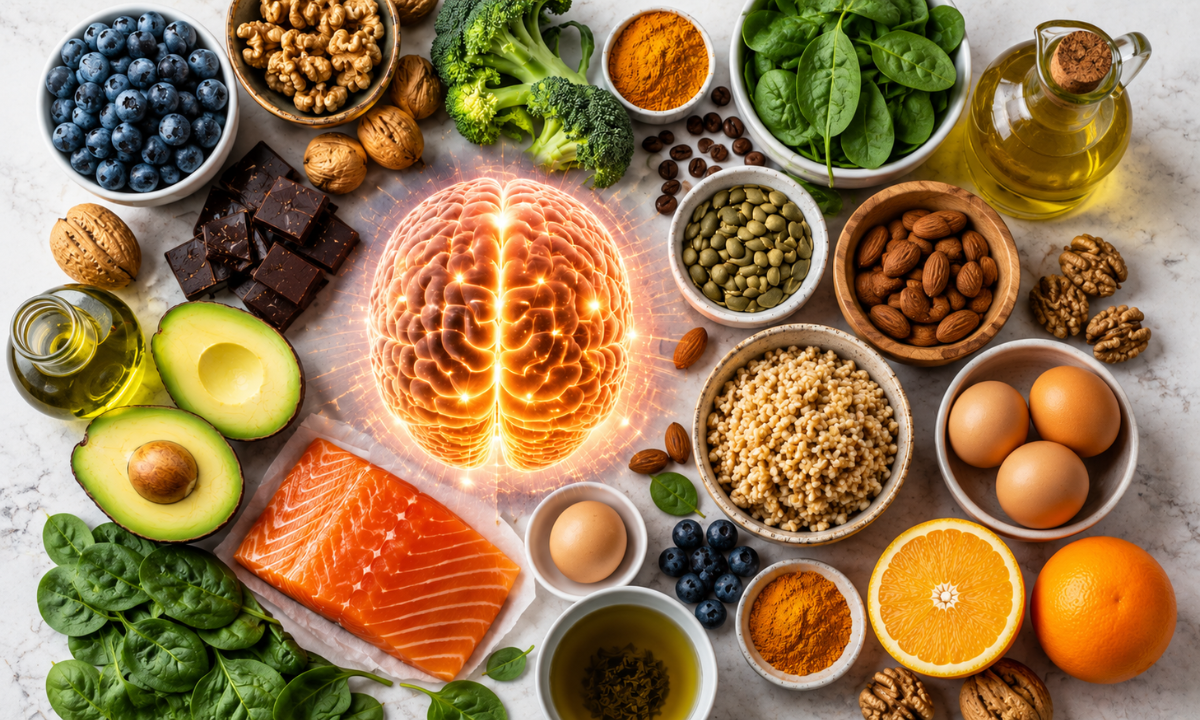
Cognitive decline, poor concentration, low mood, and memory lapses are often dismissed as normal signs of stress or ageing. In many cases, they’re linked to nutritional gaps. Deficiencies in omega-3 fatty acids, B vitamins, iron, and antioxidants have all been associated with reduced cognitive performance. On the other hand, diets rich in these nutrients are consistently linked to sharper memory, better focus, and a lower risk of age-related cognitive decline.
This is why nutrition should be treated as a foundational part of brain health, not an afterthought. Whether you’re a student preparing for exams, a working professional managing a demanding schedule, or a senior citizen looking to preserve memory, the right foods can make a genuine difference.
Top Categories of Brain Health Foods
Fatty Fish and Omega-3 Sources
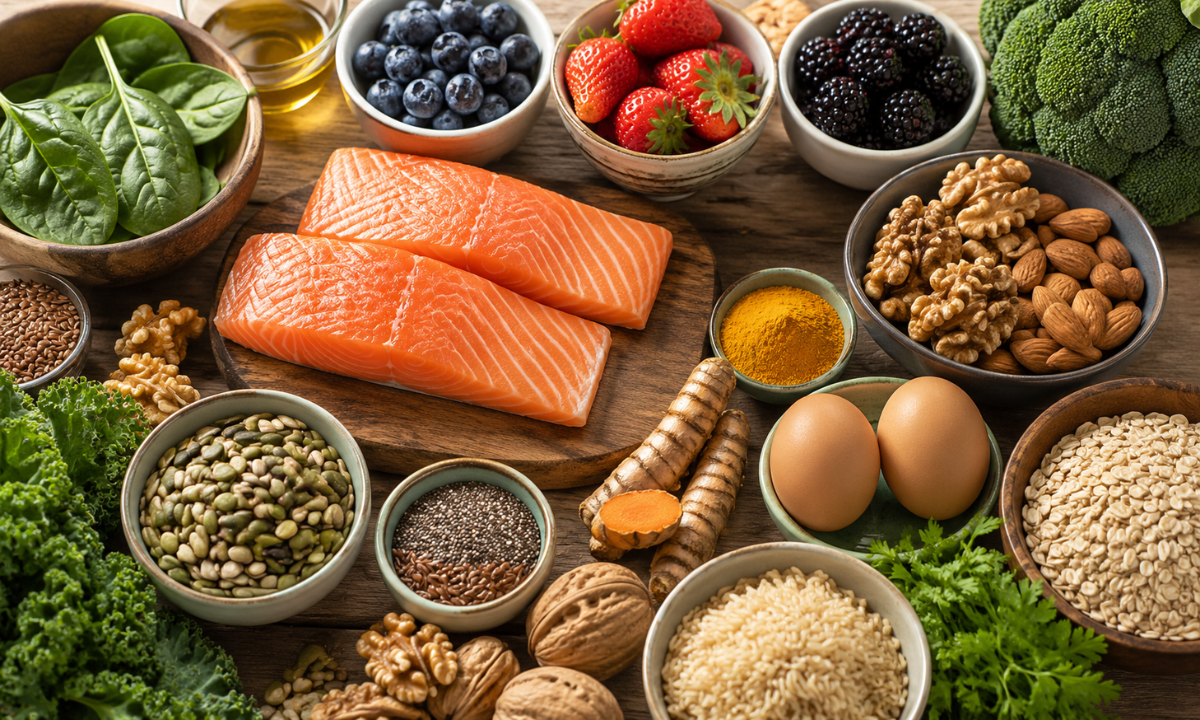
Fatty fish such as salmon, mackerel, and sardines are among the richest sources of omega-3 fatty acids, particularly DHA, which makes up a significant portion of the brain’s structural fat. Omega-3s support the formation of new brain cells and have been linked to slower rates of cognitive decline. For those who don’t eat fish, walnuts, flaxseeds, and chia seeds offer plant-based alternatives, though conversion rates to usable DHA are lower.
Berries and Antioxidant-Rich Fruits
Blueberries, strawberries, and blackberries are packed with flavonoids, compounds shown to improve communication between brain cells and reduce inflammation. Regular berry consumption has been associated with delayed brain ageing and improved memory in several studies.
Leafy Greens
Spinach, kale, and methi are rich in vitamin K, lutein, folate, and beta carotene, all of which contribute to slower cognitive decline. Including a daily serving of leafy greens is one of the easiest dietary changes with a meaningful long-term impact.
Nuts and Seeds
Almonds, walnuts, and pumpkin seeds provide vitamin E, healthy fats, and magnesium, nutrients associated with reduced oxidative stress in the brain. Walnuts in particular carry a favourable ratio of omega-3 to omega-6 fatty acids.
Whole Grains
Brown rice, oats, and whole wheat release glucose slowly into the bloodstream, giving the brain a steady energy supply rather than the sharp spikes and crashes associated with refined carbohydrates. This steadier glucose curve supports sustained concentration.
Eggs
Eggs are a strong source of choline, a nutrient involved in neurotransmitter production and memory regulation. Most people don’t consume adequate choline, making eggs a practical daily addition.
Turmeric
Curcumin, the active compound in turmeric, has anti-inflammatory and antioxidant properties and has been studied for its potential role in supporting memory and mood.
Foods That Work Against Brain Health

Just as certain foods support cognitive function, others actively work against it. Diets high in refined sugar, trans fats, and ultra-processed foods have been linked to increased inflammation and a higher risk of cognitive decline. Excessive alcohol consumption and chronic dehydration also impair concentration and memory over time. Cutting back on these, rather than focusing solely on adding “superfoods,” is often the more impactful first step.
Building a Brain-Healthy Daily Diet
Rather than treating brain health foods as occasional additions, the goal should be a consistent dietary pattern. A simple approach includes a portion of healthy fats at most meals, at least one daily serving of leafy greens, a handful of nuts or seeds as a snack, and whole grains in place of refined carbohydrates. Staying adequately hydrated matters just as much, since even mild dehydration can measurably affect concentration and mood.
This kind of pattern mirrors principles found in the Mediterranean diet, which has been widely studied for its association with better cognitive outcomes and lower rates of neurodegenerative disease, according to research summarised by the National Institute on Aging, which found that people who closely followed a MIND diet, a hybrid of the Mediterranean and DASH diets, had a reduced risk of Alzheimer’s disease.
Brain Health Foods at Different Life Stages
Nutritional needs for brain health shift across life stages. Children and students benefit most from steady energy sources and choline-rich foods to support concentration and learning. Working professionals often need to focus on reducing processed food intake and managing stress-related nutrient depletion. Older adults have a particular need for B12, omega-3s, and antioxidants, since ageing is associated with a natural decline in nutrient absorption and an increased risk of cognitive decline. Broader nutrition and wellness tips for senior citizens can also help address related concerns such as bone health and energy levels alongside brain-focused nutrition.
This is where personalised guidance becomes valuable. A general list of brain foods is a useful starting point, but individual needs vary considerably based on age, existing health conditions, medication use, and lifestyle. Working with a qualified professional dietician like Avni Kaul allows these recommendations to be tailored specifically to you rather than applied generically.
Why Professional Guidance Matters
Brain health nutrition isn’t one-size-fits-all. Someone managing thyroid issues, for instance, will need a different approach from someone managing stress-related brain fog. This is why working with the best dietician in Delhi can help translate general nutrition science into a plan suited to your specific health profile, food preferences, and daily routine.
Older adults in particular benefit from specialised attention, since cognitive decline, reduced appetite, and nutrient absorption issues often overlap in this age group. A dietician for senior citizens in Delhi with Avni Kaul can build a brain-healthy eating plan that also accounts for other common concerns such as bone health, blood sugar management, and digestive comfort, so the diet supports overall wellbeing rather than cognitive function alone.
Avni Kaul, a Gold Medallist from the University of Delhi and an Olympic Nutrition Advisor at Buenos Aires 2018, has worked with over 15,000 clients to build nutrition plans that go beyond generic food lists. Her approach combines evidence-based nutrition science with practical, sustainable dietary changes suited to Indian food habits and lifestyles.
Practical Tips to Start Today
Small, consistent changes tend to be more sustainable than drastic dietary overhauls. Start by adding one serving of berries or leafy greens to a meal you already eat daily. Swap refined grains for whole grains where possible. Include a small handful of nuts as a mid-morning or evening snack. Choose fatty fish over red meat a few times a week if you eat non-vegetarian food. These incremental shifts, kept up consistently, tend to produce better long-term results than short-term dietary changes that are hard to sustain.
Frequently Asked Questions
What Is The Single Best Food For Brain Health?
There’s no single best food, since brain health depends on a combination of nutrients over time. That said, fatty fish is often highlighted for its high DHA content, which plays a structural role in brain cell membranes.
Is it necessary to consult a dietician for brain health nutrition?
It’s not strictly necessary, but it’s highly beneficial, particularly for older adults managing memory decline or early signs of dementia, for whom nutritional needs are more specific and closely tied to other health concerns. A dietician for senior citizens in Delhi, like Avni Kaul, can build a brain-focused eating plan that also accounts for medication interactions, appetite changes, and nutrient absorption issues common in this age group, rather than relying on generic food lists.
How Long Does It Take For Brain Foods To Show An Effect?
Some effects, such as improved energy and focus from stable blood sugar, can be noticed within days. Longer-term benefits, such as reduced risk of cognitive decline, develop over months and years of consistent dietary patterns.
Can Supplements Replace Brain Health Foods?
Whole foods generally offer better absorption and a wider range of complementary nutrients compared to isolated supplements. Supplements can help address specific deficiencies but work best alongside, not instead of, a nutrient-rich diet.
Are Brain Health Foods Different For Children And Adults?
The core food groups stay similar, but portion sizes, specific nutrient priorities, and overall dietary structure differ by age and life stage. This is why personalised guidance is particularly useful for children and older adults.
Is It Necessary To Consult A Dietician For Brain Health Nutrition?
It’s not strictly necessary, but it’s highly beneficial, particularly if you have an existing health condition, are managing a specific concern such as memory decline or brain fog, or want a plan tailored to your exact needs rather than general advice.