
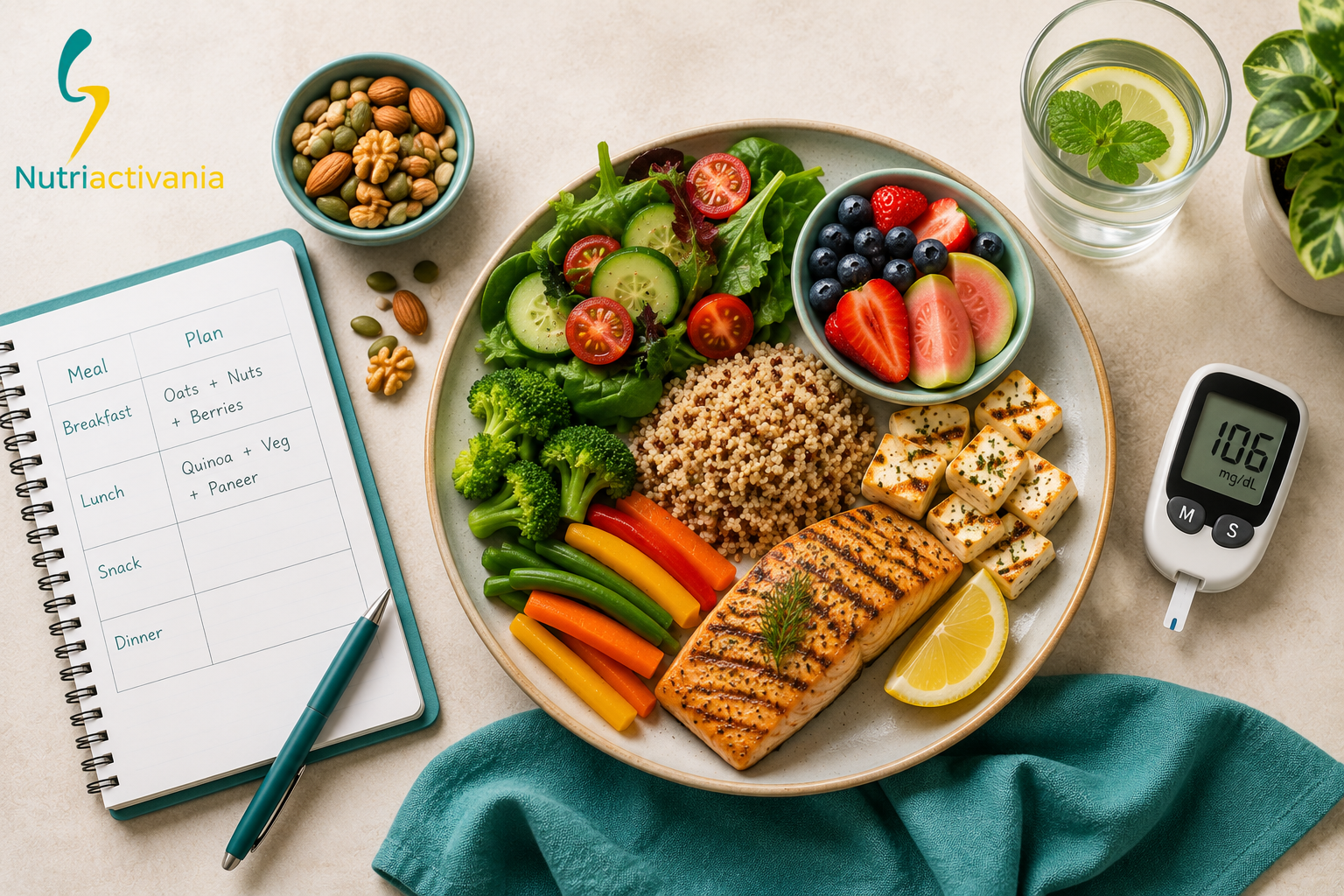
A prediabetes nutrition program is a structured diet plan designed to bring blood sugar levels back to normal range before they progress to full type 2 diabetes. Avni Kaul, a dietician in Delhi, runs this program for patients recently diagnosed with prediabetes, using blood work and lifestyle assessment to build a plan aimed specifically at reversal rather than long-term management.
Prediabetes is often treated as a minor warning rather than a condition worth acting on immediately. That is a mistake. Unlike full-blown type 2 diabetes, prediabetes is frequently reversible through diet and lifestyle changes alone, without medication. The window to reverse it, however, does not stay open indefinitely. Acting early, with a structured program rather than general advice, makes a measurable difference to long-term outcomes.
What Prediabetes Actually Means

Prediabetes is diagnosed when blood sugar levels are higher than normal but not yet high enough to be classified as type 2 diabetes. It is usually identified through fasting blood sugar, HbA1c, or an oral glucose tolerance test. Many people receive this diagnosis without any obvious symptoms, which is part of why it is so often ignored.
The concerning part is what happens next if nothing changes. Left unaddressed, prediabetes commonly progresses to type 2 diabetes within a few years. The reassuring part is that this progression is not automatic. Studies consistently show that structured dietary and lifestyle changes can prevent or delay this progression significantly, in many cases more effectively than medication alone.
Why a Structured Nutrition Program Works Better Than General Advice
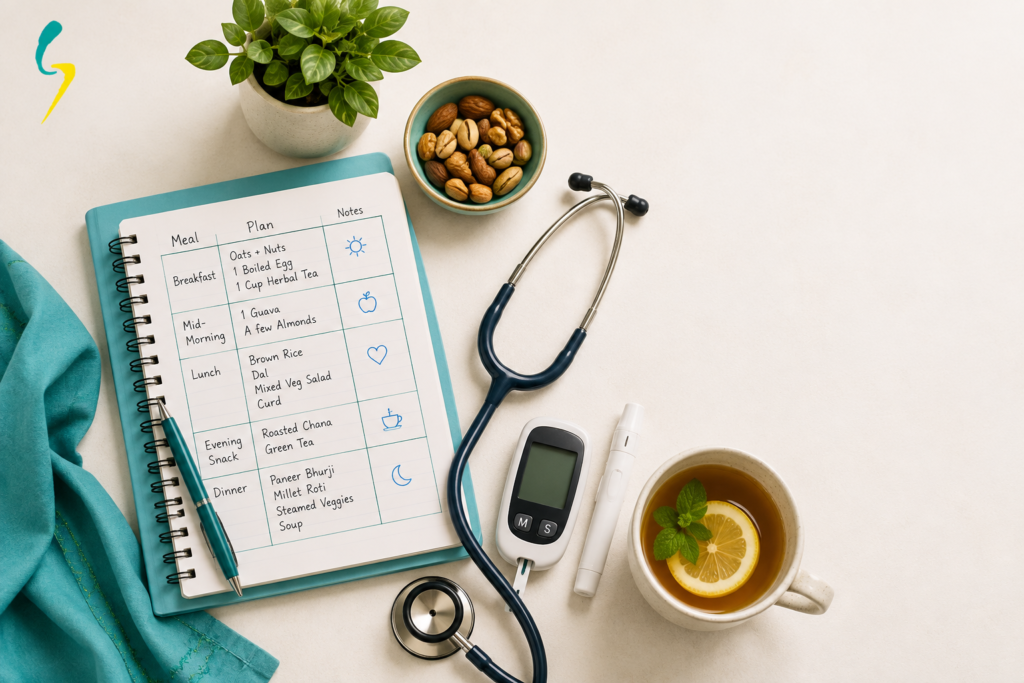
Most people diagnosed with prediabetes are told to “eat healthier” and “lose some weight.” This advice is not incorrect, but it is too vague to act on consistently. A structured prediabetes nutrition program replaces vague advice with a specific plan built around the individual’s blood work, weight, activity level, and food habits.
A structured program typically differs from general advice in the following ways:
- It is based on actual fasting glucose and HbA1c numbers, not assumptions.
- It sets a realistic, monitored path back towards normal blood sugar range.
- It accounts for the patient’s existing food preferences rather than imposing an unfamiliar diet.
- It includes scheduled follow-up to track whether the numbers are actually improving.
- It addresses related risk factors, such as weight and cholesterol, at the same time.
This structure matters because reversal is time-sensitive. A vague plan followed loosely for a year produces very different results to a specific plan followed consistently for three to six months.
How a Prediabetes Nutrition Program Is Built

Step 1: Blood work and risk assessment. The program begins with a review of fasting glucose, HbA1c, weight, and any related risk factors such as family history, cholesterol levels, or PCOS. This establishes a clear baseline against which progress is measured.
Step 2: Lifestyle and routine mapping. Activity level, work schedule, sleep pattern, and stress levels all affect blood sugar regulation. These factors are mapped before any diet changes are introduced, since a plan that ignores routine rarely gets followed.
Step 3: Diet restructuring, not diet replacement. Rather than imposing a completely new way of eating, the program adjusts portion sizes, meal timing, and food combinations within the patient’s existing food habits. Familiar staples are retained wherever possible.
Step 4: Glycaemic load education. Patients learn which foods and combinations cause blood sugar to rise sharply and which do not. This knowledge is what allows patients to make sound decisions independently, beyond the structured plan itself.
Step 5: Monitoring against a reversal timeline. Unlike a general diabetes management plan, a prediabetes program is built around a specific goal: bringing blood sugar back to normal range. Progress is tracked against this goal through periodic blood work review, typically every three months.
What the Diet Typically Includes
The dietary approach for prediabetes overlaps with general diabetes nutrition but is more tightly focused on reversal rather than long-term maintenance.

Foods generally emphasised:
- High-fibre vegetables and legumes, to slow glucose absorption
- Whole grains in controlled portions, in place of refined grains
- Lean protein sources such as dal, eggs, paneer, and fish
- Healthy fats from nuts, seeds, and cold-pressed oils
- Low-glycaemic fruits, spaced away from other carbohydrate-heavy meals

Foods generally reduced or restricted:
- Refined carbohydrates and sugary beverages
- Deep-fried and highly processed foods
- Large portions of white rice or refined flour
- Packaged snacks and sauces containing hidden sugar
Weight loss, where relevant, is addressed as part of the same plan rather than as a separate goal. Even a modest reduction in body weight, in the range of five to seven per cent, has been shown to meaningfully improve insulin sensitivity in people with prediabetes.
Who Should Consider a Prediabetes Nutrition Program
- People recently diagnosed with prediabetes through fasting glucose, HbA1c, or glucose tolerance testing
- People with a family history of type 2 diabetes who want to act preventively
- People carrying excess weight, particularly around the abdomen, alongside borderline blood sugar readings
- Women with a history of PCOS or gestational diabetes, both of which raise future diabetes risk
- Anyone told by a doctor to “watch their sugar levels” without being given a specific plan to follow
This last group is larger than most people assume. A vague warning from a routine check-up often goes unactioned simply because there is no clear next step attached to it. A structured program provides that next step.
Why Choose Avni Kaul for a Prediabetes Nutrition Program
Avni Kaul is a Gold Medallist from the University of Delhi and received the Best Dietician Award in 2019. Her approach to prediabetes nutrition focuses on realistic, sustainable changes rather than short-term restriction. Plans are built around familiar Indian foods, adjusted rather than eliminated, which tends to produce better adherence over the three-to-six-month window that reversal typically requires.
This focus on sustainability matters specifically for prediabetes, since the goal is not simply to feel better in the short term but to measurably shift blood sugar numbers back into a normal range and keep them there.
Conclusion
Prediabetes is a warning that still leaves room to act. A structured prediabetes nutrition program, built around actual blood work and daily routine rather than general advice, gives that warning a clear response. The evidence consistently shows that focused dietary changes can prevent or reverse progression to type 2 diabetes, particularly when followed consistently over several months. If a recent blood test has flagged borderline sugar levels, a structured program is a more effective starting point than generic advice to simply eat better.
Frequently Asked Questions
Can prediabetes actually be reversed through diet alone?
Yes, in many cases. Structured dietary changes, particularly when combined with modest weight loss and regular activity, can bring blood sugar back to normal range without medication.
How long does a prediabetes nutrition program usually take to show results?
Most patients see measurable improvement in blood sugar readings within three to six months of consistent dietary changes, though individual timelines vary.
How is a prediabetes nutrition program different from a diabetes diet plan?
A prediabetes program is built around reversal, aiming to bring blood sugar back to normal range, while a diabetes diet plan focuses on long-term management of an existing diagnosis.
Do I need a doctor’s diagnosis before starting the program?
Yes. A fasting glucose test, HbA1c result, or oral glucose tolerance test confirming prediabetes is generally required to build an accurate, targeted plan.
Will I need to give up rice, roti, and other staples?
No. Staples are typically retained but adjusted in portion, timing, and combination, rather than removed from the diet altogether.
Is weight loss always part of a prediabetes nutrition program?
Where relevant, yes. Even a modest reduction in body weight can significantly improve insulin sensitivity, so weight management is usually addressed alongside dietary changes.