

A gestational diabetes diet program is a structured nutrition plan designed to keep blood sugar within a safe range during pregnancy, protecting both mother and baby without relying on medication unless medically necessary. Avni Kaul, a dietician in Delhi, works with expectant mothers diagnosed with gestational diabetes to build plans that meet pregnancy nutrition needs while keeping glucose levels stable.
A gestational diabetes diagnosis can feel alarming, especially alongside everything else pregnancy already involves. It is worth saying clearly: gestational diabetes is common, and it is manageable. In most cases, the right diet, followed consistently for the remainder of the pregnancy, is enough to keep both mother and baby safe. What matters is that the diet is built specifically for pregnancy, not adapted loosely from a general diabetes diet.
What Gestational Diabetes Means for Diet

Gestational diabetes develops when hormonal changes during pregnancy make the body less responsive to insulin, causing blood sugar to rise. It is usually identified through a glucose tolerance test, typically between the 24th and 28th week of pregnancy, though it can be diagnosed earlier in higher-risk pregnancies.
Unlike type 2 diabetes, gestational diabetes has a defined endpoint: it typically resolves after delivery. This does not make it any less important to manage during pregnancy. Poorly controlled blood sugar during pregnancy is linked to a higher birth weight baby, a higher likelihood of a caesarean delivery, and an increased risk of the baby developing low blood sugar shortly after birth. Managing it well through diet reduces these risks significantly.
Why Pregnancy Changes the Nutrition Approach
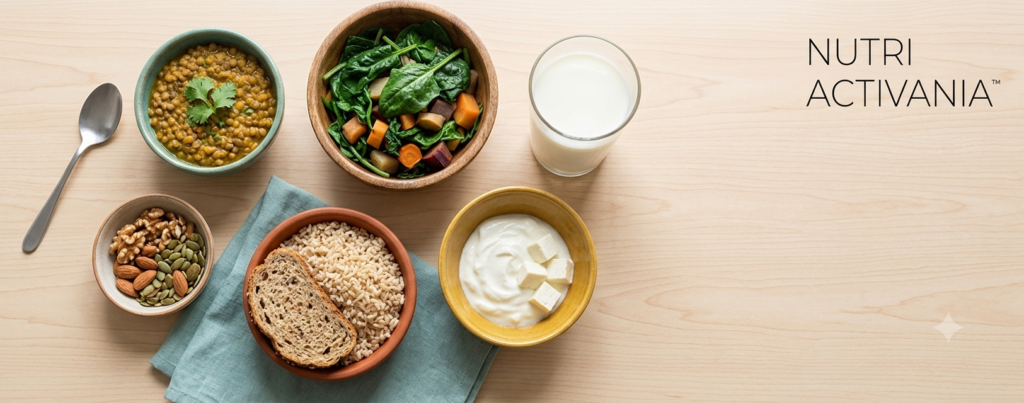
A gestational diabetes diet cannot simply follow the same rules as a general diabetes diet. Pregnancy has its own nutritional requirements, and a plan that ignores them risks under-nourishing the mother or baby while trying to control blood sugar.
A gestational diabetes diet program needs to balance several things at once:
- Blood sugar control, to protect both mother and baby from complications
- Adequate calorie intake to support healthy foetal growth
- Sufficient protein, iron, calcium, and folate, all of which pregnancy requires in higher amounts
- Weight gain within the range recommended for the mother’s pre-pregnancy BMI
- Practical meal timing that accounts for nausea, appetite changes, and pregnancy fatigue
This is why a general diabetes chart, or worse, a chart found online without medical input, is not appropriate for gestational diabetes. The plan has to work for two people at once.
How a Gestational Diabetes Diet Program Is Built

Step 1: Review of glucose test results and pregnancy stage. The program starts with the glucose tolerance test results, current trimester, pre-pregnancy weight and BMI, and any other pregnancy-related conditions. This establishes the baseline the plan is built around.
Step 2: Calorie and nutrient requirement calculation. Calorie needs are calculated based on the stage of pregnancy and the mother’s weight gain trajectory, ensuring the baby receives adequate nutrition while blood sugar stays controlled.
Step 3: Carbohydrate distribution across the day. Rather than cutting carbohydrates broadly, meals are structured to spread carbohydrate intake evenly across the day, avoiding the large single servings that tend to spike blood sugar.
Step 4: Meal timing around common pregnancy symptoms. Nausea, particularly in the first trimester, and appetite changes later in pregnancy are factored into meal timing, so the plan remains realistic to follow rather than purely theoretical.
Step 5: Regular monitoring through the remaining pregnancy. Blood sugar readings are reviewed regularly, and the plan is adjusted as the pregnancy progresses, since nutritional needs and insulin resistance both change across trimesters.
What the Diet Typically Includes

Foods generally emphasised in a gestational diabetes diet:
- Complex carbohydrates in measured portions, spread across smaller, more frequent meals
- High-fibre vegetables, which slow glucose absorption
- Adequate protein at each meal, from dal, paneer, eggs, and fish
- Healthy fats from nuts, seeds, and cold-pressed oils
- Iron and calcium-rich foods, given pregnancy’s increased requirements
- Low-glycaemic fruits, eaten separately from main meals rather than alongside them

Foods generally limited:
- Sugary beverages and desserts
- Refined carbohydrates, particularly in large single portions
- Deep-fried and highly processed foods
- Packaged snacks and sauces with hidden sugar
Unlike a standard diabetes diet, calorie restriction is approached carefully during pregnancy. The goal is blood sugar control without compromising the calorie and nutrient intake the pregnancy requires.
Who Should Consider a Gestational Diabetes Diet Program
- Women recently diagnosed with gestational diabetes through a glucose tolerance test
- Women with a family history of diabetes or a previous gestational diabetes diagnosis in an earlier pregnancy
- Women with a higher pre-pregnancy BMI, which increases gestational diabetes risk
- Women experiencing rapid or excessive weight gain during pregnancy
- Anyone advised by their obstetrician to manage blood sugar through diet before medication is considered
Medical clearance from the treating obstetrician or gynaecologist is generally recommended before starting any structured nutrition program during pregnancy, and the program is designed to work alongside that medical care rather than replace it.
Why Choose Avni Kaul for a Gestational Diabetes Diet Program
Avni Kaul is a Gold Medallist from the University of Delhi and received the Best Dietician Award in 2019. Her approach to gestational diabetes nutrition balances blood sugar control with the nutritional demands of pregnancy, building plans around familiar Indian foods rather than imposing an unfamiliar diet at an already demanding time.
This balance matters particularly during pregnancy, when a plan that feels overly restrictive is unlikely to be followed consistently, and inconsistency during pregnancy carries more risk than it does in general diabetes management.
Conclusion
A gestational diabetes diagnosis does not need to overshadow the rest of the pregnancy. A structured gestational diabetes diet program, built around blood sugar control and pregnancy nutrition needs together, gives mothers a clear, manageable path through the remaining months. Most cases are managed successfully through diet alone, with medication used only where diet and monitoring show it is genuinely needed. If a recent glucose test has flagged gestational diabetes, a structured, pregnancy-specific program is a safer starting point than adapting a general diabetes diet.
Frequently Asked Questions
Does gestational diabetes go away after pregnancy?
In most cases, yes. Gestational diabetes typically resolves after delivery, though it does increase the risk of developing type 2 diabetes later in life, which makes ongoing healthy eating habits worthwhile beyond pregnancy.
Can gestational diabetes be managed through diet alone?
In many cases, yes. A well-structured diet, combined with regular blood sugar monitoring, is often sufficient to keep glucose levels within a safe range without medication.
Is calorie restriction safe during a gestational diabetes diet program?
Calorie intake is managed carefully rather than restricted heavily, since the baby’s growth still depends on adequate nutrition throughout pregnancy.
How often should blood sugar be monitored during the program?
Monitoring frequency is typically set by the treating obstetrician, though most programs involve regular tracking, often several times a week, to ensure the diet is working as intended.
Will this diet affect the baby’s growth or birth weight?
A well-managed gestational diabetes diet supports healthy foetal growth while helping to avoid the higher birth weight associated with poorly controlled blood sugar during pregnancy.
Do I need my obstetrician’s approval before starting this program?
Yes, medical clearance from the treating obstetrician or gynaecologist is generally recommended, and the nutrition program is designed to work alongside ongoing medical care rather than in place of it.