
Nutrition support for type 1 diabetes is dietary guidance built around matching food intake to insulin dosing, rather than attempting to control blood sugar through diet alone. Avni Kaul, a dietician in Delhi, works with type 1 diabetes patients and their families to build eating plans that support stable blood sugar alongside insulin therapy, not as a substitute for it.
Type 1 diabetes is different from type 2 in a fundamental way. It is an autoimmune condition in which the body stops producing insulin altogether, not a condition caused by diet or lifestyle. This means diet cannot reverse it or reduce reliance on insulin. What diet can do, and do well, is make blood sugar more predictable and insulin dosing more accurate, which meaningfully improves day-to-day quality of life.
Why Nutrition Still Matters in Type 1 Diabetes
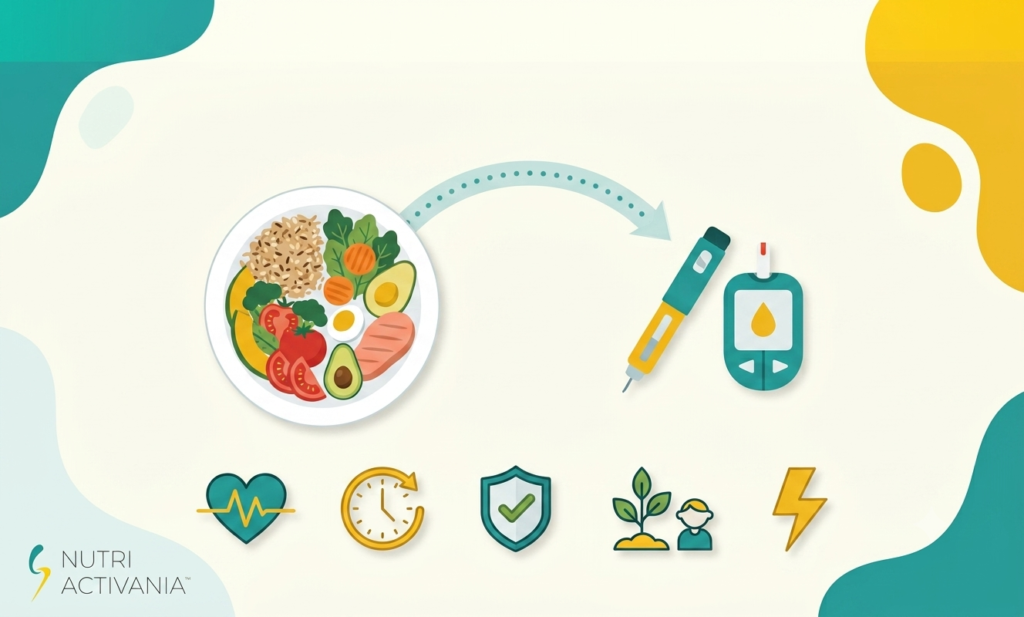
Since insulin therapy is not optional for type 1 diabetes, some patients and families assume diet plays a smaller role than it does in type 2 diabetes. In practice, nutrition remains central, just for a different reason. Blood sugar in type 1 diabetes is driven by the interaction between food intake and insulin dosing, so getting that interaction right depends heavily on understanding what and how much is being eaten.
Good nutrition support for type 1 diabetes typically helps with:
- More predictable blood sugar levels, reducing sudden highs and lows
- More accurate insulin dosing, since carbohydrate counting depends on knowing exact intake
- Reduced risk of hypoglycaemia, particularly around exercise and meal timing
- Better long-term growth and development in children and adolescents with type 1 diabetes
- Improved energy levels and reduced day-to-day fatigue from blood sugar swings
This is particularly important for children and adolescents, where growth needs must be met alongside blood sugar management, and for anyone newly diagnosed who is still learning how their body responds to different foods.
How Nutrition Support Differs From a Standard Diabetes Diet
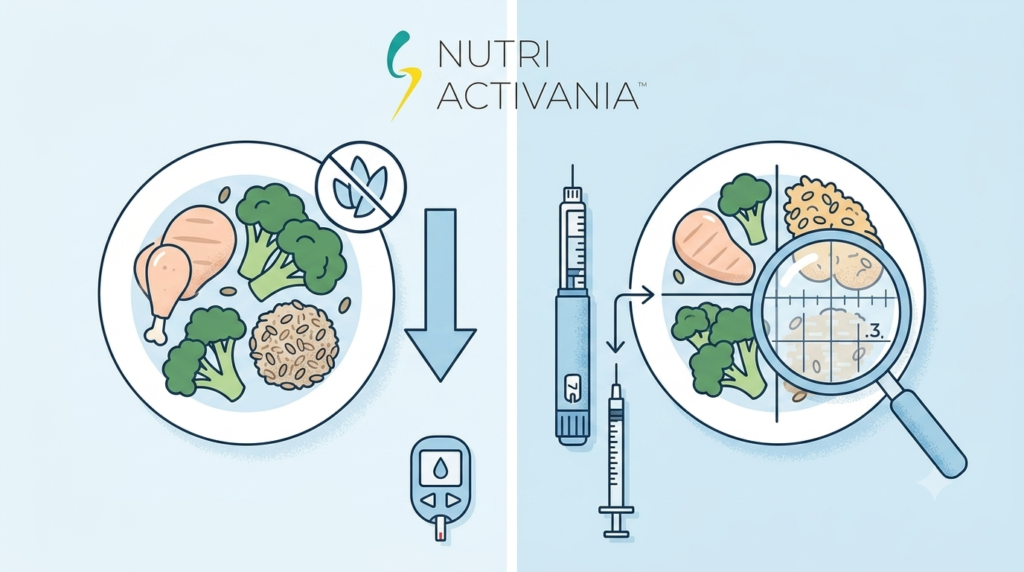
A standard type 2 diabetes diet often focuses on reducing overall carbohydrate intake. For type 1 diabetes, the goal is usually not reduction but accuracy. Carbohydrates are not the enemy; unpredictable or poorly estimated carbohydrate intake is.
Carbohydrate counting is central. Since insulin doses (particularly rapid-acting insulin taken with meals) are often calculated based on carbohydrate content, learning to estimate carbohydrates accurately is one of the most useful skills a type 1 diabetes patient can develop. This is taught as a practical, ongoing skill rather than a one-time lesson.
Consistency matters more than restriction. Wildly different meals from day to day make insulin dosing harder to get right. A nutrition plan for type 1 diabetes typically aims for reasonably consistent meal patterns, without requiring the same food every day.
Exercise and meal timing are planned together. Physical activity affects blood sugar differently depending on when it happens relative to meals and insulin doses. Nutrition support usually includes guidance on eating around exercise to avoid hypoglycaemia.
Growth needs come first for children. For younger patients, calorie and nutrient requirements for healthy growth take priority, with insulin dosing adjusted to match food intake, not the other way around.
How a Nutrition Support Plan Is Built
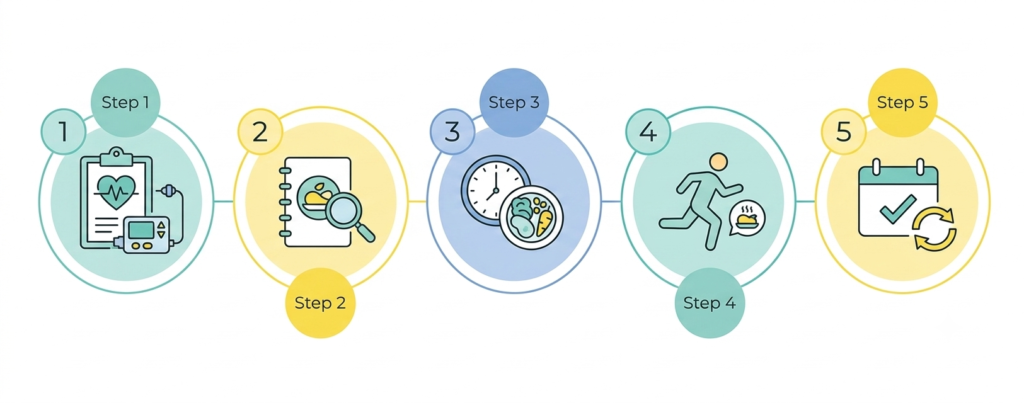
Step 1: Review of insulin regimen and current control. The starting point is understanding the patient’s insulin type, dosing schedule, and recent blood sugar patterns, including any recent HbA1c results and frequency of hypoglycaemic episodes.
Step 2: Carbohydrate counting education. Patients, and parents in the case of children, are taught practical methods for estimating carbohydrate content in meals, including portion estimation for home-cooked and packaged foods.
Step 3: Meal structuring around insulin timing. Meals and snacks are planned to align with the patient’s insulin schedule, whether that involves multiple daily injections or an insulin pump.
Step 4: Exercise and activity planning. Guidance is given on adjusting food intake or insulin timing around physical activity, sport, and school or work schedules.
Step 5: Ongoing review and adjustment. As insulin sensitivity, growth, activity level, or routine changes, the nutrition plan is reviewed and adjusted accordingly, ideally alongside the patient’s endocrinologist.
What the Diet Typically Includes
Nutrition support for type 1 diabetes is generally less restrictive than people expect, since the focus is on matching insulin to food rather than eliminating food groups.
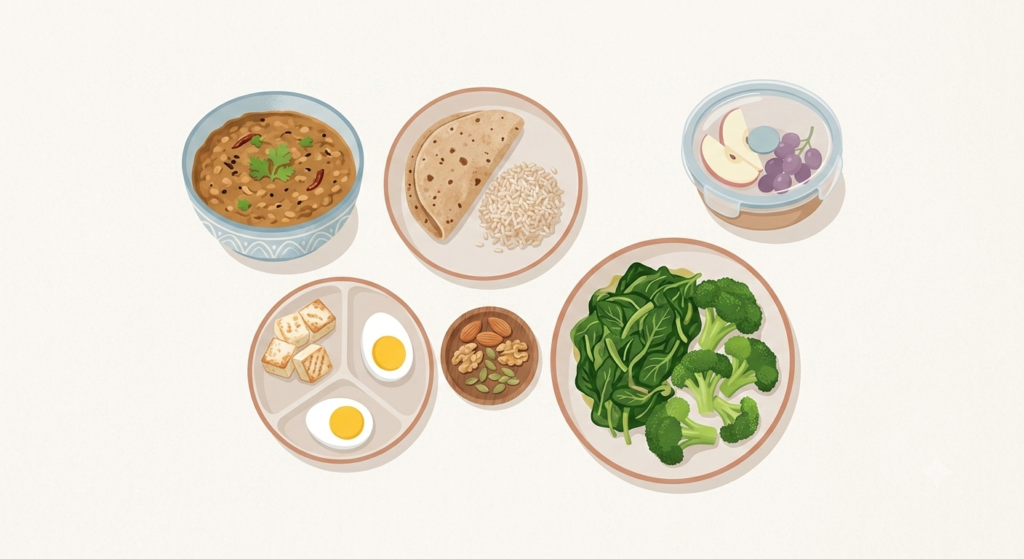
Commonly included:
- A mix of complex carbohydrates, counted and matched to insulin dosing
- Adequate protein at each meal, from dal, eggs, paneer, and fish
- Healthy fats from nuts, seeds, and cold-pressed oils
- High-fibre vegetables, which slow glucose absorption and ease post-meal spikes
- Consistent snack options for managing exercise or delayed meals

Generally reduced, though rarely eliminated entirely:
- Foods with a very high glycaemic load eaten in large, uncounted portions
- Sugary beverages, since liquid sugar raises blood sugar quickly and is harder to dose insulin against
- Highly processed foods with unclear or inconsistent carbohydrate content, which make dosing harder to estimate accurately
Who Should Consider Nutrition Support for Type 1 Diabetes
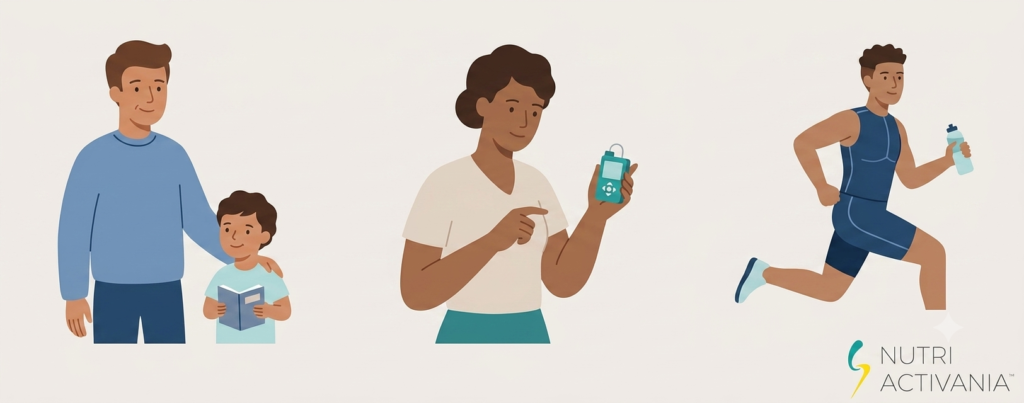
- Patients newly diagnosed with type 1 diabetes, at any age
- Parents of children or adolescents managing type 1 diabetes
- Patients switching between insulin regimens, such as moving from injections to a pump
- Patients experiencing frequent hypoglycaemia or unpredictable blood sugar swings
- Athletes or physically active individuals with type 1 diabetes who need to plan nutrition around training
This kind of support works alongside an endocrinologist’s care, not in place of it. Insulin dosing decisions remain a medical matter; nutrition support exists to make those decisions easier to get right.
Why Choose Avni Kaul for Type 1 Diabetes Nutrition Support
Avni Kaul is a Gold Medallist from the University of Delhi and received the Best Dietician Award in 2019. Her approach to type 1 diabetes nutrition focuses on practical carbohydrate counting and meal structuring that fits real routines, including school schedules for children and training schedules for active adults, rather than a rigid chart disconnected from daily life.
Conclusion
Type 1 diabetes always requires insulin, and nutrition support does not change that. What it does change is how predictable and manageable day-to-day blood sugar becomes. Accurate carbohydrate counting, consistent meal structuring, and thoughtful planning around exercise and insulin timing together make a meaningful difference to quality of life, for both adults and children managing the condition. Working with a dietician alongside an endocrinologist gives patients a more complete, practical approach to living with type 1 diabetes.
Frequently Asked Questions
Can diet cure or reverse type 1 diabetes?
No. Type 1 diabetes is an autoimmune condition that requires lifelong insulin therapy. Nutrition support helps manage blood sugar alongside insulin but does not reduce or replace the need for it.
What is carbohydrate counting, and why does it matter?
Carbohydrate counting is the practice of estimating the carbohydrate content of meals to match insulin dosing accurately. It is one of the most useful skills for keeping blood sugar predictable in type 1 diabetes.
Is nutrition support different for children with type 1 diabetes?
Yes. Children require adequate calories and nutrients for healthy growth, so nutrition plans prioritise growth needs while adjusting insulin dosing to match food intake.
How does exercise affect nutrition planning for type 1 diabetes?
Exercise can lower blood sugar significantly, so meal and snack timing around physical activity is planned carefully to reduce the risk of hypoglycaemia.
Does nutrition support replace the need to see an endocrinologist?
No. Nutrition support works alongside an endocrinologist’s care. Insulin dosing decisions remain a medical matter, while nutrition support helps make food-related decisions easier and more accurate.
Will I need to avoid carbohydrates completely?
No. Carbohydrates are counted and matched to insulin rather than eliminated. The goal is accurate estimation, not restriction.