
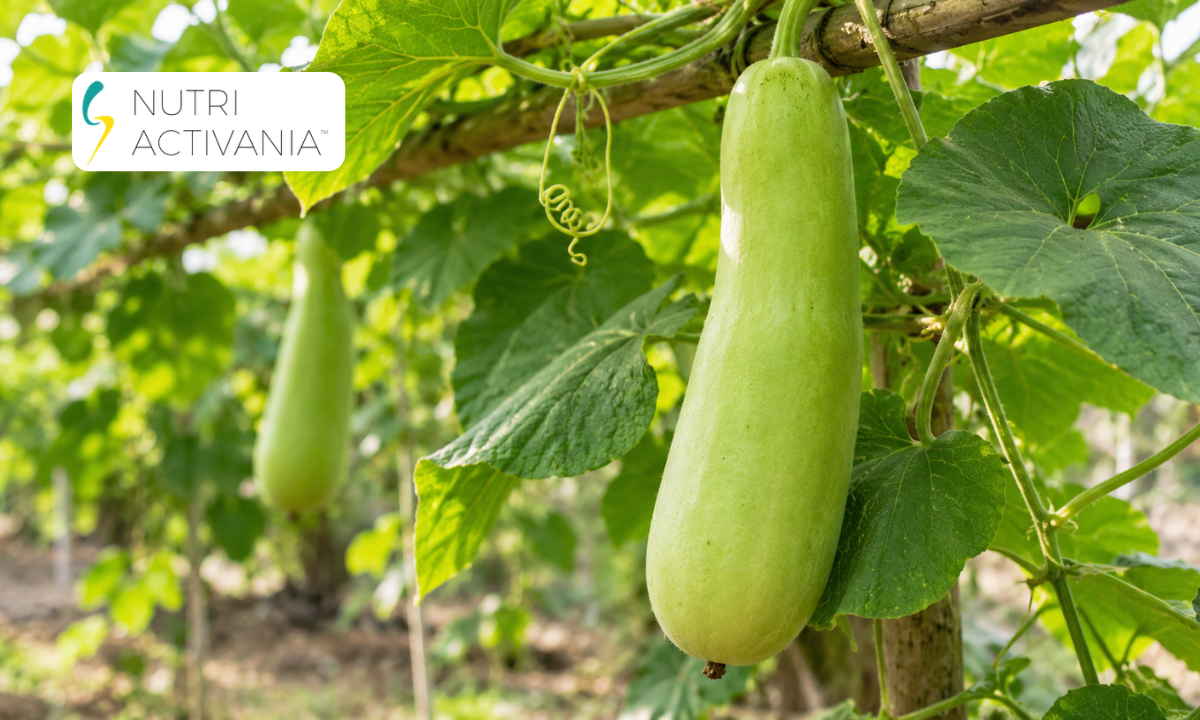
Bottle gourd, commonly known as lauki, ghia, or dudhi, is a popular vegetable in Indian households. Its mild flavour and high water content make it a practical choice for everyday meals, particularly during summer. It can be prepared as sabzi, curry, soup, or dal and paired with roti or rice.
The main bottle gourd benefits come from its water content, relatively low calorie content, and versatility in a balanced diet. Although lauki is often promoted as a remedy for weight loss, diabetes, and detoxification, these claims should not be confused with established medical benefits.
This article explores bottle gourd nutrition, its potential dietary benefits, simple ways to eat it, and important safety precautions.
Key Takeaways
- Bottle gourd is a water-rich vegetable with relatively few calories.
- It can fit into a balanced diet for people managing their weight.
- Lauki can add variety to everyday Indian meals.
- It is not a proven treatment for diabetes, high blood pressure, or obesity.
- Cooked bottle gourd is a practical way to enjoy this vegetable.
- Never consume bitter bottle gourd, whether raw, cooked, or juiced.
What Are the Benefits of Bottle Gourd?
Bottle gourd offers several practical benefits as part of a varied eating pattern:
- Supports fluid intake: Its high water content contributes to daily hydration.
- Fits into weight-management meals: Its relatively low calorie content makes it useful for adding volume to meals.
- Adds variety to your diet: It can be combined with pulses, whole grains, and other vegetables.
- Provides small amounts of nutrients: It contributes some vitamins and minerals.
- Works well in summer cooking: Its mild flavour suits light curries, sabzi, and soups.
These benefits depend on your overall diet. Eating lauki alone will not guarantee weight loss or prevent or treat a medical condition.
1. Bottle Gourd May Support Hydration
Bottle gourd contains a high proportion of water, making it a useful addition to meals when you want to increase your intake of water-rich foods.
Adequate hydration helps regulate body temperature and supports normal bodily functions. This is particularly important during hot weather, when fluid needs may increase because of sweating and physical activity.
However, eating bottle gourd does not replace drinking enough fluids throughout the day.
How to include it: Prepare lauki sabzi, add chopped bottle gourd to dal, or cook it into soup. Pair it with other foods to make a satisfying meal.
2. Bottle Gourd Can Fit into a Weight-Management Diet
Bottle gourd is relatively low in calories and contains plenty of water. These characteristics make it a useful ingredient when planning meals that provide volume without adding a large amount of energy.
For example, lauki sabzi prepared with a moderate amount of oil can be served with roti and dal. This combination provides vegetables, carbohydrates, and plant-based protein.
However, bottle gourd does not directly burn body fat. Weight loss depends on your overall energy intake, physical activity, sleep, and other individual factors. For practical meal ideas using familiar foods, see our 7-day Indian diet plan for weight loss.
To include lauki in a weight-management plan:
- Use a moderate amount of oil when cooking.
- Pair it with protein-rich foods such as dal, beans, curd, or eggs.
- Include roti, rice, or another grain in suitable portions.
- Choose whole, balanced meals rather than relying on vegetable juice as a meal replacement.
3. Bottle Gourd Adds Variety to a Balanced Diet
Eating a variety of vegetables helps provide a broader range of nutrients. Bottle gourd is one option you can rotate with vegetables such as carrots, beans, spinach, pumpkin, and cauliflower.
Its mild flavour makes it easy to combine with common Indian ingredients.
For a more balanced meal, try pairing bottle gourd with other vegetables, pulses and grains. You can also explore our guide to jowar roti nutrition and benefits for another traditional Indian meal option. Pair lauki with:
- Moong dal or masoor dal
- Chickpeas or other beans
- Whole-wheat roti
- Rice in suitable portions
- Curd, paneer, eggs, or another protein source according to your preferences
Bottle gourd should be one part of your diet rather than your only source of vegetables or nutrients.
4. Bottle Gourd Is a Practical Vegetable for Summer Meals
During summer, many people prefer simple home-cooked meals that are easy to prepare. Bottle gourd works well in these meals because of its high water content and mild flavour.
Try these combinations:
- Lauki sabzi with roti and dal
- Bottle gourd cooked with moong dal
- Lauki and chana dal curry
- Bottle gourd soup served with a balanced meal
These are practical meal options, not special treatments for heat-related illness. Drink adequate fluids and follow appropriate medical advice if you have specific hydration needs.
5. Bottle Gourd Provides Small Amounts of Nutrients
Bottle gourd contributes water and small amounts of certain nutrients, including vitamin C and minerals. Its main dietary advantages are its low energy density, water content, and versatility.
Bottle Gourd Nutrition per 100 g
The following figures are approximate values for 100 g of cooked bottle gourd, boiled and drained without salt, based on USDA food-composition data.
| Nutrient | Approximate amount |
| Energy | 15 kcal |
| Water | 95.3 g |
| Carbohydrates | 3.7 g |
| Protein | 0.6 g |
| Fat | 0.02 g |
Values may vary with the vegetable’s variety, maturity, cooking method, and water loss during preparation. The figures above do not represent a complete nutritional profile, and the nutritional content of a finished recipe will also depend on added ingredients.
Bottle gourd is not a concentrated source of protein or most micronutrients. To improve the overall nutritional value of your meals, combine it with pulses, whole grains, other vegetables, and suitable protein sources.
How to Eat Bottle Gourd: Simple Indian Meal Ideas
You can include bottle gourd in your regular meals without following a special diet or drinking juice.
Lauki Sabzi with Roti
Cook chopped bottle gourd with onion, tomato, and spices using a moderate amount of oil. Serve it with roti and dal or another suitable protein source.
Bottle Gourd with Moong Dal
Combine bottle gourd with moong dal to prepare a simple dish containing vegetables and plant-based protein. Adjust the consistency and seasonings to your preference.
Lauki and Chana Dal Curry
Bottle gourd and chana dal work well together in a home-cooked curry. Chana dal contributes protein and additional nutrients, while lauki adds moisture and volume.
Bottle Gourd Soup
Cook bottle gourd with suitable seasonings and blend it if desired. Serve the soup alongside a source of protein and whole grains to make a more complete meal.
Lauki with Other Vegetables
Combine bottle gourd with other vegetables to add variety to your meals. You can adjust the ingredients according to seasonal availability and your dietary preferences.
Bottle Gourd Juice Safety: Never Drink Bitter Lauki Juice
Bottle gourd juice is often promoted as a drink for weight loss, detoxification, and blood sugar management. However, these claims should not be taken as proof of medical benefits.
More importantly, bitter bottle gourd can be toxic. Its bitterness may indicate the presence of cucurbitacins, compounds associated with serious poisoning.
Medical reports have documented symptoms including abdominal pain, vomiting, diarrhoea, gastrointestinal bleeding, and dangerously low blood pressure after consuming bitter bottle gourd. Severe cases can be life-threatening.
Follow these precautions:
- Never consume bitter bottle gourd: Discard it if it tastes unusually bitter.
- Do not consume it in another form: Bitter bottle gourd should not be eaten raw, cooked, or juiced.
- Do not try to mask the bitterness: Mixing bitter juice with fruit juice or other ingredients does not make it safe.
- Do not continue tasting it: If a small taste reveals bitterness, stop and discard the vegetable.
- Seek urgent medical attention if symptoms occur: Nausea, vomiting, abdominal pain, diarrhoea, unusual discomfort, or other symptoms after consuming bitter bottle gourd warrant prompt medical assessment.
Do not wait for symptoms to become severe before seeking help.
Does Bottle Gourd Juice Detoxify the Body?
There is no reliable evidence that bottle gourd juice detoxifies the body or removes toxins in a special way.
The liver and kidneys carry out important processes that help the body metabolise and eliminate waste products. A special juice is not required for these normal functions.
Bottle gourd can be included in a balanced diet, but drinking its juice is not necessary to obtain the general dietary benefits of the vegetable.
For most people, eating a variety of vegetables, drinking adequate fluids, and following a balanced eating pattern are more practical approaches to everyday nutrition. The same principle applies to other popular drinks: our guide to cinnamon water for weight loss explains why a drink should not be treated as a fat-burning or detox treatment.
Precautions When Eating Bottle Gourd
Bottle gourd is commonly eaten as a cooked vegetable. Keep these precautions in mind:
- Check for bitterness: Do not consume bottle gourd that tastes unusually bitter.
- Wash it properly: Clean the vegetable under running water before cutting and cooking.
- Prepare balanced meals: Combine lauki with suitable protein sources and other foods rather than relying on it alone.
- Avoid unproven treatments: Do not use bottle gourd or its juice as a replacement for prescribed medication.
- Seek personalised advice when needed: If you are managing a medical condition or following a prescribed diet, discuss significant dietary changes with your healthcare professional.
Frequently Asked Questions About Bottle Gourd Benefits
1. What are the main benefits of bottle gourd?
Bottle gourd is a water-rich, relatively low-calorie vegetable that can contribute to fluid intake and add variety to meals. It can also fit into a balanced diet designed for weight management.
2. Is bottle gourd good for weight loss?
Bottle gourd can be useful in a weight-loss diet because it contains relatively few calories. However, weight loss depends on your overall eating pattern and energy balance, not on one particular vegetable.
3. Can I eat bottle gourd every day?
Bottle gourd can be included regularly if you enjoy it and tolerate it well. However, varying your vegetable choices helps provide a broader range of nutrients.
4. Is bottle gourd better cooked or juiced?
Cooked bottle gourd is a practical way to include the vegetable in your meals. Juice is not necessary for good nutrition, and bitter bottle gourd juice can cause serious poisoning.
5. Does bottle gourd help control blood sugar?
Bottle gourd can be part of a balanced eating pattern for people managing blood sugar, but it is not a proven treatment for diabetes. Follow your prescribed treatment plan and seek personalised dietary guidance when needed.
6. Is bottle gourd suitable for summer?
Yes. Its high water content makes it a useful ingredient in summer meals. However, it does not replace drinking water or other fluids needed to maintain hydration.
7. What is the best way to eat bottle gourd?
You can prepare lauki sabzi, add it to dal, make a curry, or cook it into soup. Pair it with suitable protein sources and whole grains to create a balanced meal.
8. Is bitter bottle gourd safe after cooking?
No. Do not consume bottle gourd that tastes unusually bitter, even after cooking. Cooking should not be relied upon to make bitter bottle gourd safe.
Conclusion
Bottle gourd is an affordable and versatile vegetable that fits easily into everyday Indian meals. Its high water content and relatively low calorie content make it a practical choice for summer cooking and balanced meal planning.
The best way to enjoy the benefits of bottle gourd is to include it as part of a varied diet rather than relying on it for rapid weight loss, detoxification, or disease treatment.
Always discard bitter bottle gourd and never consume juice that tastes bitter. This simple precaution is particularly important because bitter bottle gourd can cause serious, potentially life-threatening poisoning.
For personalised guidance on meal planning, portion sizes, and choosing foods that suit your nutritional needs, explore our weight management programme or consult a qualified dietitian.
Medical disclaimer: This article is for general educational purposes only and is not a substitute for individual medical or dietary advice. Consult a qualified healthcare professional for guidance related to a medical condition.
Last updated: 5 November 2026.