
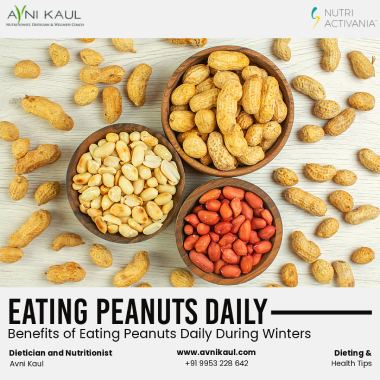
As the winter chill is increasing, there is a simple and delicious snack that can do wonders for your health – peanuts – says Avni Kaul. These tiny powerhouses are not just a tasty treat but also come packed with a myriad of health benefits, making them an ideal addition to your daily winter diet.
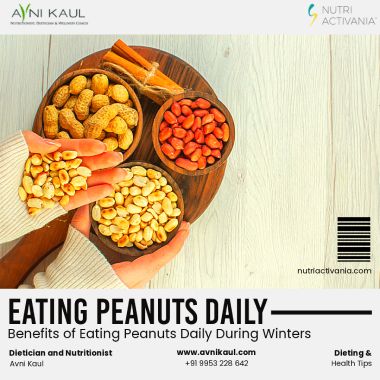
What are some of the health benefits of having peanuts daily?
Leading Dietician Avni Kaul shares some of the prominent health benefits that you may avail of by eating peanuts regularly. These are:
Rich in Nutrients: Peanuts are a nutritional powerhouse, containing many essential nutrients. They are an excellent source of protein, healthy fats, fiber, and various vitamins and minerals. Consuming peanuts daily can contribute significantly to meeting your nutritional needs, especially during the winter months when maintaining a balanced diet is crucial for overall well-being.
Energy Boost for Winter Activities: Winter often brings with it a drop in energy levels, and the need for a quick and effective energy boost becomes essential. Peanuts, being a great source of healthy fats and protein, can provide sustained energy, making them an ideal snack before engaging in winter activities like skiing, snowboarding, or even a simple stroll in the cold.
Immunity Support: The winter season is notorious for flu and cold outbreaks. Peanuts contain immune-boosting nutrients such as vitamin E, magnesium, and antioxidants. Regular consumption can fortify your immune system, helping you ward off common winter illnesses and ensuring you stay active and healthy throughout the season.
Heart Health: Heart health is a top priority, especially during winter when the cardiovascular system may face additional stress. Peanuts contain monounsaturated and polyunsaturated fats, which are known to promote heart health by reducing bad cholesterol levels. The presence of magnesium in peanuts also contributes to maintaining a healthy heart rhythm.
Maintaining Body Warmth: Peanuts are a calorically dense food, and consuming them can help generate heat within the body. This can be particularly beneficial during the colder months, aiding in maintaining body temperature and preventing excessive heat loss. Including peanuts to your winter diet can be a tasty way to stay warm from inside out.
Regulating Blood Sugar Levels: The fiber content in peanuts plays a crucial role in regulating blood sugar levels. This is especially important during winter when the temptation to indulge in sugary treats is high. A stable blood sugar level not only supports overall health but also helps in managing weight, another common concern during the colder months.
Skin Nourishment: Winter often brings dry and dull skin. Peanuts are a rich source of vitamin E, an antioxidant that promotes skin health by preventing oxidative damage. Including peanuts to your daily diet can contribute to a natural glow and help combat the harsh effects of winter on your skin.
Mood Booster: Peanuts contain amino acids that play a role in the production of serotonin, a neurotransmitter associated with mood regulation. During the winter blues, a handful of peanuts can act as a natural mood enhancer, lifting your spirits and combating seasonal affective disorder (SAD).
Making peanuts a part of your daily winter diet can offer a multitude of health benefits. From supporting your immune system to providing sustained energy and promoting heart health, these humble legumes are a convenient and delicious way to stay healthy and happy during the chilly winter months. So, grab a handful of peanuts and savor the goodness they bring to your overall well-being.
** If you have any health issues, it is important to consult a qualified Dietician before including peanuts as part of your daily meals.