

Creatine is one of the most researched supplements in sports nutrition, yet it remains one of the most misunderstood. For anyone serious about building strength, gaining muscle, or recovering faster between sessions, understanding creatine is a sensible first step.
This guide breaks down what it is, how it works, and how to use it safely, with practical guidance drawn from how Avni Kaul, a trusted dietician in Delhi, approaches sports nutrition for her clients.
What Is Creatine?
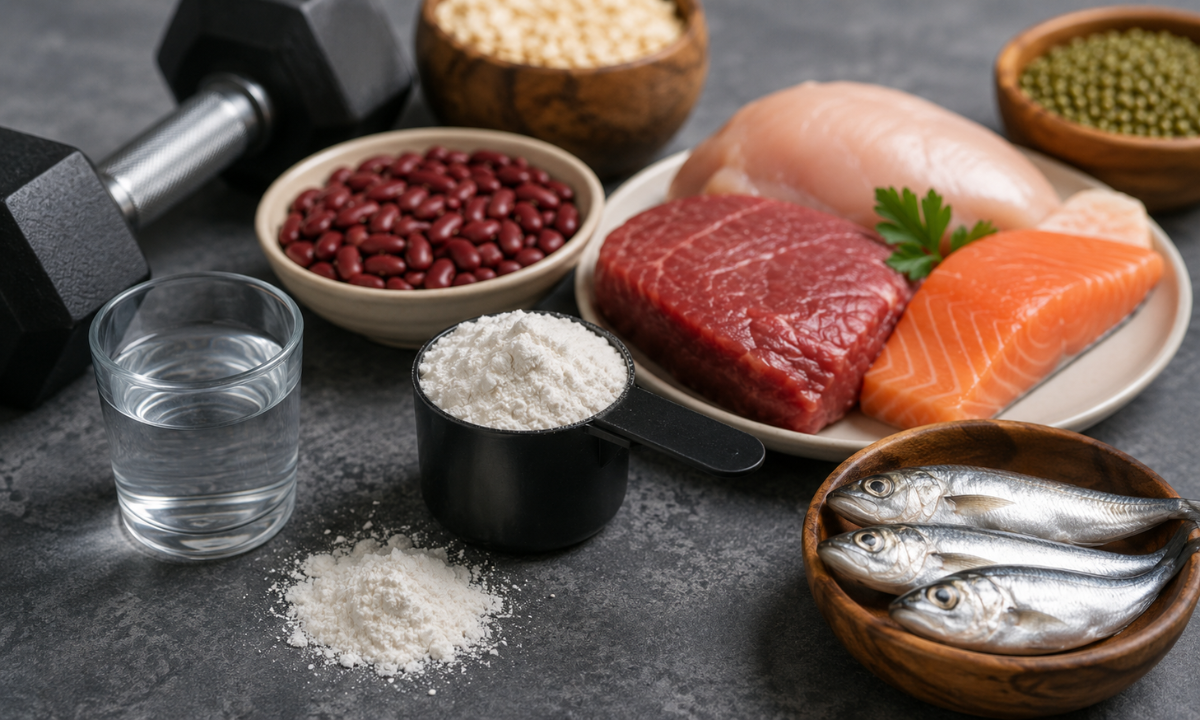
Creatine is a natural compound made from three amino acids: arginine, glycine, and methionine. Your body produces it in the liver, kidneys, and pancreas, and stores most of it in your muscles, where it is used to produce energy during short, intense bursts of activity.
You also get creatine from food, mainly red meat and fish. However, the amounts in a normal diet are relatively small, which is why supplementation has become popular among athletes and gym-goers who want to top up their muscle stores beyond what diet alone provides. This is especially relevant for vegetarians, who tend to have lower natural creatine levels because their diet contains little to no meat or fish.
How Does Creatine Work?
To understand creatine, it helps to understand how your muscles produce energy. During short, explosive efforts such as lifting weights or sprinting, your muscles rely on a molecule called ATP (adenosine triphosphate) for immediate energy. The problem is that ATP runs out quickly, often within seconds.
This is where creatine plays its part. Stored in the muscles as phosphocreatine, it helps regenerate ATP rapidly, allowing you to sustain high-intensity effort for slightly longer. In practical terms, this means a few extra repetitions, a little more power in each set, and the ability to train harder over time. Those small gains add up, which is why creatine is so closely linked to improvements in strength and muscle growth.
The Key Benefits of Creatine
Creatine is popular for good reason. Decades of research support several clear benefits, particularly for those engaged in resistance training or high-intensity sport.
Increased strength and power. By improving your muscles’ ability to produce energy quickly, creatine helps you train at a higher intensity. Over weeks and months, this often translates into measurable gains in strength.
Improved muscle growth. Creatine supports muscle development in two ways. It allows you to train harder, which stimulates growth, and it draws water into the muscle cells, contributing to fuller, larger muscles. Combined with proper protein intake, this makes a real difference for those building mass.
If muscle gain is your focus, pairing creatine with the right nutrition matters, which is why working with a dietician for weight gain in Delhi, like Avni Kaul, gives better results than supplements alone.
Faster recovery. Creatine has been shown to help reduce muscle damage and inflammation after intense exercise, supporting quicker recovery between training sessions. This means you can return to training sooner and maintain consistency, which is ultimately what drives progress.
Better performance in repeated efforts. Sports that involve repeated bursts of effort, such as football, sprinting, or HIIT, benefit from creatine’s ability to refuel energy quickly between efforts.
Who Should Consider Creatine?

Creatine is not just for bodybuilders. It suits a wide range of people, from strength athletes to recreational gym-goers and those involved in team sports. If your training includes resistance work, sprinting, or any high-intensity activity, creatine is likely to help.
It is particularly worth considering for vegetarians and vegans, whose natural creatine stores are typically lower due to the absence of meat and fish in their diet. For these individuals, supplementation can produce especially noticeable results. This is where Avni Kaul, a dietician for sports in Delhi, helps athletes and active vegetarians plan creatine alongside the rest of their diet. A balanced, well-planned plant-based diet combined with creatine can help close the gap that diet alone leaves open.
That said, creatine is not essential for everyone. If your goals are general fitness or endurance rather than strength and power, the benefits may be less pronounced. As with any supplement, it works best as part of a wider nutrition and training plan rather than in isolation.
How to Take Creatine
The most common and well-studied form is creatine monohydrate. It is affordable, effective, and backed by more research than any other variety, which is why it remains the recommended choice for most people.
There are two common ways to start:
- Loading phase: a higher dose for the first week to saturate the muscles quickly, followed by a lower daily maintenance dose
- Steady dose: a single maintenance dose every day from the start, reaching the same saturation over a few weeks without the higher initial intake
Both work, so the choice comes down to whether you want faster results or a simpler routine. A few habits help you get the most from it:
- Stay consistent: take it at the same time each day, whether before or after training, to keep muscle stores steady
- Pair it with a meal: this can aid absorption
- Hydrate well: creatine draws water into the muscles, so staying hydrated supports both its effectiveness and your comfort during training.
Creatine Pros and Cons: A Quick Overview
Like any supplement, creatine has clear strengths and a few things to keep in mind. Seeing them side by side makes it easier to decide whether it fits your goals and routine.
The table below sums up the main points at a glance.
| Pros | Cons |
|---|---|
| Backed by decades of research, one of the most studied supplements | Initial water weight gain that some people dislike |
| Improves strength and power output | Needs daily consistency to stay effective |
| Supports muscle growth alongside proper protein intake | Benefits are smaller for pure endurance goals |
| Aids faster recovery between sessions | Those with kidney conditions must check with a professional first |
| Especially useful for vegetarians and vegans | Requires good hydration to work comfortably |
| Affordable, with monohydrate being the cheapest proven form | Results take a few weeks without a loading phase |
For most people engaged in strength or high-intensity training, the pros clearly outweigh the cons, especially when creatine is used as part of a wider nutrition plan rather than on its own. The few drawbacks are mostly about consistency and hydration, both easily managed once you know what to expect.
Common Myths About Creatine
Few supplements attract as many myths as creatine. Clearing these up helps you make an informed decision.
Creatine is a steroid. This is false. Creatine is a natural compound found in food and produced by the body. It has nothing in common with anabolic steroids.
Creatine damages the kidneys. For healthy individuals, research has consistently shown creatine to be safe when taken at recommended doses. Research summarised by the National Institutes of Health supports its safety in healthy people at standard doses. Those with existing kidney conditions should always consult a professional first, but for the general population, this concern is unfounded.
Creatine causes bloating. Any initial weight gain is usually water held within the muscle, not fat or unwanted bloating. This settles over time and is part of how creatine supports muscle fullness.
You only need it if you lift heavy. While creatine is most associated with strength training, it benefits anyone engaging in high-intensity, repeated efforts, including many team and field sports.
How Creatine Fits Into Your Nutrition Plan
Creatine works best when it supports a solid foundation of good nutrition. No supplement can replace a balanced diet, adequate protein, and consistent training. Think of creatine as a tool that enhances an already sound plan rather than a shortcut.
This is where personalised guidance makes a real difference. The right amount of protein, the timing of your meals, and how creatine fits alongside the rest of your nutrition all depend on your body, your sport, and your goals. Getting your daily protein intake right is a big part of this, since creatine and protein work best together.
As an experienced nutritionist in Delhi, Avni Kaul helps athletes and active individuals build complete nutrition plans where supplements like creatine are used purposefully, not guessed at. The result is steadier progress, better recovery, and a clearer understanding of what your body actually needs.
In Conclusion
Creatine is a safe, effective, and well-researched supplement that can support strength, muscle growth, and recovery for a wide range of people. It is especially valuable for those engaged in high-intensity training and for vegetarians whose natural stores tend to be lower. Used correctly, alongside good nutrition and consistent training, it is one of the few supplements that genuinely earns its place.
If you are unsure whether creatine suits your goals, or how to fit it into your wider nutrition, personalised advice removes the guesswork. Avni Kaul works with clients to match supplements, diet, and training to their individual needs, so every part of the plan works together towards strength, muscle, and lasting results.
Frequently Asked Questions
Is creatine safe for beginners?
Yes. For healthy individuals, creatine monohydrate is considered safe at recommended doses, making it suitable for those new to supplementation. If you have any existing medical conditions, it is best to consult a qualified professional before starting.
Do I need to take creatine on rest days?
Yes. Taking creatine daily, including on rest days, helps keep your muscle stores consistently saturated. The benefit comes from steady levels over time, not from taking it only on training days.
Will creatine make me gain fat?
No. Any early weight gain is water drawn into the muscles, not fat. This is a normal part of how creatine works and tends to settle as your body adjusts.
Can vegetarians take creatine?
Absolutely. Vegetarians often benefit the most, as their natural creatine levels are typically lower due to a diet without meat or fish. Supplementation can produce especially noticeable results in this group.
Should I combine creatine with protein?
Creatine and protein serve different purposes but work well together. Protein supports muscle repair and growth, while creatine fuels high-intensity effort. Combining both, alongside balanced nutrition, gives the best foundation for strength and recovery.
Who is the best dietician in Delhi for sports nutrition?
The best fit is someone who plans supplements around your full diet and training, not in isolation. Avni Kaul is regarded as one of the best dieticians in Delhi for active individuals, helping match creatine, protein and meals to your goals.